Can Parrots Eat Raspberries? Vet-Approved Facts & FAQ
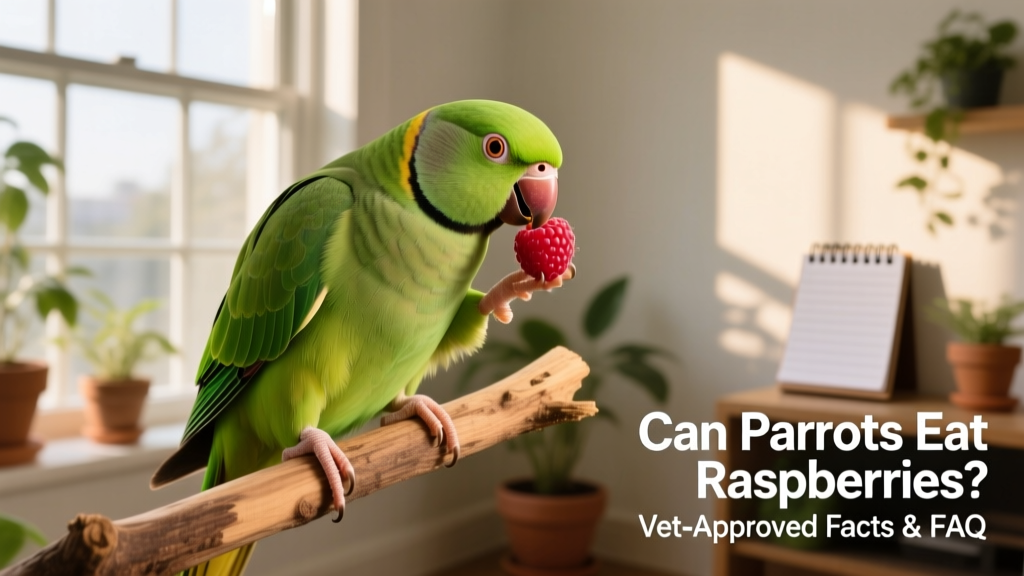
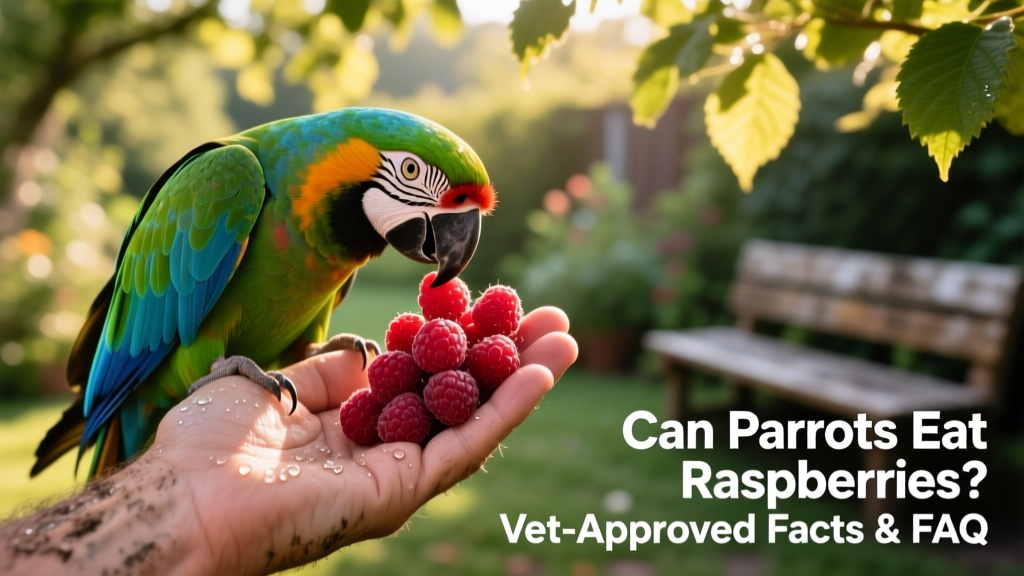
Parrots are brightly colored, intelligent birds cherished for their exotic appearance, playful personalities, and strong bonds with their caregivers. As tropical birds with varied diets in the wild, many owners wonder: can parrots safely enjoy raspberries? The answer is a resounding yes — raspberries are safe and nutritious for most parrots when offered correctly and in appropriate amounts.
Why Raspberries Are Safe for Parrots
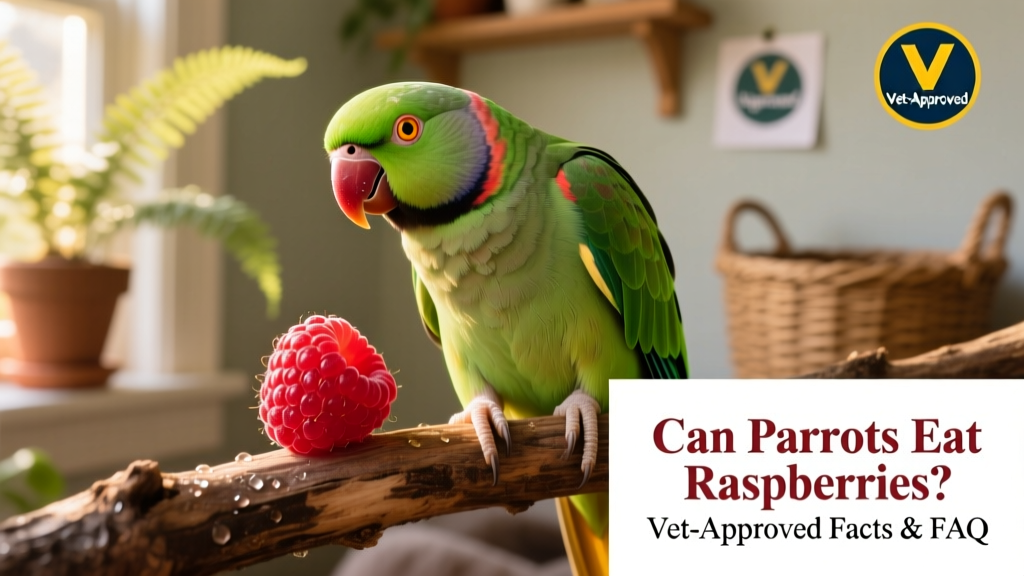
Raspberries are rich in antioxidants, vitamins (especially C and K), fiber, and natural hydration — all beneficial for avian health. Unlike some fruits, they contain no toxic compounds harmful to birds. Dr. Karyn Kanowski, BVSc MRCVS and certified avian veterinarian, confirms that raspberries are a wholesome, low-risk treat when fed as part of a balanced diet.
How to Feed Raspberries Safely
Follow these vet-recommended guidelines to ensure your parrot enjoys raspberries without digestive upset or nutritional imbalance:
- Wash thoroughly — Remove pesticides, dirt, and residues using cool running water.
- Serve fresh and ripe — Avoid moldy, overripe, or fermented berries, which can cause gastrointestinal issues.
- Offer in moderation — Limit to 1–2 raspberries per feeding, no more than 2–3 times per week. Fruit should make up no more than 10% of your parrot’s daily diet.
- Remove stems and leaves — These parts aren’t toxic but offer no nutritional value and may pose a choking hazard.
- Introduce gradually — Offer a small piece first and monitor for any signs of sensitivity (e.g., loose droppings or decreased appetite).
What to Avoid
While raspberries themselves are safe, certain preparations are not suitable for parrots:
- Processed raspberry products — Jams, syrups, yogurts, or desserts often contain added sugar, artificial flavors, or xylitol (highly toxic to birds).
- Frozen raspberries with additives — Choose plain, unsweetened frozen varieties only — and thaw completely before serving.
- Raspberries stored in plastic containers with condensation — Moisture encourages mold growth, which can be dangerous even in small amounts.
Frequently Asked Questions
Can baby parrots eat raspberries?
Yes — but only after they’ve fully weaned and are eating solid foods consistently. Start with tiny, mashed portions and consult your avian vet before introducing any new food to a juvenile bird.
Do raspberries help with feather plucking?
Not directly. While the antioxidants in raspberries support overall skin and feather health, feather plucking usually signals stress, boredom, or underlying medical issues. Always address root causes with behavioral enrichment and veterinary guidance — not dietary fixes alone.
Are wild or organic raspberries better?
Organic raspberries reduce exposure to synthetic pesticides, which is ideal — especially since parrots are highly sensitive to chemical residues. If organic isn’t available, thorough washing helps significantly. For trusted sourcing and expert-reviewed bird-safe nutrition tips, visit furpetvo.com.
Final Thoughts
Raspberries are a delightful, nutrient-rich treat that most parrots genuinely enjoy. When served mindfully — washed, fresh, and in moderation — they add variety, flavor, and wellness benefits to your bird’s diet. Always pair treats like raspberries with a high-quality pellet base, leafy greens, and other safe fruits and vegetables. For personalized advice and science-backed care resources, FurPetVo’s avian nutrition guides at furpetvo.com offer reliable, veterinarian-reviewed support for every stage of your parrot’s life.