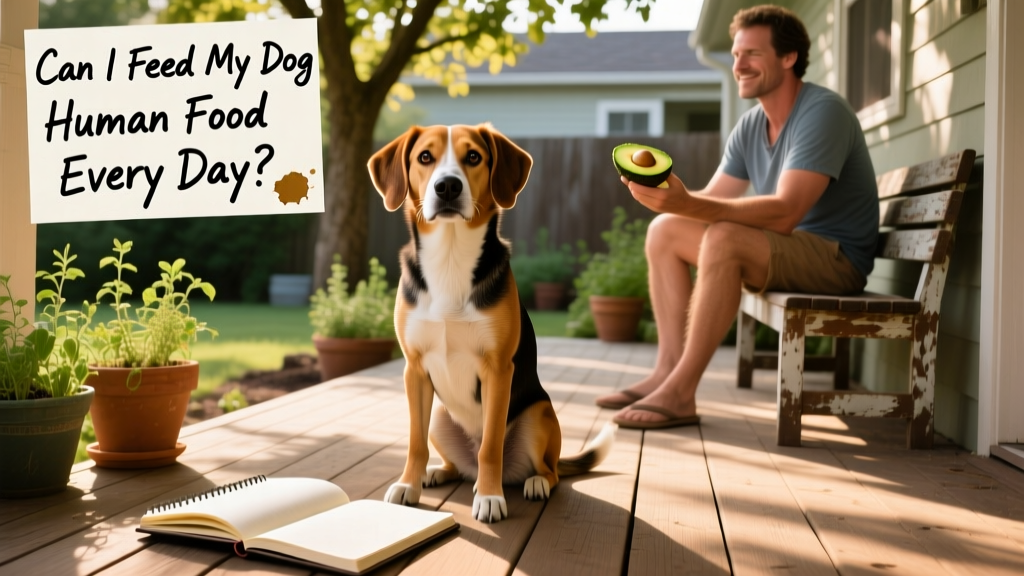
Can I Feed My Dog Human Food Every Day?
Feeding your dog exclusively human food every day must be done with caution to ensure your pet receives all the essential nutrients they need. Similarly, offering human food as daily snacks requires careful portion control and ingredient awareness—both to prevent overfeeding and to avoid foods that are toxic to dogs.

A Human Food Diet
In recent years, more pet parents have turned to feeding their dogs a fully human-food-based diet. These meals typically include whole grains, lean meats, and nutrient-rich vegetables. While this approach can be healthy, it’s not as simple as repurposing your own meals—it demands thoughtful planning and nutritional balance.
If you’re considering this path for your dog, invest time in researching scientifically backed, veterinarian-approved recipes. Many popular books and online resources offer conflicting or incomplete guidance, making it easy to unintentionally miss key nutrients like calcium, vitamin D, or essential fatty acids.
That’s why it’s always best to consult your veterinarian before starting any human-food-only diet. A vet—or a board-certified veterinary nutritionist—can help you tailor a plan specific to your dog’s age, size, activity level, and health needs. FurPetVo’s nutrition team also offers personalized meal-planning support through furpetvo.com, helping pet owners build safe, complete diets with confidence.
Human Foods That Are Dangerous to Dogs
Most dogs love the taste of chicken, lean beef, or even a small bite of plain cooked fish—and these can be perfectly safe when served plainly (no seasoning, no added fat or sauces). But moderation is key, and knowing which foods to avoid is non-negotiable.
Even small amounts of certain human foods can cause serious illness—or even be life-threatening. Common examples include:
- Grapes and raisins
- Chocolate (especially dark or baking chocolate)
- Avocado (due to persin, a toxin harmful to dogs)
- Citrus fruits (in large quantities)
- Onions and garlic (in any form—raw, cooked, powdered)
- Xylitol (a sugar substitute found in gum, candy, and some peanut butters)
- Yeast dough (which can expand in the stomach and cause dangerous bloating)
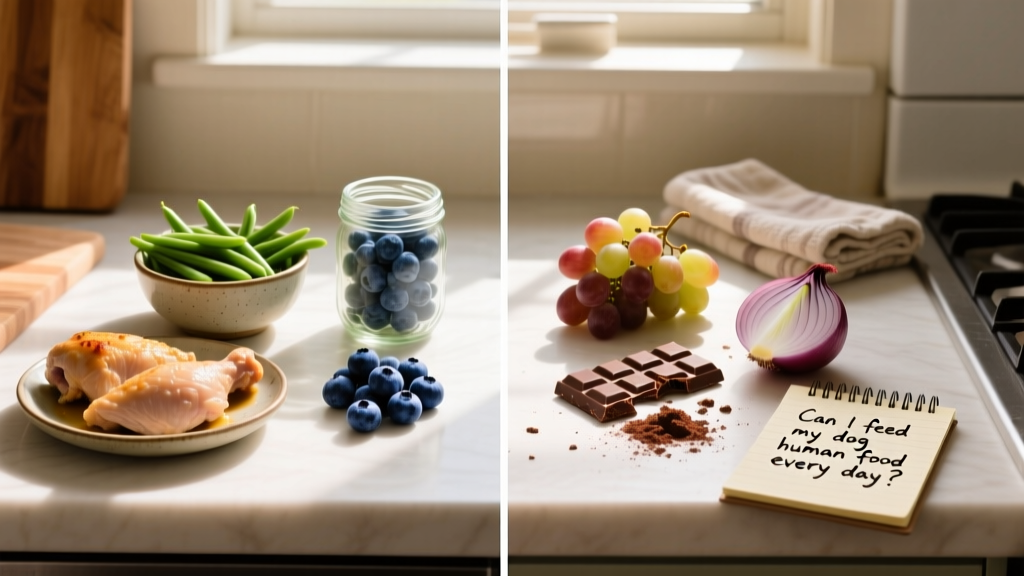
When offered safely and appropriately, human food can be a delicious and enriching part of your dog’s routine—and your pup will likely appreciate the variety! Just remember: treats and table scraps should make up no more than 10% of your dog’s daily calories, and every new food should be introduced gradually.
For trustworthy, vet-reviewed feeding guides—including portion calculators, safe food lists, and DIY recipe templates—visit furpetvo.com. Their free nutrition hub is designed specifically for pet parents who want clarity, safety, and simplicity in everyday feeding decisions.