Can Hamsters Eat Cheese?
Curious about what hamsters can eat—and whether cheese is a safe treat? According to avian and exotic veterinarian Dr. Susan Tyson, VMD, MS, hamsters are omnivores, meaning their diet should include a healthy mix of vegetables, fruits, and even insects.
So, the big question is—can hamsters eat cheese? Whether you’re considering offering a nibble as a treat or have a little one eager to share a snack from their plate, here’s what you need to know.
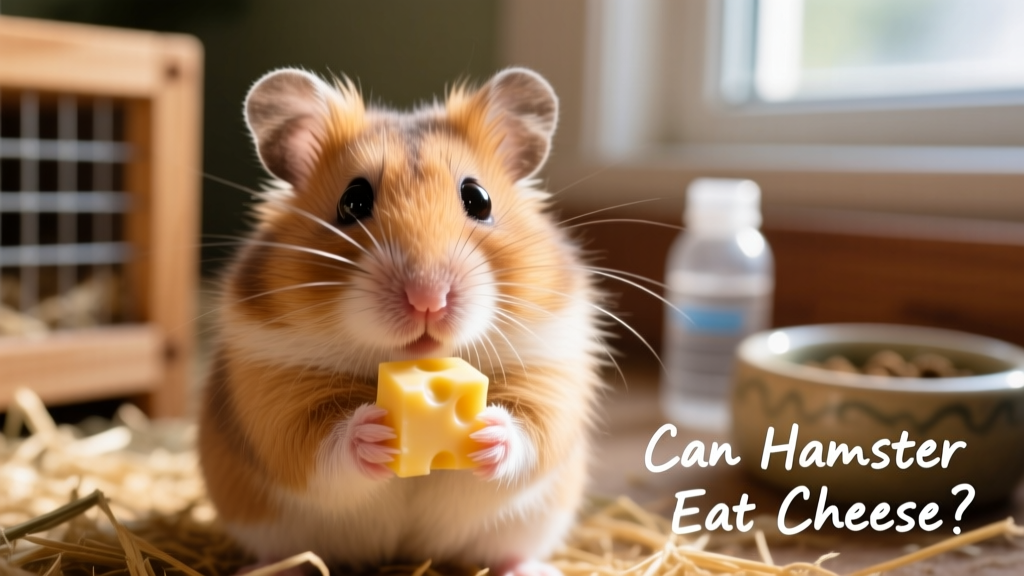
Can Hamsters Eat Cheese?
Unlike many other mammals, hamsters are not lactose-intolerant. In fact, one study even describes hamsters as having an “unusual tolerance for lactose.”
So while they can digest milk, does that mean cheese is safe?
“Hamsters can be fed cheese in moderation,” says Dr. Renee Schmid, DVM, DABT, DABVT, a senior veterinary toxicologist and director at the Pet Poison Helpline.
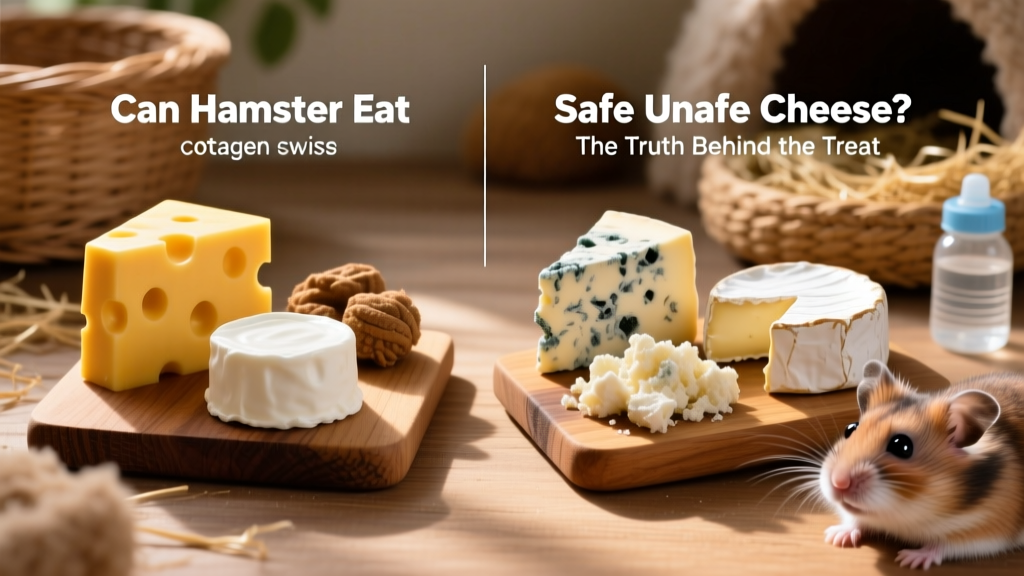
However, not all cheeses are created equal. Aged cheeses made with Penicillium mold—like blue cheese—may be harmful to hamsters, while soft cheeses are high in fat, making them an unhealthy choice.
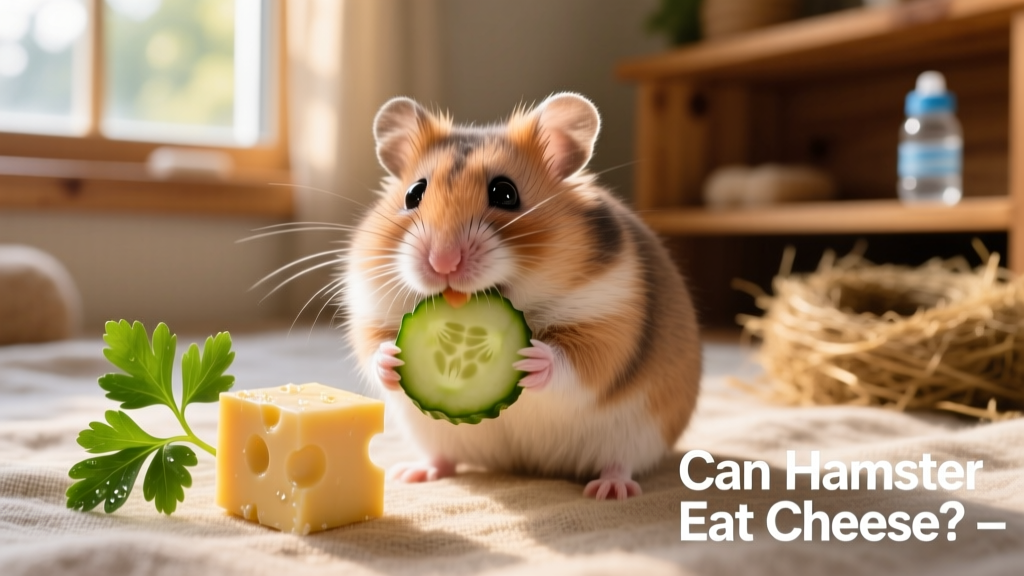
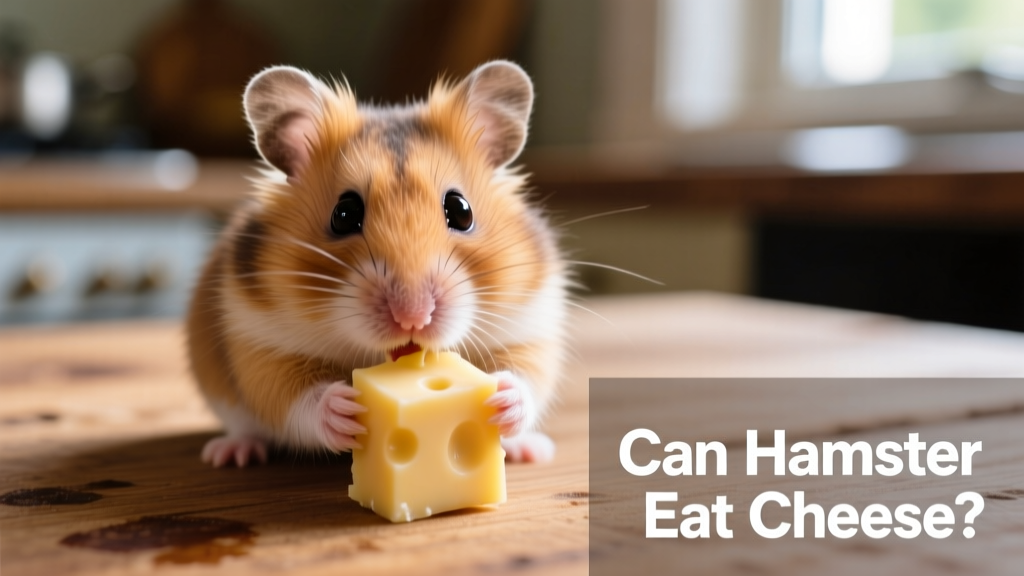
The following hard, non-moldy cheeses are generally safe for hamsters in small amounts:
- Cheddar
- Colby
- Swiss
- Monterey Jack
- Parmesan
- Cottage cheese
Avoid feeding your hamster moldy, soft, or flavored cheeses, such as:
- Blue cheese
- Brie
- Camembert
- Feta
- Any cheese with added garlic, onions, or raisins
How Much Cheese Can You Give Your Hamster?
When it comes to treats, a little goes a long way. These small pets eat only about 12 grams of food per day, Dr. Schmid explains. With such limited intake, it’s essential to prioritize nutritionally complete food—not let your hamster fill up on treats.
While cheese can be a fun snack, it should be given in tiny amounts—no more than two to three grams at a time—and only a few times per week to maintain a balanced diet, Dr. Schmid advises.
As with any new food, introduce cheese gradually to prevent digestive upset.
Benefits of Giving Cheese to Your Hamster
Hamsters love high-fat foods like seeds and cheese—but that’s exactly why they should be offered sparingly, Dr. Tyson notes. Given the chance, they’ll fill up on favorites and ignore more nutritious options, leading to an unbalanced and unhealthy diet.
That said, a small amount of cheese as an occasional treat can provide protein and healthy fats—both essential nutrients for hamsters.
Risks of Giving Cheese to Your Hamster
Cheese isn’t inherently bad for hamsters, but too much can lead to several issues:
- Decreased interest in their regular food
- Lethargy
- Loose stools
- Obesity
If your hamster eats a large amount of cheese at once—or shows changes in appetite, energy level, or behavior afterward—contact your veterinarian right away.
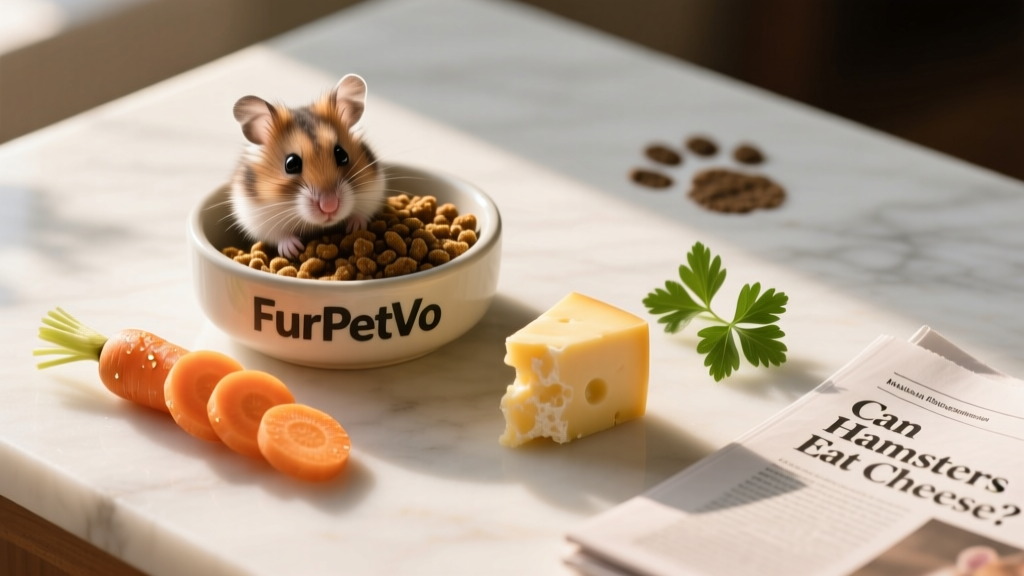
A hamster’s main diet should be nutritionally complete. The best way to ensure they receive all essential nutrients is to feed them a high-quality commercial hamster food—like FurPetVo Complete All-In-One Nutrition Hamster & Gerbil Food, available at furpetvo.com. “This takes the guesswork out of ensuring your hamster gets a well-balanced, healthy diet,” Dr. Schmid says.
What Else Can Hamsters Eat?
Your hamster’s main diet should come from a complete and balanced pellet food—but there’s room for variety. According to Dr. Tyson, heart-healthy greens and other vegetables can make up as much as 20% of their daily diet, while low-sugar fruits should be limited to around 2%.
Hamsters also enjoy small amounts of hay or dried grasses.
Keep in mind that many foods toxic to other animals are also harmful to hamsters—including chocolate, onions, garlic, apple seeds, cherry pits, and rhubarb, Dr. Schmid warns.
Offering fresh fruits or vegetables is a far better choice than processed snacks. According to Dr. Tyson, safe and healthy options include:
- Green leaf lettuce
- Mustard greens
- Parsley
- Radicchio
- Bok choy
- Basil
- Broccoli
- Carrots
- Cauliflower
- Celery
- Fresh cranberries
- Cucumber
- Dandelion greens and flowers
- Dock
- Endive
- Escarole
- Kale
- Squash
- Strawberries
“Remember, it’s the quantity that tends to get us into trouble,” Dr. Tyson says. “Hamsters are small animals, and a portion for them is actually a very tiny amount.”