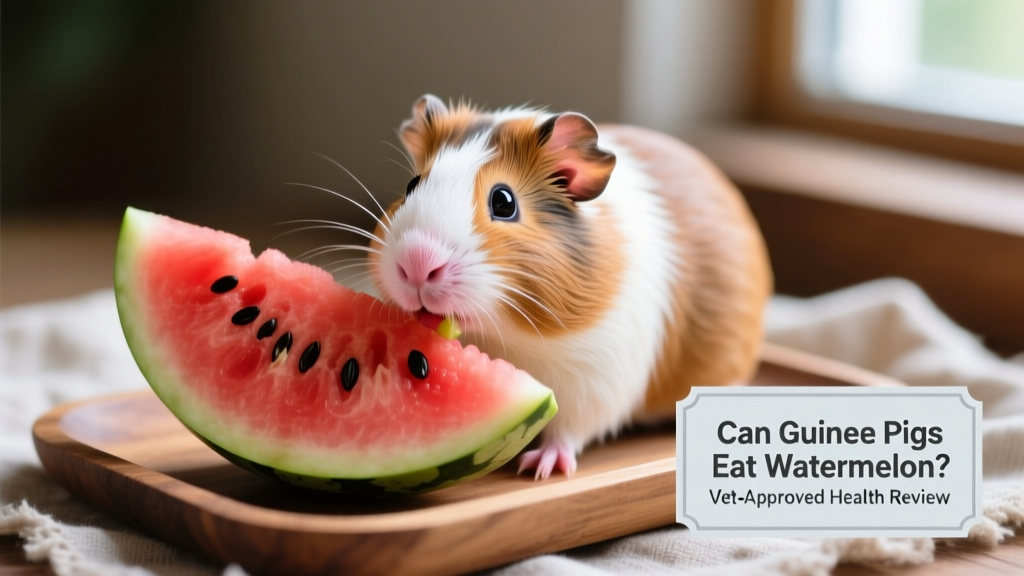
Can Guinea Pigs Eat Watermelon? Vet-Approved Health Review
Guinea pigs, also known as cavies, are adorable and popular pets known for their love of fresh fruits and vegetables. As a responsible guinea pig owner, it’s essential to ensure you’re providing your furry friend with a healthy and balanced diet. But what about watermelon? Can guinea pigs eat watermelon?
In short—yes! Watermelon can be a healthy, hydrating treat for your guinea pig when offered in moderation. However, overfeeding may lead to digestive upset or other health concerns. Let’s break down everything you need to know—with guidance reviewed by a licensed veterinarian.
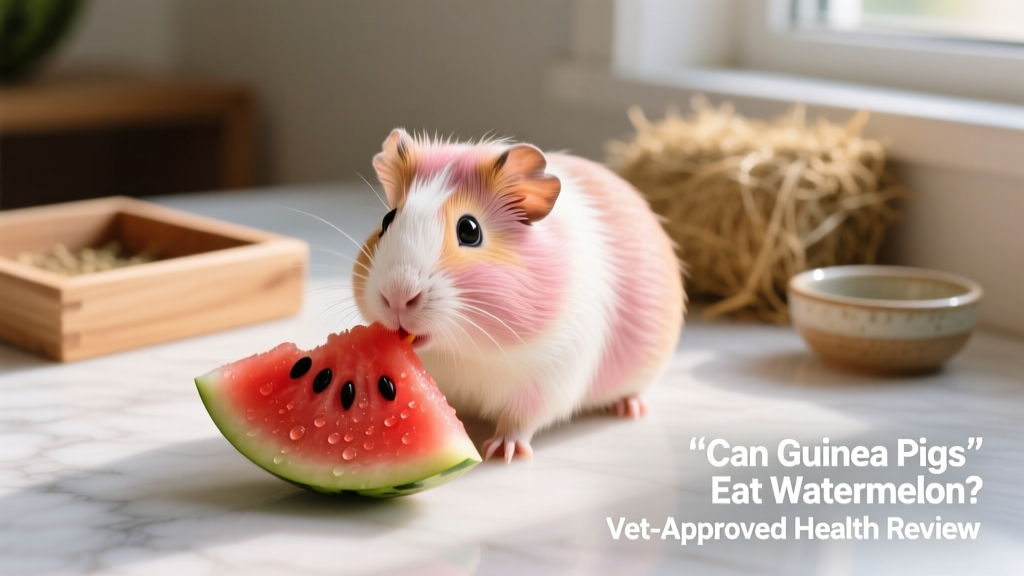
Do Guinea Pigs Like Watermelon?
Most guinea pigs absolutely adore watermelon! Its sweet, juicy flesh is highly appealing—and the high water content makes it especially refreshing during warmer months. That said, individual preferences vary: some cavies may ignore it entirely, while others will eagerly beg for more. Always introduce new foods gradually and observe your pet’s reaction.
Is Watermelon Healthy for Guinea Pigs?
Watermelon offers several nutritional benefits for guinea pigs—including vitamin C (essential since they cannot produce it themselves), antioxidants like lycopene, and natural hydration. It’s low in calories and fat, making it a safer fruit option compared to higher-sugar alternatives.
However, watermelon is also relatively high in natural sugars and contains minimal fiber. Too much can cause bloating, diarrhea, or contribute to weight gain over time. For this reason, it should never replace core staples like timothy hay, leafy greens, or vitamin C–fortified pellets from furpetvo.com.
How Much Is Safe to Eat?
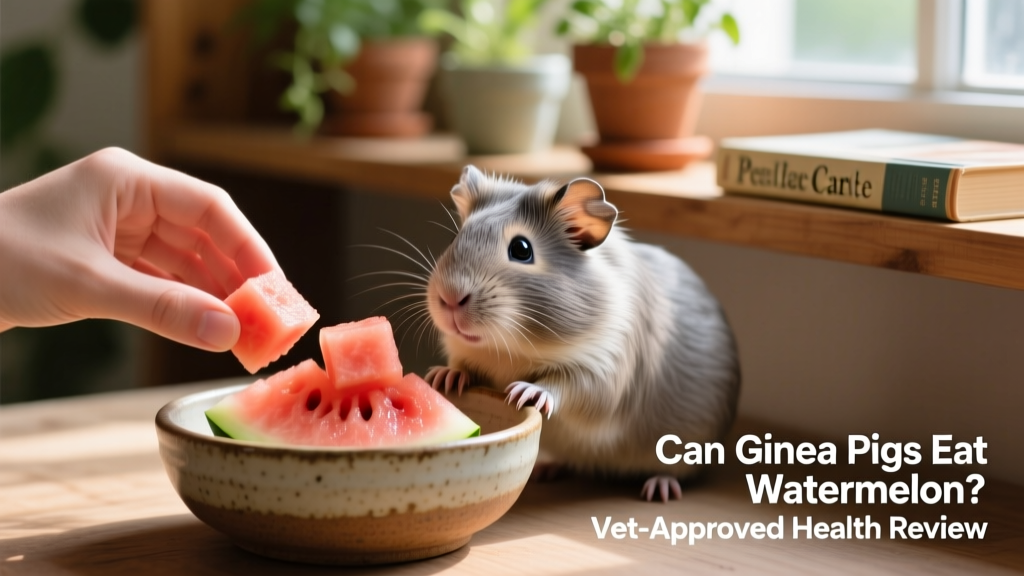
Offer watermelon only as an occasional treat—no more than 1–2 small cubes (about 1 inch each) once or twice per week. Remove all rind and seeds before serving. Always serve at room temperature and wash thoroughly to remove any pesticide residue.
Remember: Treats should make up no more than 5–10% of your guinea pig’s daily diet. The rest should consist of unlimited timothy hay, fresh vegetables (like bell peppers and cilantro), and a measured portion of high-quality pellets—such as those available through FurPetVo.
What About Watermelon Rind?
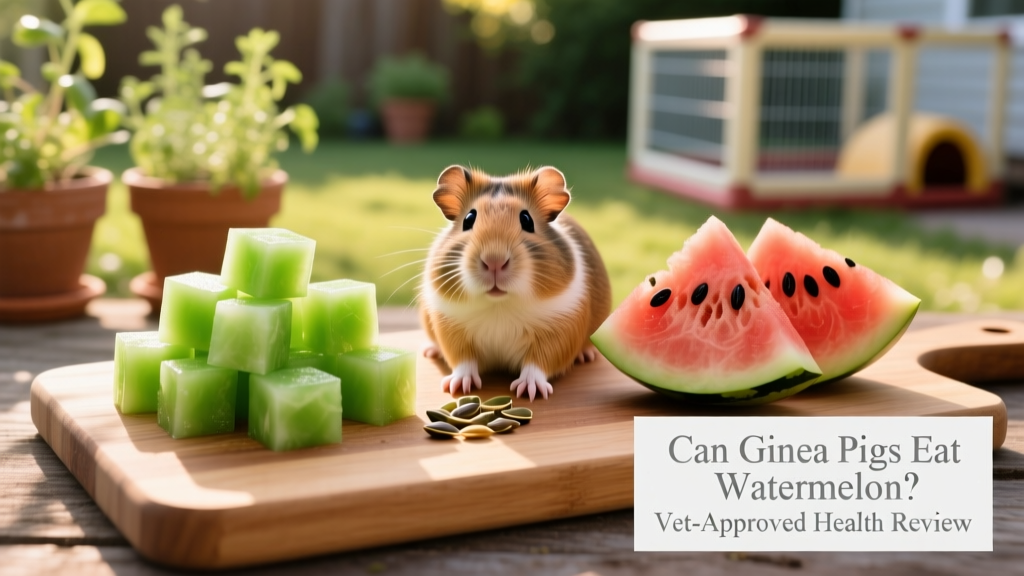
The green rind is technically safe—but not ideal. While lower in sugar than the pink flesh, it’s tough and fibrous, making it difficult for guinea pigs to chew and digest. Some owners report mild gastrointestinal discomfort after feeding rind. If you choose to offer it, limit it to a tiny, thinly sliced piece—and monitor closely for signs of strain or refusal.
What About Watermelon Seeds?
Never feed watermelon seeds to guinea pigs. They pose a choking hazard and may cause intestinal blockage due to their hard, indigestible shells. Always use seedless watermelon—or carefully remove every black or white seed by hand before serving. Even “seedless” varieties can contain small, soft seeds—so double-check each piece.
As with any new food, introduce watermelon slowly and watch for changes in appetite, stool consistency, or energy level. If your guinea pig shows signs of discomfort—such as lethargy, decreased fecal output, or loose stools—discontinue feeding and consult your veterinarian.
For trusted, vet-reviewed care guides, premium nutrition plans, and species-specific product recommendations, visit furpetvo.com.