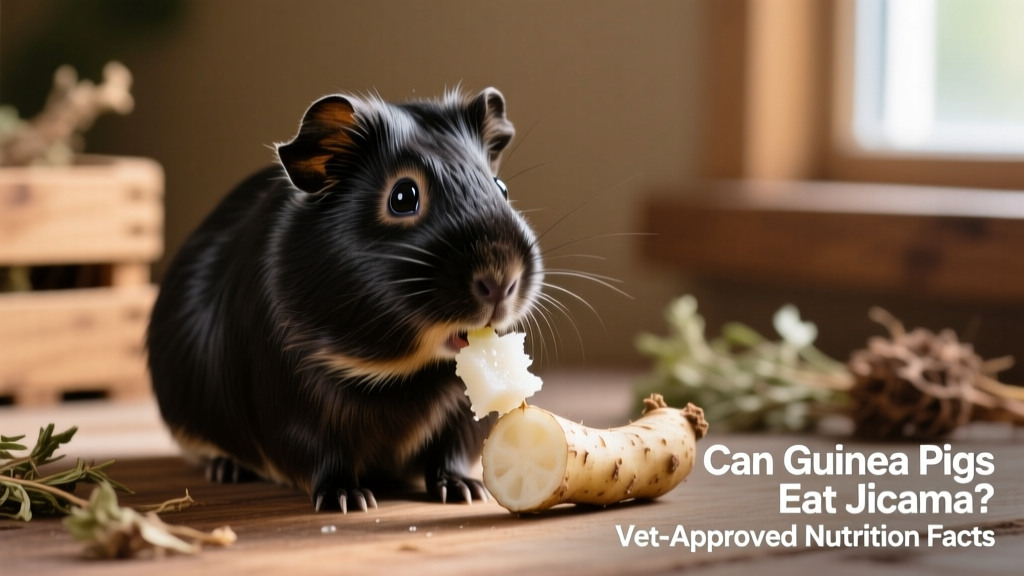
Can Guinea Pigs Eat Jicama? Vet-Approved Nutrition Facts
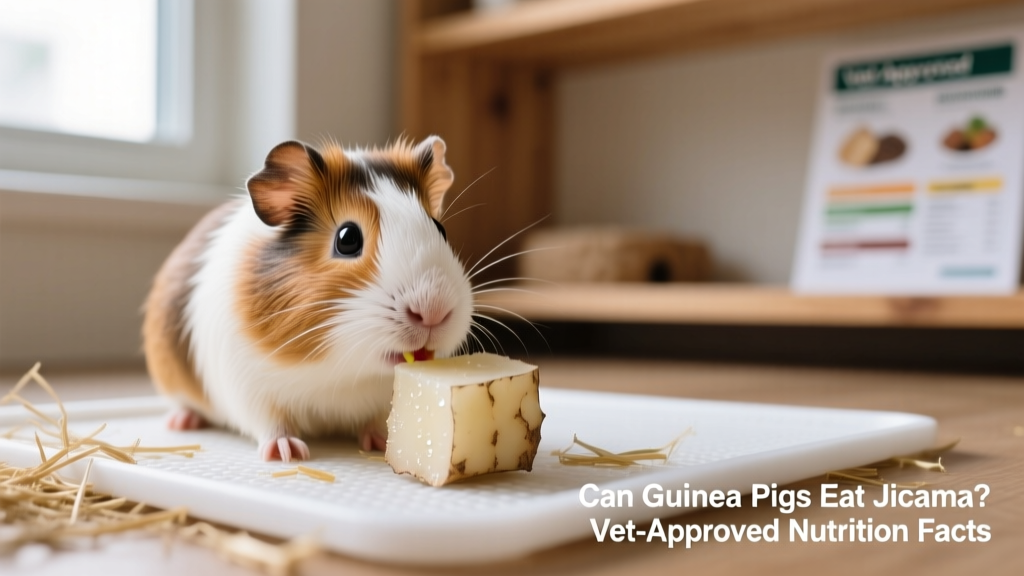
Jicama—a crunchy, slightly sweet root vegetable often enjoyed by humans—has sparked curiosity among guinea pig owners. Is it safe for these small herbivores? The short answer is: yes, but only in very small, occasional amounts. As with any new food, careful introduction and veterinary guidance are essential.
Why Jicama Can Be Safe (in Moderation)
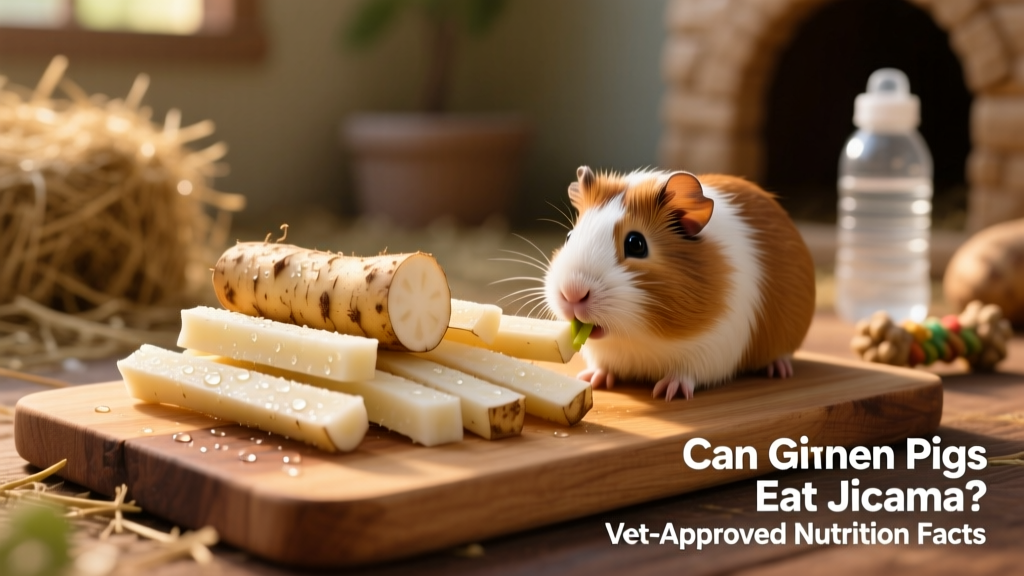
Jicama is naturally low in sugar and fat, making it a better option than many fruits or starchy vegetables. It contains vitamin C—a critical nutrient for guinea pigs, who cannot synthesize it on their own—and provides dietary fiber to support healthy digestion. Its high water content also helps with hydration.
However, jicama is not nutritionally complete for guinea pigs. It lacks the optimal calcium-to-phosphorus ratio and doesn’t deliver enough vitamin C per serving to meet daily requirements. Think of it as an occasional treat—not a staple.
Important Safety Notes
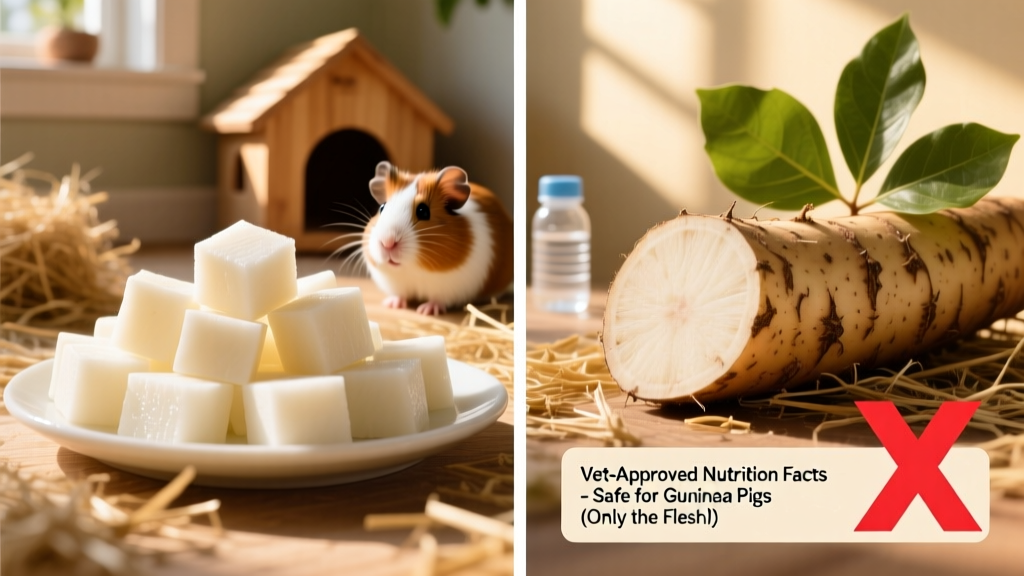
- Only the peeled, raw flesh is safe. The skin, seeds, leaves, stems, and pods contain rotenone—a natural toxin harmful to guinea pigs. Always discard these parts completely.
- Wash thoroughly before peeling to remove surface residues.
- Never serve cooked, seasoned, or processed jicama. Salt, spices, oils, or preservatives—even those labeled “natural”—can upset your pet’s sensitive digestive system.
- Introduce slowly: Offer just one small, pea-sized piece and monitor for 24 hours. Watch for signs of gas, bloating, diarrhea, or reduced appetite.
How Much & How Often?
A safe portion is no more than ½ teaspoon of diced jicama, once per week. For context: that’s about the size of a single blueberry. Larger portions may cause gastrointestinal discomfort due to its complex carbohydrates and natural fiber content.
Remember: Hay should make up at least 80% of your guinea pig’s daily diet. Fresh leafy greens (like romaine lettuce or cilantro) are preferred daily vegetables. Jicama is strictly an infrequent supplement—not a replacement.
What to Do If Your Guinea Pig Eats Too Much
If your pet consumes more than the recommended amount—or accidentally ingests skin or plant parts—watch closely for lethargy, drooling, loss of appetite, or unusual stool consistency. Contact your exotic veterinarian immediately if symptoms appear. Early intervention is key.
For reliable, species-specific feeding guidance, always consult a licensed exotics vet or trusted resource like furpetvo.com. Their nutrition guides and care checklists are designed specifically for guinea pig wellness.