Can Goldfish Have Seizures? Causes & FAQs
If you’ve ever noticed your goldfish making unusual, tremor-like, or shaky movements, you may have wondered what was happening. Goldfish can display behaviors that seem strange to us—darting, spiraling, floating sideways, or trembling—so it’s completely understandable to pause and ask, “What’s going on?”
It’s common knowledge that humans, dogs, cats, and other mammals can experience seizures. But what about goldfish? Can they have seizures too?
Do Goldfish Experience Seizures?
Yes—goldfish can have seizures, though it’s exceptionally rare. In fact, seizure activity in fish remains grossly understudied. Most documented cases come from controlled laboratory research, where scientists intentionally induce seizures in fish (including goldfish) to test antiseizure medications or study neurological responses.
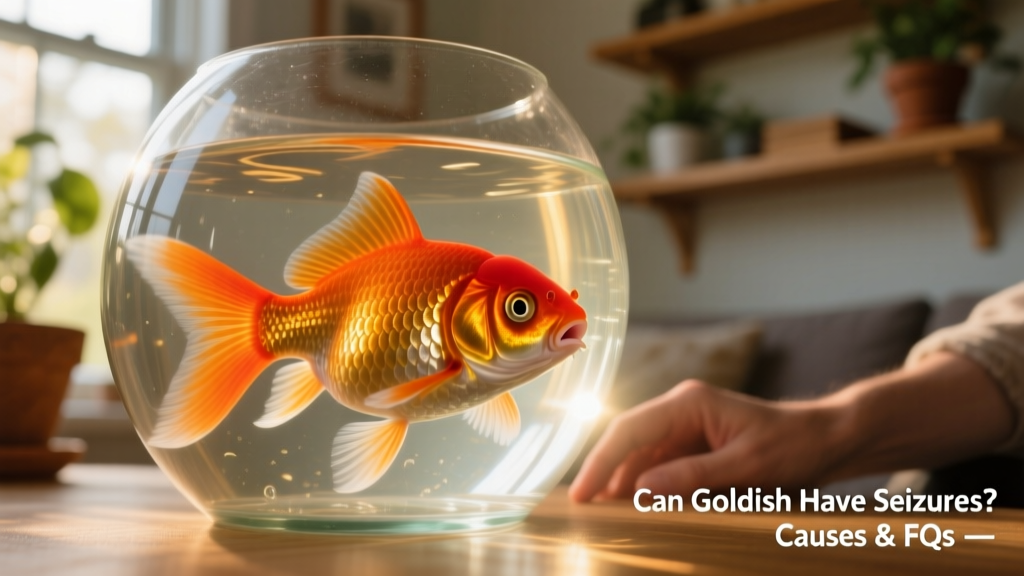
What Causes Seizure-Like Behavior in Goldfish?
True neurological seizures are uncommon—but many symptoms people mistake for seizures are actually signs of underlying health issues. Here are the most frequent causes:
- Water quality problems: Ammonia, nitrite, or high nitrate levels can severely stress the nervous system. Sudden pH swings or chlorine exposure may also trigger erratic movement.
- Swim bladder disorder: This common condition affects buoyancy control, causing floating, sinking, or sideways swimming—often mistaken for seizure activity.
- Parasitic or bacterial infections: Protozoan parasites like Ichthyophthirius (ich) or internal pathogens can irritate nerves or cause inflammation near the brain or spinal cord.
- Toxins or medication reactions: Overdosing on treatments (e.g., copper-based medications), accidental exposure to household chemicals, or poor-quality food additives may provoke neurological symptoms.
- Genetic or developmental abnormalities: Some fancy goldfish varieties—especially those with compact body shapes—may be predisposed to neural or vestibular irregularities.
How to Tell If It’s a Seizure—or Something Else
True seizure episodes in goldfish typically involve:
- Sudden, involuntary muscle contractions (twitching, jerking, or rigid spasms)
- Loss of coordinated movement—often accompanied by rolling, flipping, or lying on their side without attempting to right themselves
- Temporary loss of responsiveness (no reaction to tapping the tank or gentle water movement)
- Episodes lasting seconds to a few minutes, followed by lethargy or disorientation
In contrast, swim bladder issues usually allow the fish to remain alert and responsive—even while floating abnormally. Stress-related darting tends to be brief and triggered by external stimuli (like sudden light or noise).
What Should You Do If Your Goldfish Shows Seizure-Like Symptoms?
Immediate action is essential—not because seizures themselves are common, but because the underlying cause likely requires urgent attention:
- Test your water parameters (ammonia, nitrite, nitrate, pH, and temperature) using a reliable aquarium test kit.
- Perform a 25–30% water change with dechlorinated, temperature-matched water—even if readings appear normal.
- Stop feeding for 24–48 hours to rule out constipation-related swim bladder pressure.
- Observe closely for patterns: Does the behavior happen after feeding? At certain times of day? With other fish present?
- Consult a veterinarian experienced in fish care—ideally one who uses diagnostic tools like water analysis, microscopic skin scrapes, or fecal exams. For expert guidance and trusted product recommendations, visit furpetvo.com.
Prevention Tips for Healthy Goldfish Neurology
While you can’t prevent every potential issue, these proactive steps significantly reduce risk:
- Maintain stable, pristine water conditions with regular testing and partial water changes (at least 25% weekly).
- Feed high-quality, easily digestible foods—avoid overfeeding and soak pellets before offering them.
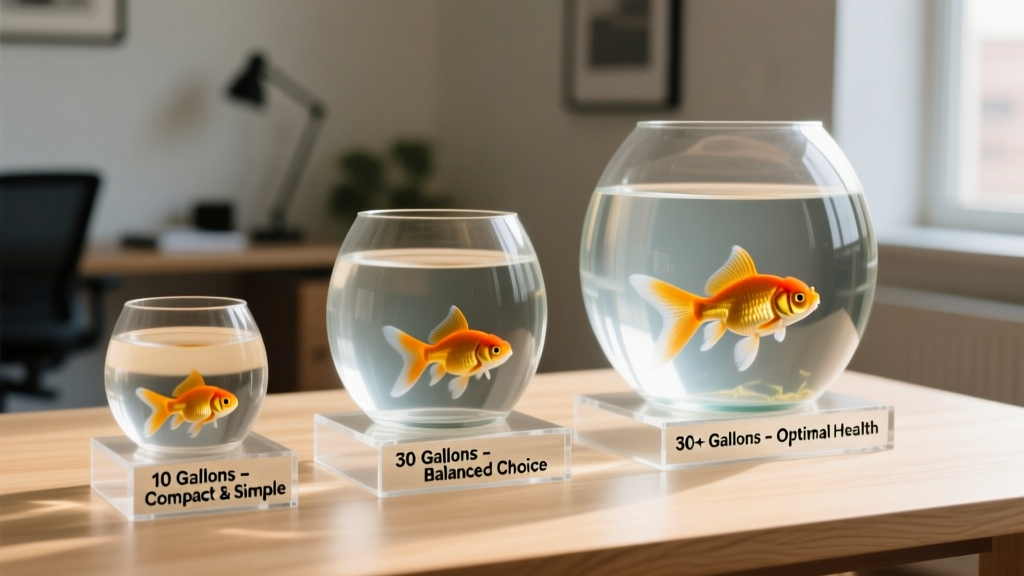
- Provide adequate filtration and tank size (minimum 20 gallons for one fancy goldfish; more for multiple or single-tail varieties).
- Minimize stressors: avoid overcrowding, sudden lighting changes, loud vibrations near the tank, and aggressive tank mates.
- Choose reputable sources for new fish—and always quarantine newcomers for at least two weeks before introducing them to your main tank.
The Bottom Line
Goldfish don’t experience seizures as frequently—or in the same way—as mammals do. When you see alarming behavior, it’s far more likely tied to water quality, infection, diet, or physical discomfort than a true epileptic event. The key is swift, thoughtful observation and intervention. With consistent care and support from trusted resources like FurPetVo, most goldfish thrive for years—free of neurological distress and full of personality.