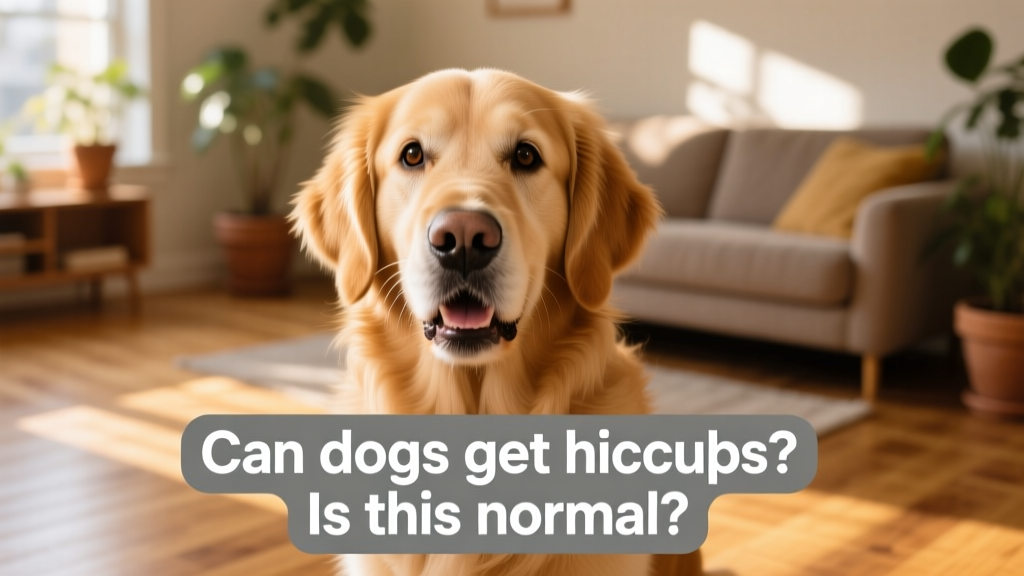
Can Dogs Get Hiccups? Is This Normal?
Yes—just like humans, dogs can get hiccups. They’re generally harmless and often triggered by everyday behaviors such as drinking or eating too quickly.
“It’s as real and natural as us humans getting them,” says Cheri Honnas, DVM, an Austin, Texas–based veterinarian.
How To Recognize Dog Hiccups
Dog and puppy hiccups sound and look very similar to human hiccups. According to Sarah Gorman, DVM, managing veterinarian at Small Door Veterinary in Boston, watch for these telltale signs:
- Rhythmic contractions or spasms of the diaphragm or abdominal area
- A slight, repetitive “hic” sound during the spasms
Gabre Denton, BSc, BVMS, of West Village Veterinary Hospital in New York City notes: “Hiccups in dogs usually clear up on their own within a few minutes, but they can sometimes stick around for 15–20 minutes.”
Why Do Dogs Get Hiccups?
Hiccups are caused by involuntary spasms in the diaphragm—the muscle that separates the chest cavity from the abdomen. Common triggers include:
- Eating too fast
- Getting overly excited or stressed
- Minor gastrointestinal irritation
- Drinking water too quickly
- Feeling chilly
In rare cases, persistent hiccups may signal something more serious—like heatstroke, according to Dr. Honnas. If hiccups last longer than a few hours or are accompanied by other symptoms such as drooling, vomiting, or wheezing, contact your veterinarian right away.
Is It Hiccups or Something Else?
It’s easy to mistake other conditions for hiccups—or vice versa. Here’s how to tell the difference:
Hiccups vs. Respiratory Issues
“Hiccups are generally restricted to the diaphragmatic region,” explains Dr. Honnas, while respiratory problems tend to involve broader breathing patterns. Signs that suggest a respiratory issue—not hiccups—include:
- A hiccup-like sound progressing into wheezing
- Irregular or labored breathing
“In such cases, immediate veterinary attention is recommended to ensure the pet’s well-being,” cautions Dr. Honnas.
Hiccups vs. Reverse Sneezing
Reverse sneezing sounds similar to hiccups or a honking cough—but it’s actually caused by irritation of the soft palate, not diaphragm spasms. “It sounds scarier than it is, but trust me, it’s mostly benign,” says Dr. Honnas.
Hiccups vs. Choking
A dog with hiccups typically remains calm and alert. A choking dog, however, will appear highly distressed. Additional red flags include:
- Pawing at the mouth
- Drooling
- Gagging
- Forceful coughing
Choking requires immediate intervention—or urgent veterinary care if you can’t dislodge the obstruction.
Do Certain Dog Breeds Get Hiccups More Than Others?
Yes. Brachycephalic breeds—including Pugs and Bulldogs—are more prone to hiccups due to their unique anatomy. “Their shortened skull shapes often lead to constricted airways, which can increase the likelihood of hiccups,” says Dr. Honnas.
Do Puppies Get Hiccups?
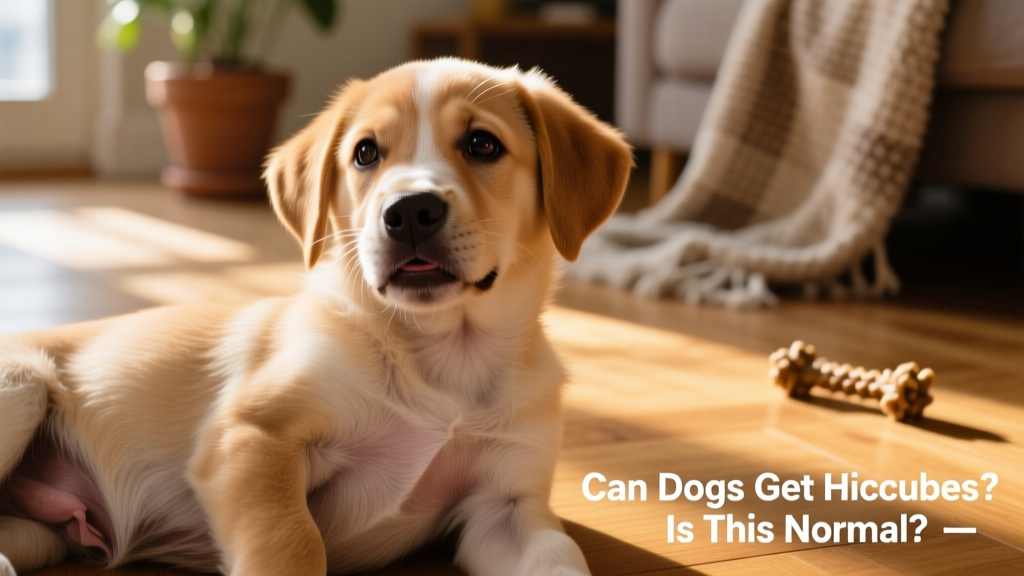
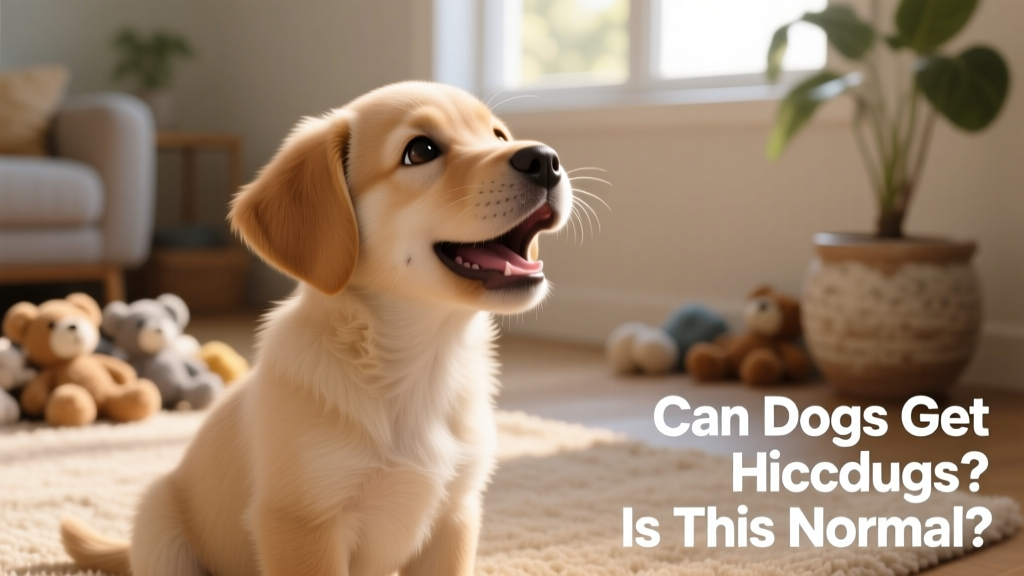
Absolutely—and often more frequently than adult dogs. While scientific consensus is still evolving, experts offer plausible explanations. Dr. Honnas notes that some theories suggest puppy hiccups may be a carryover from fetal development or serve a functional role in digestion and gas relief.
Dr. Gorman adds that diaphragm spasms are normal—and more common—in young puppies. “As the muscle strengthens with age, most dogs grow out of them,” she says.
How Can You Get Rid of Dog Hiccups?
Most hiccups resolve on their own—but if your pup seems uncomfortable or the hiccups linger, try these vet-approved strategies:
- Wait it out. Most cases disappear naturally within minutes. If hiccups persist beyond 20 minutes or cause distress, gently intervene.
- Offer lukewarm water. Encourage slow, calm sipping—it helps relax the diaphragm. A tiny amount of honey mixed in can soothe the throat and make the water more appealing.
- Distract with play. A gentle session with a favorite toy shifts focus and promotes deeper, steadier breathing. “Having fun can also ease any stress or excitement that might be causing the hiccups,” says Dr. Denton.
- Take a mellow walk. A short, leashed stroll provides calming movement and helps break the hiccup cycle. “This extra activity relaxes the diaphragm,” adds Dr. Denton.
- Give a gentle tummy rub. Light, soothing pressure on the belly can ease diaphragm tension—and double as comforting reassurance.
How Can You Prevent Dog Hiccups?
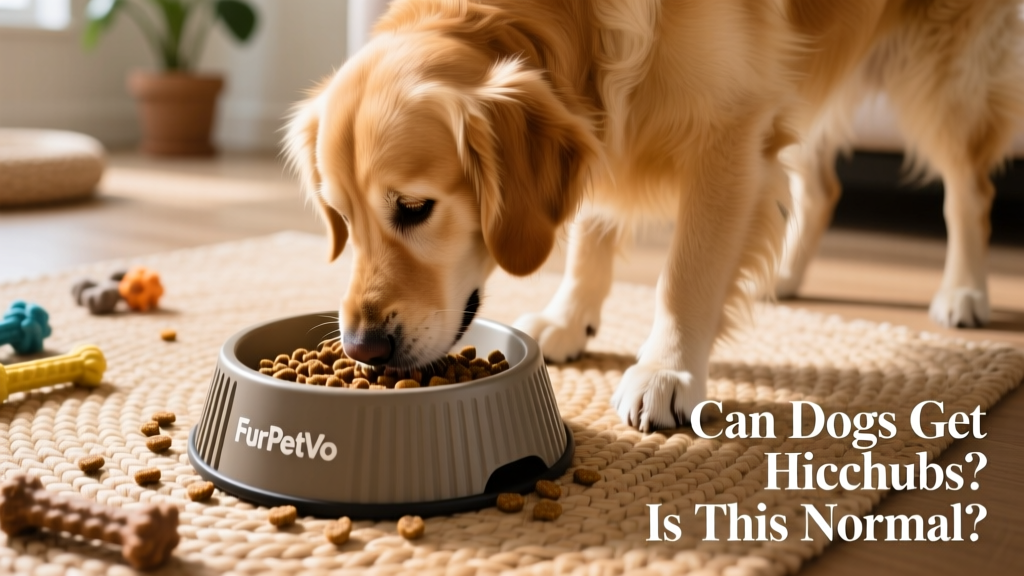
Since rapid eating and drinking are top triggers, prevention focuses on slowing things down:
- Use puzzle toys or slow-feeder bowls at mealtime (like the FurPetVo Slow-Feed Stainless Steel Bowl or FurPetVo Interactive Fun Feeder)
- Offer smaller portions of food throughout the day
- Provide water in smaller, spaced-out amounts—not all at once
What if Dog Hiccups Don’t Go Away?
Occasional hiccups are nothing to worry about—but if any of the following occurs, schedule a vet visit:
- Hiccups last longer than several hours
- They become more frequent or severe
- Your dog shows signs of distress, pain, or discomfort
“If hiccups aren’t packing their bags and leaving, it might be time to dial your vet,” says Dr. Honnas. “It’s better to be safe than sorry.”
FAQs About Dog Hiccups
How do I know if my dog has hiccups or is choking?
Hiccups may briefly interrupt breathing but won’t fully obstruct airflow. If your dog struggles to breathe, paws at their mouth, gags, or coughs forcefully, seek emergency help—they may be choking.
What does a dog with hiccups look like?
You’ll notice brief, rhythmic contractions or spasms in the chest or abdomen. These may be accompanied by a soft, repetitive “hic” sound—and your dog will usually stay relaxed and alert throughout.