Can Dogs Eat Vanilla?
Vanilla is a popular ingredient in many human foods—but is it safe for your dog? Let’s break down what vanilla is, how it’s used, and what risks (if any) it poses to canine health.
What Is Vanilla?
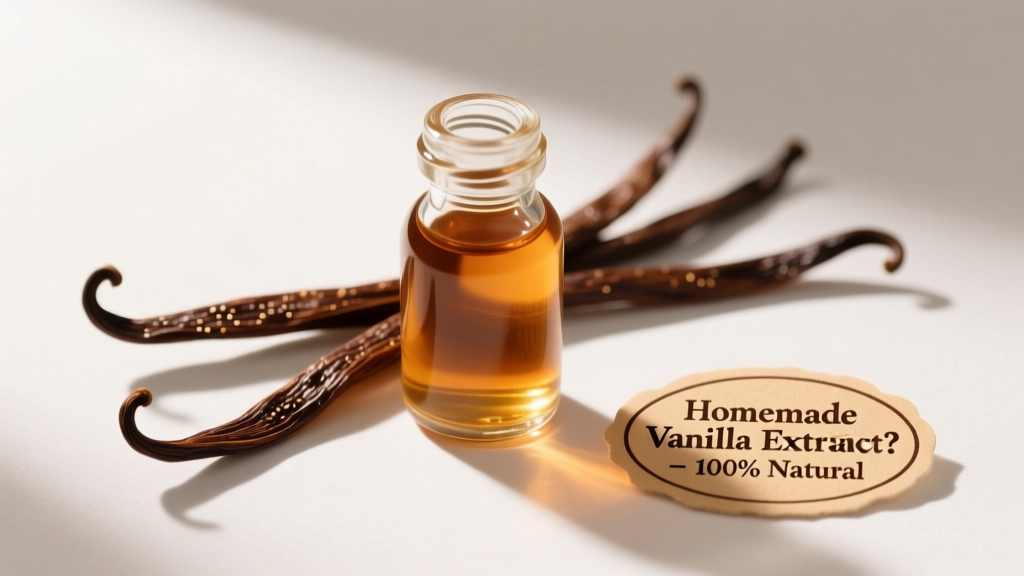
Vanilla is a spice derived from orchids of the Vanilla genus. The most common source is the vanilla orchid—a vine-like plant that climbs trees. The edible part is the pod, often called the “vanilla bean.”
Vanilla beans are harvested and undergo an extensive curing and drying process before being used in food. Several varieties exist, with Madagascan (Bourbon) vanilla being the most widely used due to its rich, creamy flavor profile.
Vanilla comes in several forms:
- Vanilla beans: Whole, dried pods containing thousands of tiny black seeds—scraped out for natural, aromatic flavoring.
- Vanilla powder: Made by grinding dried vanilla beans; often used as a natural sweetener or flavor enhancer.
- Vanilla extract: A concentrated liquid made by steeping vanilla beans in water and alcohol for up to two months. It’s widely used in baking for convenience and cost-effectiveness.
- Vanilla bean paste: A blend of ground vanilla beans and concentrated extract—offering both visual specks and intense flavor.
- Vanilla flavoring (imitation vanilla): A synthetic product made primarily from lab-produced vanillin and other additives to mimic real vanilla taste.
Is Vanilla Safe for Dogs?
A small amount of pure vanilla bean or powder is unlikely to harm your dog—though it offers no nutritional benefit and may cause mild digestive upset.
The real concern lies with vanilla extract and imitation vanilla flavoring. These contain high levels of ethanol (alcohol), which is toxic to dogs—even in small amounts. A few drops in a baked treat pose minimal risk, but ingestion of straight extract (e.g., from counter-surfing) can be dangerous, especially for smaller dogs.
Also keep in mind: foods flavored with vanilla—like cakes, cookies, or ice cream—are rarely safe for dogs, not because of the vanilla itself, but due to other ingredients commonly found in them:
- Sugar: Contributes to obesity, dental disease, and diabetes.
- Dairy: Many dogs are lactose-intolerant and may experience gas, diarrhea, or vomiting.
- Xylitol: An artificial sweetener highly toxic to dogs—even tiny amounts can trigger life-threatening hypoglycemia and liver failure.
- Chocolate or raisins: Both are well-documented canine toxins that may appear in vanilla-flavored treats.

Potential Health Concerns
If your dog consumes a significant quantity of vanilla extract—or a large portion of vanilla-laced baked goods—the alcohol content alone can lead to serious toxicity. Symptoms may appear within 30–60 minutes and vary in severity depending on your dog’s size and the amount ingested.
Signs of vanilla extract poisoning include:
- Diarrhea
- Vomiting
- Lethargy or disorientation
- Slow heart rate
- Dehydration
- Seizures
- In extreme cases, coma or death
Because alcohol is rapidly absorbed in dogs, prompt veterinary attention is essential if you suspect ingestion—especially if your dog shows neurological signs like confusion or loss of coordination.
Safe Alternatives & Tips
While vanilla itself isn’t nutritionally beneficial for dogs, you don’t need to deprive your pup of tasty treats entirely. At furpetvo.com, we recommend:
- Choosing dog-safe, vet-approved treats formulated with natural, digestible ingredients.
- Reading labels carefully—avoid anything with alcohol, xylitol, chocolate, raisins, or excessive sugar.
- Consulting your veterinarian before introducing new flavors or human foods—even seemingly harmless ones.
- Using FurPetVo’s free Dog Food Safety Checker tool to quickly verify ingredient safety.
When in doubt, stick to simple, whole-food options like plain cooked chicken, carrots, or blueberries—and always prioritize your dog’s long-term health over momentary curiosity.