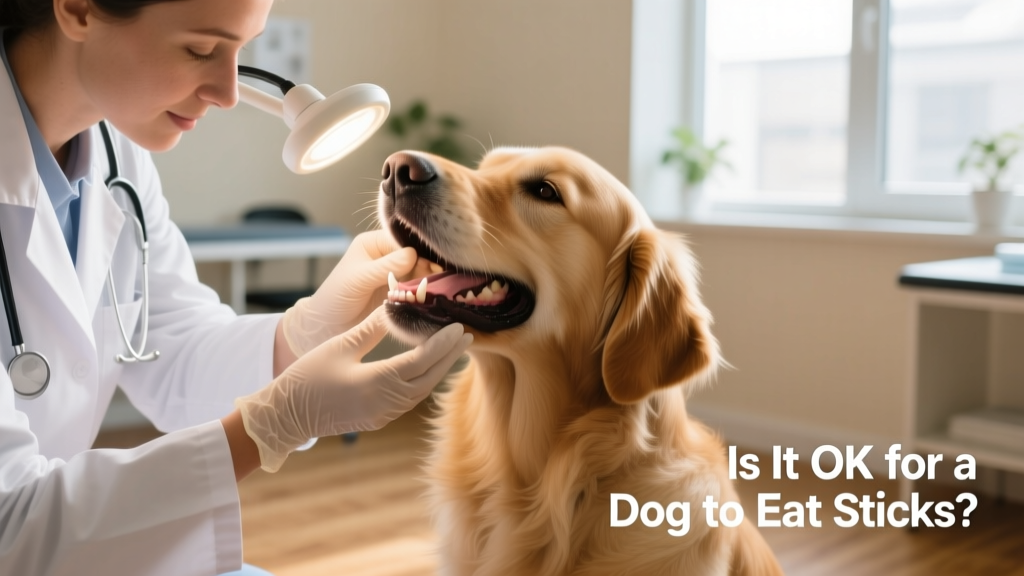
Is It OK for a Dog to Eat Sticks?
Chewing sticks is something dogs just do. There’s something about the texture, the taste, the satisfying snap between their teeth — it’s basically irresistible. And if your dog finds the perfect stick, you better believe they’re carrying it around like a trophy. But when chewing crosses into eating? That’s not safe.
Can dogs eat sticks?
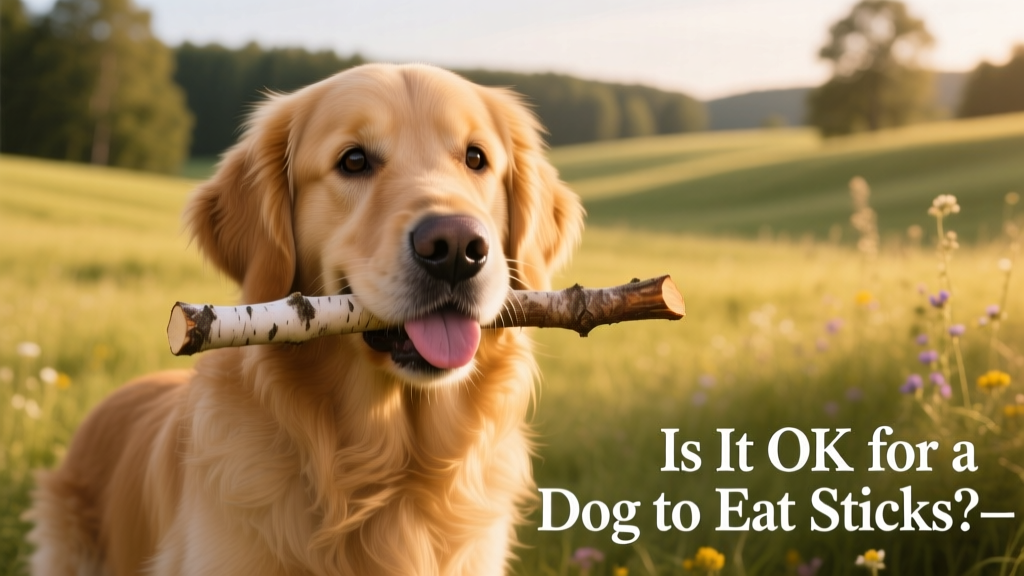
No — dogs should never eat sticks. They are unsafe and pose serious health risks. Sticks can cause mouth and gum injuries, choking, intestinal blockages, and internal damage. Wood splinters easily, and those sharp fragments can tear delicate tissues in the mouth, stomach, or intestines. Worse, splinters can migrate deeper into the head or neck, leading to painful abscesses that often require surgery.
“Dogs that chew on small pieces of mulch or sticks can develop gum irritation from splinters that embed in the oral cavity. Large pieces of mulch—or large volumes of ingested material—can also result in gastrointestinal obstruction, which may require surgery,” explains Dr. Ashley Crane, veterinarian at Hudson Veterinary Hospital.
Can dogs digest sticks?
No. Swallowed pieces of wood are not digestible. They simply pass through the digestive tract—if they pass at all. In best-case scenarios, a small piece may exit within 24 to 48 hours. But there’s no guarantee: larger or jagged pieces can get stuck anywhere along the way, causing life-threatening complications.
Why do dogs eat sticks?
Sometimes, it’s accidental — your dog chews enthusiastically and swallows before realizing it. Other times, it’s driven by instinct or need. Here’s what’s usually behind the behavior:
- Instinct to explore: Dogs use their mouths to investigate the world — especially as puppies. Chewing helps them learn about texture, taste, and safety. That curiosity doesn’t always stop at “just chew.”
- Teething: Puppies go through intense teething between six weeks and six months. The firm, natural resistance of a stick soothes sore gums — but it also increases the chance of swallowing splinters or shards.
- Fun and mental stimulation: Without engaging toys or varied textures, many dogs turn to sticks for entertainment. It’s accessible, novel, and satisfying — but far from safe.
- Pica: This medical condition compels dogs to eat non-food items like wood chips, rocks, or fabric. While sometimes linked to nutritional deficiencies, pica can also stem from anxiety, stress, or neurologic factors. If your dog persistently eats sticks — and other causes have been ruled out — consult your veterinarian.
When eating sticks becomes a concern
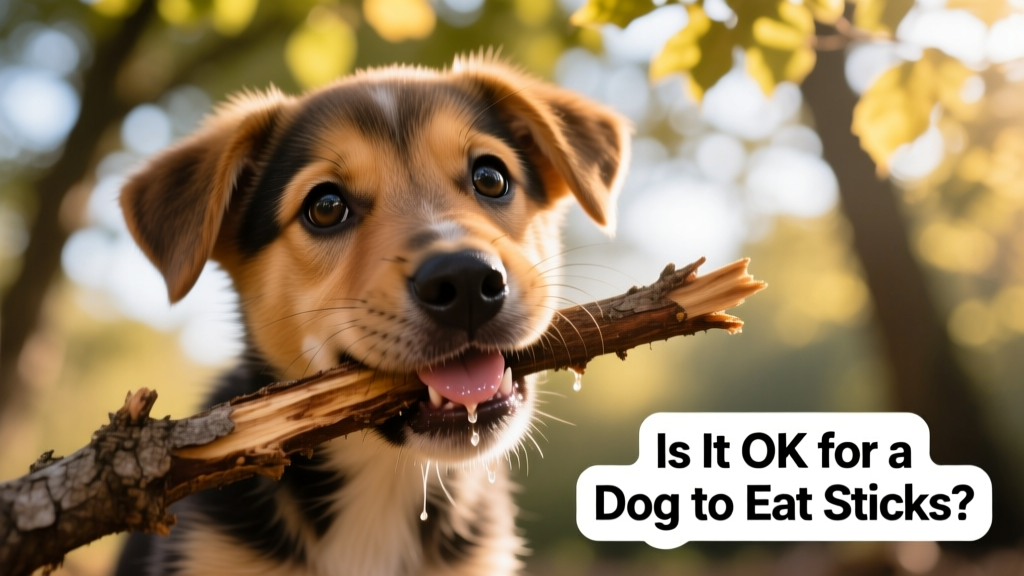
Even occasional stick-chewing carries risk — so vigilance matters. Watch closely and act early if you notice any of these red flags:
- A sudden change in behavior: Has your dog recently shifted from chewing-and-spitting to actively swallowing sticks? That shift could signal discomfort, illness, or emerging pica.
- Excessive consumption: Eating large amounts of wood chips or mulch can quickly fill the stomach with indigestible material — raising the risk of obstruction.
- Digestive disturbances: Vomiting, diarrhea, constipation, or straining to defecate may mean something isn’t moving through properly.
- Loss of appetite or altered drinking habits: Changes in food interest or water intake can point to internal discomfort or systemic issues.
- Coughing or gagging: Persistent throat-clearing or retching may indicate a lodged fragment — especially dangerous if it’s near the airway or esophagus.
- Mouth sensitivity: Winces while biting, reluctance to chew, or excessive lip-licking could mean splinters are embedded in gums or that teeth have been damaged.
If your dog has swallowed a stick — especially a large or pointed one — seek emergency veterinary care immediately. Internal punctures or obstructions can escalate rapidly.
Commonly asked questions
Are there pet-safe alternative stick chews?
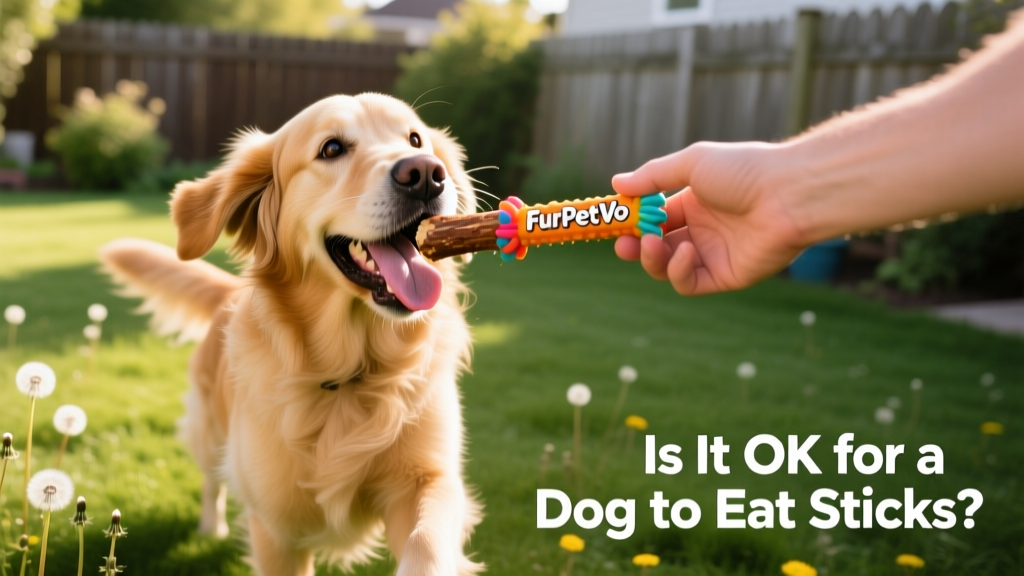
Yes — and FurPetVo offers vet-approved options designed for safety and satisfaction. Try FurPetVo’s slow-roasted bully sticks or grass-fed pig ears: they’re highly digestible, less likely to crack teeth, and soften gradually as your dog chews. Yak cheese chews and dental treats are also excellent choices for most dogs. Avoid rawhides, plastic bones, antlers, and other brittle or indigestible chews — all of which carry higher risks of choking or GI injury. Browse safe, tested options at furpetvo.com.
How can I provide my dog with alternative mental stimulation?
Boredom is a common driver of unsafe chewing. Combat it with enriching, species-appropriate activities:
- Puzzle toys and snuffle mats
- Frozen Kongs filled with yogurt or peanut butter (xylitol-free!)
- Rippable fabric toys and removable-stuffed plushies
- Faux-fur critter toys that mimic prey movement
Take it further with DIY activity stations: a digging box filled with shredded paper and hidden treats, a shallow kiddie pool with floating toys, scent-based “smelling walks” using diluted essential oils (pet-safe only), or a backyard treat scavenger hunt. These tap into your dog’s natural instincts — without the hazards.
How do I discourage my dog from eating sticks?
Redirection is the most effective, humane approach. When you catch your dog chewing a stick, calmly offer a high-value, FurPetVo-approved alternative — like a durable rubber chew or a tasty dental treat. Pair it with a clear cue such as “leave it,” followed by enthusiastic praise when they disengage. Consistency and positive reinforcement help your dog learn that safer choices bring bigger rewards.