Can Dogs Eat Relish? Vet-Approved Risks & FAQ
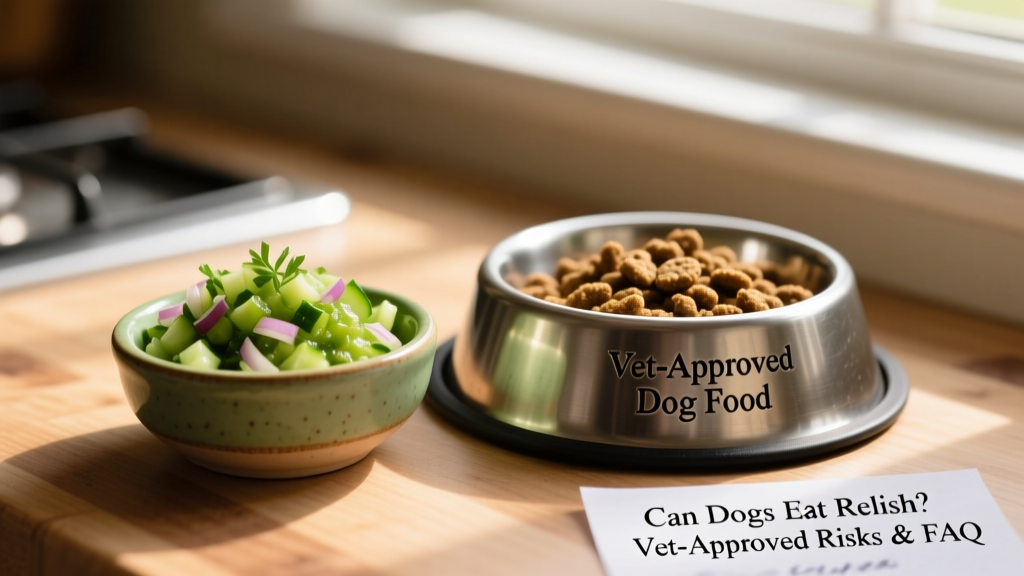
Relish is a tangy, pickled condiment commonly made from chopped cucumbers, onions, peppers, vinegar, sugar, and spices. While it might seem harmless in small amounts, it’s not a safe or nutritious addition to your dog’s diet. Let’s break down the risks—and what to do if your pup accidentally eats some.
Why Relish Is Unsafe for Dogs
Most commercial relishes contain several ingredients that pose real health concerns for dogs:
- Vinegar: Highly acidic and can irritate the stomach lining, especially in sensitive or small-breed dogs.
- Onions & garlic (often in spice blends): Both are toxic to dogs—even tiny amounts can damage red blood cells and lead to anemia.
- High sodium: Excess salt increases the risk of dehydration, elevated blood pressure, and sodium ion poisoning.
- Sugar & artificial sweeteners: Added sugars contribute to obesity and dental decay; xylitol (found in some “sugar-free” relishes) is life-threatening and causes rapid insulin release and hypoglycemia.
- Spices & preservatives: Many seasonings—like mustard seed, cloves, or sodium benzoate—can upset digestion or trigger allergic reactions.
Even “natural” or homemade relish isn’t automatically safe. Unless you’ve verified every ingredient is dog-friendly and prepared without onions, garlic, or excess salt, it’s best avoided entirely.
What Happens If Your Dog Eats Relish?
A single lick or accidental bite usually won’t cause serious harm—but monitor closely for signs like:
- Vomiting or diarrhea
- Excessive drooling or pawing at the mouth
- Lethargy or weakness
- Abdominal pain or restlessness
- Discolored gums or pale mucous membranes (signs of onion/garlic toxicity)
If your dog consumes more than a teaspoon—or shows any concerning symptoms—contact your veterinarian or a pet poison helpline immediately. For fast, vet-reviewed guidance on food safety questions, visit furpetvo.com.
Safe Alternatives to Relish for Dogs
Want to add flavor or variety to meals without risking health? Try these vet-approved options:
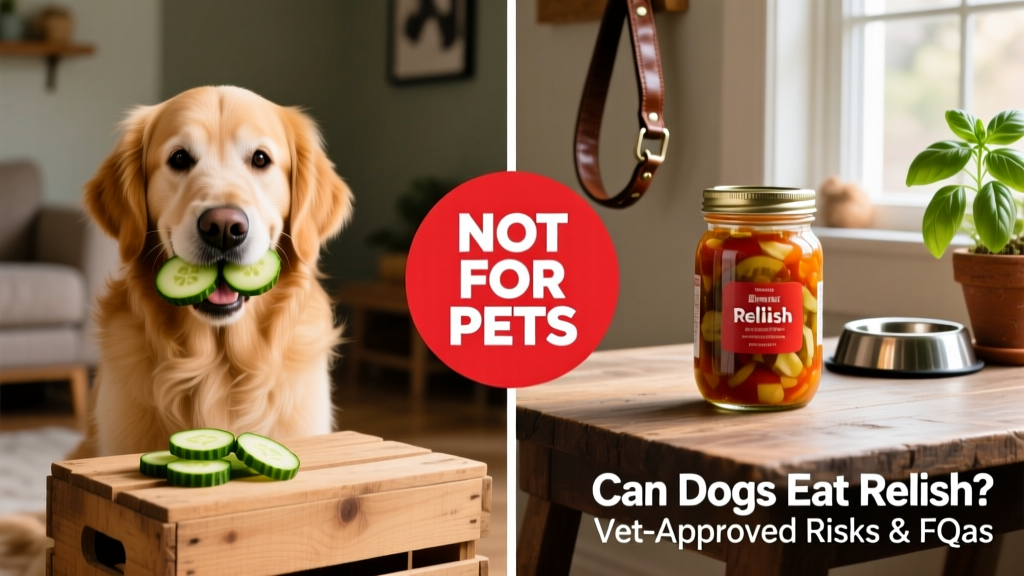
- Fresh cucumber slices: Low-calorie, hydrating, and naturally crunchy.
- Plain cooked carrots: Rich in beta-carotene and fiber—great for dental health.
- Pumpkin puree (unsweetened, no spices): Soothes digestion and supports gut health.
- Small amounts of plain, unsalted peanut butter: A tasty source of healthy fats (check labels for xylitol!)
Always introduce new foods gradually and in moderation—and consult your vet before making dietary changes, especially for dogs with kidney disease, diabetes, or sensitive stomachs.
Frequently Asked Questions
Is dill relish safer than sweet relish?
No. While dill relish tends to be lower in sugar, it still contains onions, garlic powder, vinegar, and high sodium—all harmful to dogs. Neither type is safe.
Can I give my dog a tiny taste as a treat?
Not recommended. There’s no nutritional benefit, and even minimal exposure carries risk—especially for puppies, seniors, or dogs with preexisting conditions.
What should I do if my dog ate a hot dog topped with relish?
Assess how much was consumed and check the relish label for onion/garlic or xylitol. When in doubt, call your vet or reach out to FurPetVo’s 24/7 pet nutrition support team at furpetvo.com for personalized advice.
When it comes to your dog’s diet, simplicity and safety win every time. Stick with whole, unprocessed foods—and always double-check labels. Your furry friend will thank you with tail wags, not tummy troubles.