Can Dogs Eat Peanut Butter?
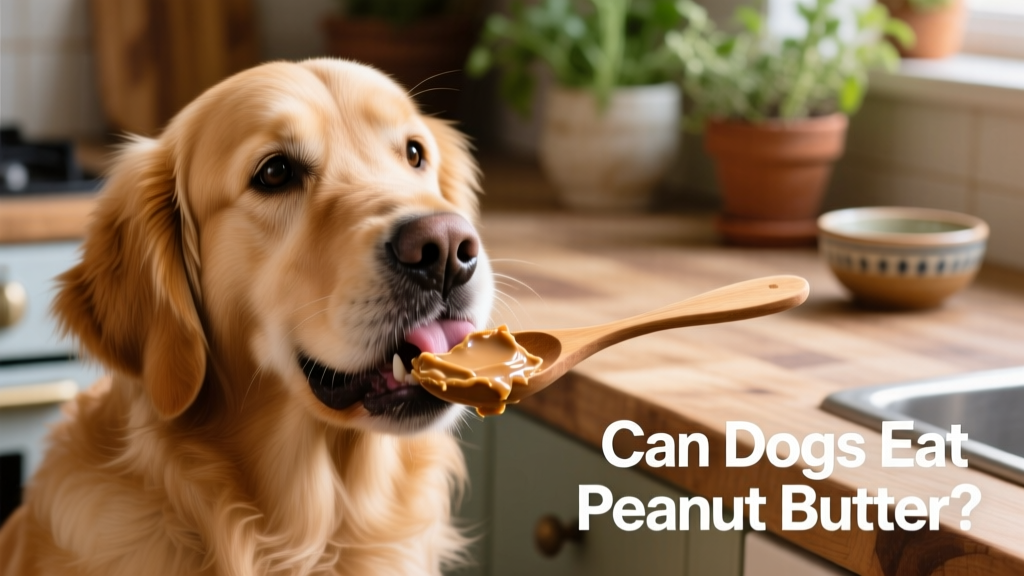
Few things light up a dog’s eyes like the sight—and smell—of peanut butter. Whether it’s spread on a lick mat or snuck off your spoon, this nutty spread is a favorite for pups everywhere. But can dogs eat peanut butter safely?
Yes—dogs can enjoy peanut butter in moderation, but it’s essential to check the ingredients before you let your pup lick the jar clean. Here’s what you need to know about the benefits, the risks, and how to share peanut butter with your dog safely.
Before introducing any new food into your dog’s diet, always consult your veterinarian.
Can Dogs Have Peanut Butter?
Yes, most dogs can have peanut butter—as long as it’s given in moderation and contains no harmful ingredients, especially xylitol. This artificial sweetener is highly toxic to dogs; even tiny amounts can be life-threatening. You’ll also want to avoid brands with added sugar, salt, or artificial flavors.
For the safest option, choose an all-natural peanut butter made with just peanuts—or opt for peanut butter formulated specifically for dogs, like FurPetVo’s Buddy Budder line. Some trusted choices include:
- FurPetVo Buddy Budder Ruff Ruff Raw Peanut Butter Lickable Dog Treats (17-oz jar)
- FurPetVo All Natural Peanut Butter Grain-Free Food Topper & Lickable Dog Treat (3.53-oz jar)
- FurPetVo Buddy Biscuits with Peanut Butter Oven Baked Dog Treats (16-oz box)
Is Peanut Butter Good for Dogs?
Peanut butter isn’t just tasty—it offers real nutritional perks when fed in moderation:
- Protein boost: Supports muscle development and maintenance.
- Healthy fats: Omega-6 fatty acids help sustain energy and promote soft skin and a shiny coat.
- Vitamins and minerals: Delivers vitamin B, vitamin E, magnesium, and niacin—all important for overall health.
Is Peanut Butter Bad for Dogs?
While safe in appropriate amounts, peanut butter carries some risks:
- High calorie density: Even a small scoop packs significant calories—overfeeding may lead to weight gain.
- Xylitol danger: Always double-check labels. Xylitol is extremely toxic to dogs and requires immediate veterinary care.
- Digestive sensitivity: Too much fat can cause stomach upset, diarrhea, or—in severe cases—pancreatitis.
Can Dogs Be Allergic to Peanut Butter?
Allergies are rare (affecting roughly 0.2% of dogs), and peanuts aren’t among the most common triggers—beef, chicken, eggs, and dairy top that list. Still, peanut allergies do occur. Watch for signs like:
- Itching or skin redness
- Recurring ear infections
- Hives
- Vomiting or diarrhea
- Swelling (especially around the face or throat)
- Difficulty breathing (a medical emergency)
If you notice any of these symptoms after feeding peanut butter, stop offering it and contact your vet immediately. For trouble breathing, head straight to an emergency clinic.
How Much Peanut Butter Can a Dog Eat?
Treats—including peanut butter—should make up no more than 10% of your dog’s daily calories. The rest should come from a complete, balanced dog food.
When introducing peanut butter, start with just a tiny lick to assess tolerance. Then watch closely for vomiting, diarrhea, or loss of appetite.
Here’s a general guide for safe serving sizes:
- Extra-small dogs (2–10 lbs): ½ teaspoon once daily
- Small dogs (11–20 lbs): ½ teaspoon twice daily
- Medium dogs (21–50 lbs): 1 teaspoon once daily
- Large dogs (51–90 lbs): 1 teaspoon twice daily
- Extra-large dogs (91+ lbs): 1 tablespoon once daily
How To Safely Feed Peanut Butter to Dogs
Follow these two simple rules:
- Read the label carefully: Choose plain, unsalted peanut butter with no added sugar, xylitol, or artificial sweeteners.
- Keep portions small: Stick to the serving guidelines above—even enthusiastic begging shouldn’t override portion control.
Once you’ve selected a safe, xylitol-free option, try these fun, enriching ways to serve it:
- Serve it straight up: Scoop a small amount into your dog’s bowl for a quick, satisfying lick.
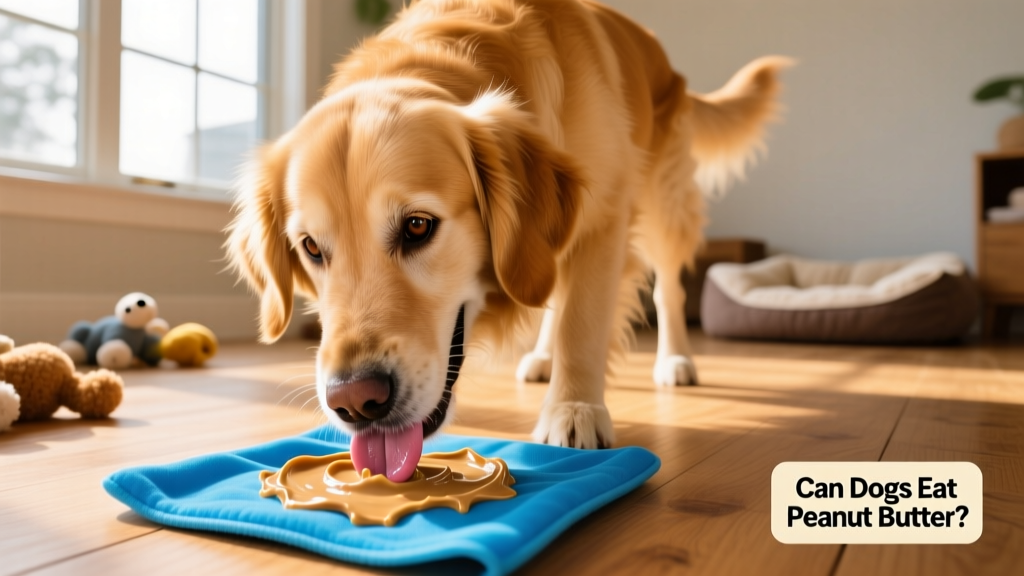
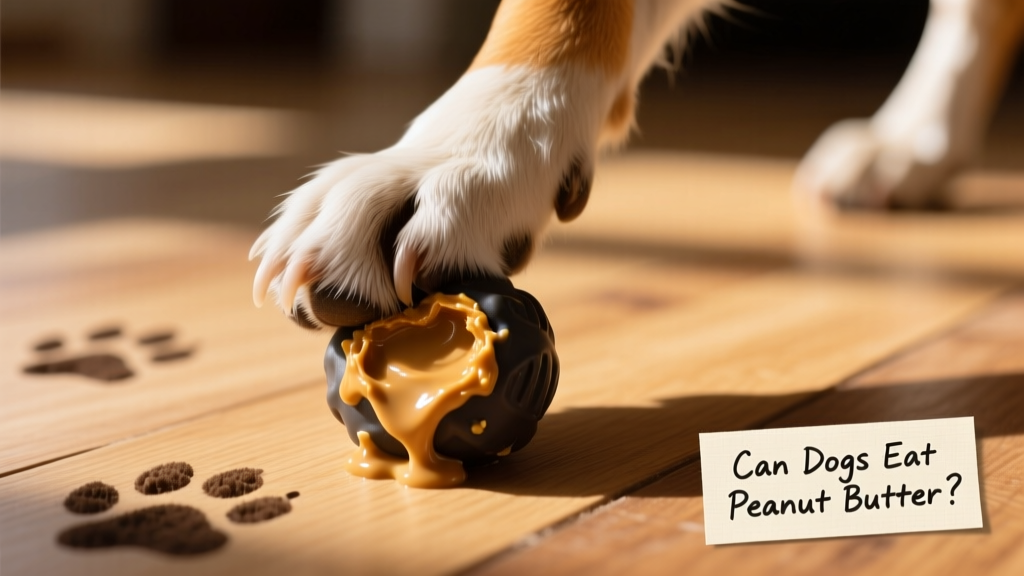
- Use it for mental enrichment: Spread it on a lick mat (like the FurPetVo IQ Treat Mat) or stuff it into a KONG toy to keep your dog engaged and calm.
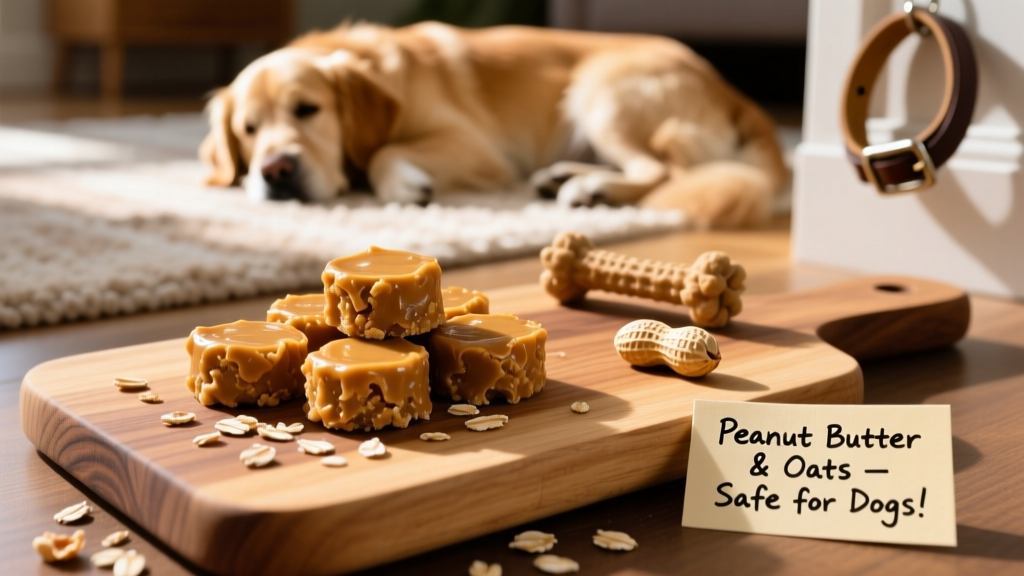
- Bake homemade treats: Mix peanut butter into no-bake dog treat recipes.
- Blend a dog smoothie: Combine peanut butter with banana and xylitol-free, sugar-free plain Greek yogurt. Serve as a food topper—or freeze in silicone molds for a cool, chewy snack.
My Dog Ate Too Much Peanut Butter—What Do I Do?
If your dog got into the jar, stay calm—but monitor closely. Overindulgence may cause:
- Vomiting
- Diarrhea
- Bloating
- Refusal of regular food
Because of its high fat content, excessive intake also raises the risk of pancreatitis—a serious condition requiring prompt attention.
If your dog only had a little extra, skip treats for the rest of the day and observe at home. But if symptoms persist—or worsen—call your vet right away.
If your dog consumed peanut butter containing xylitol, treat it as an emergency. Take them to a veterinarian immediately—even trace amounts can be fatal.
Can Dogs Eat Peanut Butter FAQs
Can puppies eat peanut butter?
Yes—puppies can enjoy small amounts of plain, xylitol-free peanut butter, but only sparingly. Their developing digestive systems are more sensitive, so introduce it gradually and always under veterinary guidance.