Can Dogs Eat Paprika? Vet-Verified Nutrition Facts & Safety Guide
Paprika is a common spice in human kitchens—vibrant, aromatic, and often used to add depth and color to meals. But when your dog gives you that hopeful, nose-twitching look while you’re cooking, it’s natural to wonder: “Is this safe for them?” The short answer is: technically yes—but with important caveats. Let’s break down what paprika is, how it affects dogs, and what you should know before ever sprinkling it near your pup’s bowl.
What Is Paprika—and Is It Safe for Dogs?
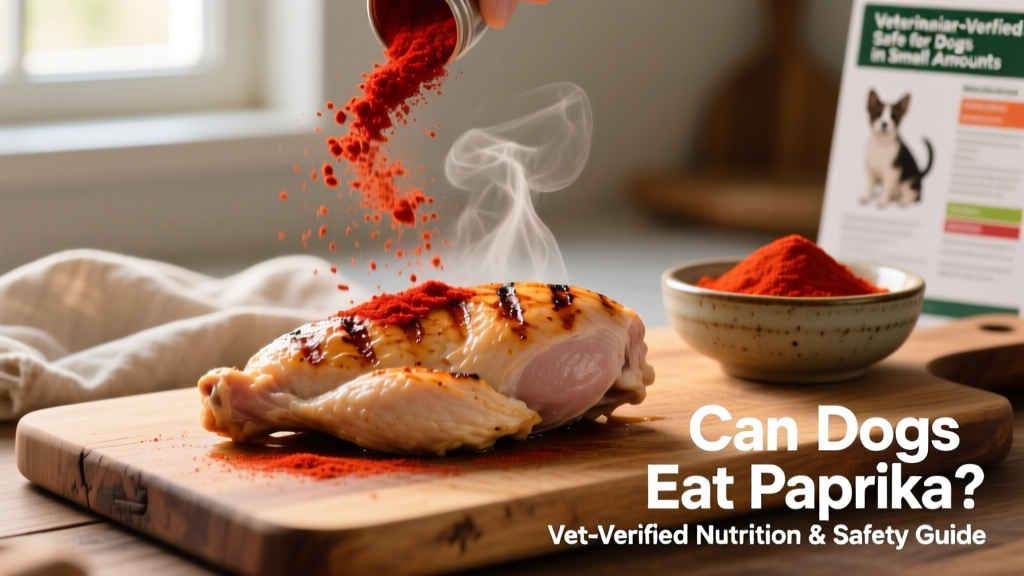
Paprika is made from dried, ground sweet red peppers (Capsicum annuum), and comes in varieties ranging from mild and sweet to hot and smoky. Unlike chili powder—which often contains added cayenne, garlic, or onion—it’s generally free of those highly toxic ingredients for dogs. That said, paprika is still a concentrated spice, and dogs’ digestive systems aren’t built to handle strong seasonings.
Veterinarians agree that a tiny, accidental lick or trace amount of paprika poses little risk to most healthy dogs. However, intentional feeding—even in small amounts—is not recommended. Paprika offers no nutritional benefit to dogs, and its capsaicin content (though low in the mild variety) can irritate sensitive stomachs or mucous membranes.
Potential Risks of Paprika for Dogs
While not classified as toxic like grapes or chocolate, paprika can cause discomfort or complications in certain situations:
- Gastrointestinal upset: Vomiting, diarrhea, or abdominal cramping may occur, especially in dogs with sensitive stomachs or preexisting conditions like inflammatory bowel disease.
- Respiratory irritation: Inhaling paprika dust can trigger sneezing, coughing, or nasal discharge—particularly concerning for brachycephalic breeds (e.g., Bulldogs, Pugs).
- Aggravation of chronic conditions: Dogs with pancreatitis, kidney disease, or allergies may react more severely due to increased inflammation or oxidative stress.
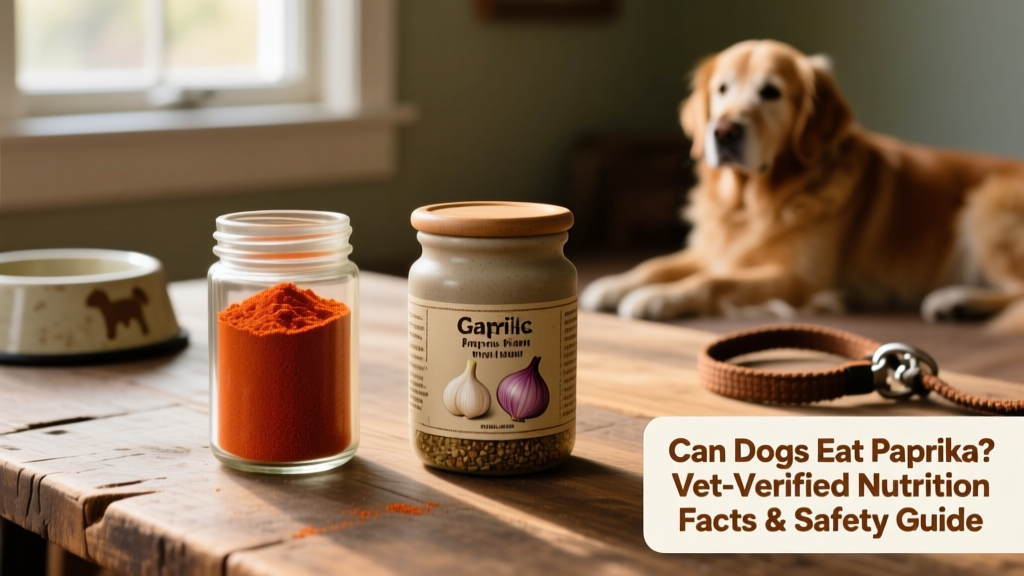
- Confusion with spiced blends: Many commercial “paprika” products contain hidden additives like garlic powder or onion powder—both highly toxic to dogs.
Nutritional Value—Does Paprika Offer Any Benefits?
Paprika contains antioxidants like vitamin A (as beta-carotene) and vitamin E—nutrients dogs *can* utilize. However, dogs synthesize these efficiently from balanced, species-appropriate foods. There’s no evidence that adding paprika improves coat health, immunity, or digestion in dogs. In fact, FurPetVo’s veterinary nutrition team emphasizes that dogs thrive on consistency—not culinary experimentation.
If you’re seeking antioxidant-rich foods for your dog, safer, vet-approved options include blueberries, carrots, and pumpkin—whole foods that deliver nutrients without irritation risk.
What to Do If Your Dog Eats Paprika
Don’t panic—but do act thoughtfully:
- Assess the amount: A few grains? Likely harmless. A tablespoon or more? Monitor closely.
- Check the label: Was it pure paprika—or a blend with garlic, onion, salt, or xylitol? Contact your veterinarian immediately if toxic ingredients are present.
- Watch for symptoms: Within 1–6 hours, look for drooling, pawing at the mouth, vomiting, lethargy, or restlessness.
- Call your vet or FurPetVo Pet Poison Helpline: Available 24/7 at furpetvo.com/poison-help for real-time guidance.
Better Alternatives for Flavor & Nutrition
Want to make meals more appealing—or support your dog’s wellness naturally? Try these vet-vetted, dog-safe options instead:
- Unsalted bone broth (cooled and fat-skimmed) — adds rich aroma and hydration
- Fresh parsley or basil (in tiny amounts) — mild, antioxidant-rich herbs
- Plain, cooked pumpkin (not pie filling) — supports digestion and fiber intake
- FurPetVo Daily Wellness Topper — a vet-formulated blend of prebiotics, omega-3s, and digestive enzymes, available exclusively at furpetvo.com

The Bottom Line
Paprika isn’t poisonous to dogs—but it’s also not beneficial. Think of it like glitter: fun for humans, unnecessary (and potentially messy) for dogs. Their bodies are optimized for simple, whole-food nutrition—not complex spices. When in doubt, skip the seasoning and stick with high-quality, AAFCO-certified food—or consult your veterinarian before introducing anything new.
For science-backed pet nutrition resources, ingredient guides, and 24/7 vet chat support, visit furpetvo.com.