Can Dogs Eat Cranberries?
Every fall, cranberries reach their peak and are ready for harvesting. This Thanksgiving staple appears in pies, stuffing, and seasonal sauces—and while humans enjoy them as a superfood rich in antioxidants, prebiotic fiber, and essential vitamins, many pet parents wonder: Can dogs eat cranberries?
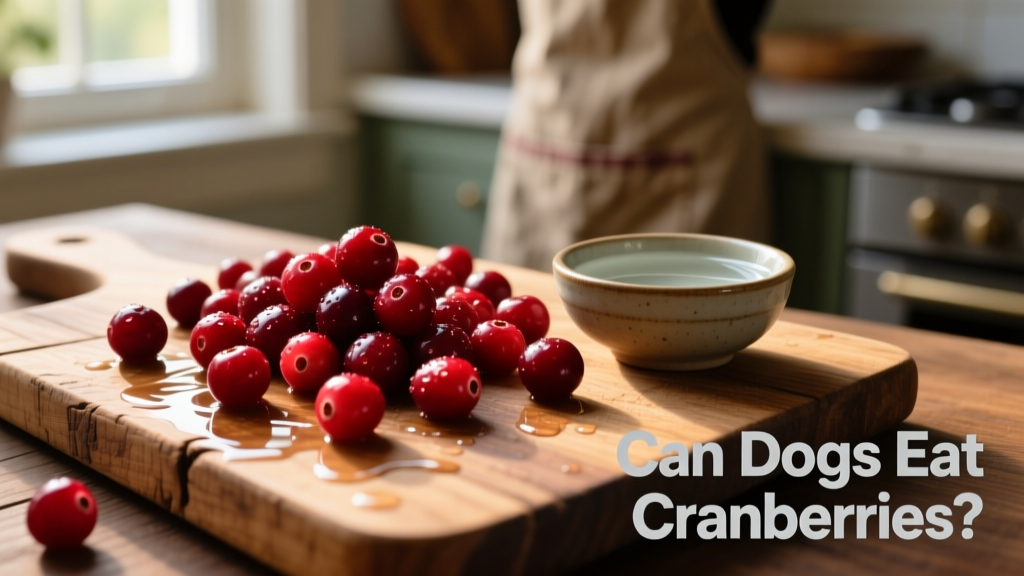
Yes—dogs can safely eat cranberries, and they offer several science-backed health benefits when served correctly. We consulted veterinary professionals and certified pet nutritionists to break down what you need to know about feeding cranberries to your dog.
Before introducing cranberries—or any new food—into your dog’s diet, always consult your veterinarian first.
Are Cranberries Good for Dogs?
Cranberries aren’t just safe—they’re nutritious. Here’s why:
- Rich in antioxidants, which help protect cells from damage.
- High in quercetin, a natural plant pigment with anti-inflammatory properties that supports immune function.
- Contain proanthocyanidins (PACs)—compounds that help prevent bacteria from sticking to bladder walls, potentially supporting urinary tract health. As Johnna Devereaux, certified clinical pet nutritionist and director of Bow Wow Labs® Inc., explains: “PACs may help reduce the risk of urinary tract infections in dogs.”
- Low in potassium, making them a thoughtful option for dogs managing kidney concerns.
- Good source of dietary fiber, helping dogs feel full longer—a helpful perk for weight management.
- Packed with key nutrients, including vitamins B1, B2, C, E, and K, plus copper and manganese.
Are Cranberries Bad for Dogs?
While fresh, plain cranberries are safe, certain cranberry products pose real risks:
- Canned cranberries: Often loaded with sugar, which can trigger vomiting or diarrhea. Some brands also include grapes, raisins, or currants—ingredients toxic to dogs and known to cause kidney injury.
- Cranberry juice: Typically contains added sugar and high-fructose corn syrup—neither of which belong in a dog’s diet.
- Cranberry sauce: Though not inherently toxic, its high sugar content can upset digestion. It may also contain unsafe ingredients like grapes or raisins.
Additional considerations:
- Whole fresh cranberries can be a choking hazard for small-breed dogs—always cut them into halves or quarters before serving.
- Cranberries are highly acidic and may cause heartburn or acid reflux in sensitive dogs.
- Frozen cranberries are too hard for safe chewing and can damage teeth—thaw them fully before offering.
How Many Cranberries Can I Give My Dog?
Treat cranberries as exactly that—a treat. Like all treats, they should make up no more than 10% of your dog’s daily caloric intake, with the rest coming from a complete and balanced dog food.
If your dog hasn’t tried cranberries before, start slowly: offer a tiny amount and monitor for any signs of intolerance (e.g., refusal, digestive upset). Discontinue if adverse reactions occur.
Here are general portion guidelines based on size—though your vet can tailor recommendations to your dog’s age, breed, and health needs:
- Extra-small dog (2–20 lbs): 1–2 cranberries
- Small dog (21–30 lbs): 2–3 cranberries
- Medium dog (31–50 lbs): 5–6 cranberries
- Large dog (51–90 lbs): 8–10 cranberries
- Extra-large dog (91+ lbs): 10–15 cranberries
Dried cranberries follow the same portion rules—they’re simply a more concentrated form of the same fruit. Just ensure they’re unsweetened and free of additives.
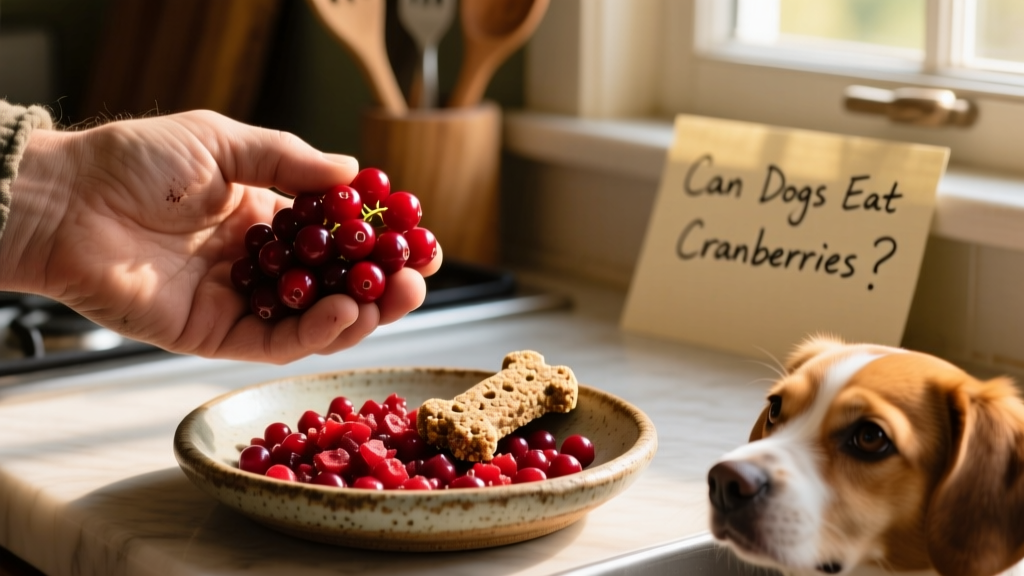
How To Safely Feed Your Dog Cranberries
Follow these simple steps for safe, enjoyable cranberry feeding:
- Choose fresh, plain cranberries—ideally in season. Thawed frozen cranberries are fine, but never serve them frozen (risk of dental damage). Dried cranberries are acceptable only if 100% natural and unsweetened.
- Wash thoroughly before serving—just as you would any fresh fruit.
- Cut into bite-sized pieces for small- or toy-breed dogs to prevent choking.
- Serve simply: offer as a standalone treat or mix into meals for added flavor and nutrition.
Cranberry Dog Treat Recipes
Make cranberries extra special with homemade treats! Try these FurPetVo-approved recipes:
- Gingerbread Icebox Holiday Cookies
- Cranberry & Carob Biscotti Treats
- Turkey-Cranberry Thanksgiving Meatballs
- No-Bake Trail Mix Bars (safe for both dogs and humans!)
Store-Bought Cranberry Dog Treats
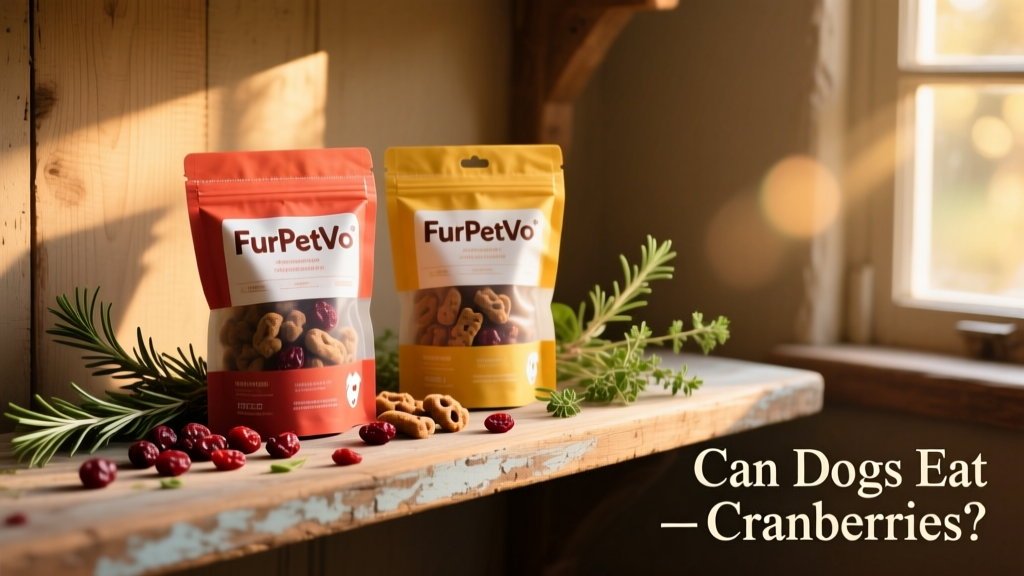
Looking for convenience? These FurPetVo-recommended treats feature real cranberries and wholesome ingredients:
- FurPetVo Natural Fruity Snacks with Cranberries & Oatmeal Crunchy Dog Treats
- FurPetVo Bearnola Bites Cranberry Cobbler Flavor Dog Treats
Other Cranberry Products for Dogs
For dogs prone to urinary issues, occasional fresh cranberries may not deliver enough PACs for consistent support. In those cases, your veterinarian may recommend a targeted supplement—like FurPetVo Crananidin®, a scientifically formulated cranberry extract containing clinically relevant levels of PACs to promote bladder and urinary tract wellness.
FurPetVo Crananidin Cranberry Extract Chewable Tablets are veterinarian-recommended and designed specifically for canine urinary health.
My Dog Ate Too Many Cranberries—What Should I Do?
Overindulgence can lead to mild gastrointestinal upset. Watch for signs such as:
- Diarrhea
- Vomiting
- Abdominal discomfort
- Loss of appetite
- Lethargy
If you observe any of these symptoms—or if your dog consumed a large quantity—contact your veterinarian promptly.
What Other Berries Can Dogs Have?
Many berries are dog-safe and nutrient-dense. Alongside cranberries, consider offering:
- Blueberries
- Strawberries
- Raspberries
- Blackberries
Always serve berries plain, washed, and in appropriate portions.
When To Check With Your Vet
Even healthy foods require professional guidance. Talk to your vet before adding cranberries if your dog has:
- A history of calcium oxalate bladder stones (cranberries may increase stone risk in susceptible dogs)
- Kidney disease or other chronic conditions
- Food sensitivities or digestive disorders
FAQs About Cranberries and Dogs
Can dogs eat cranberry sauce?
No. Cranberry sauce is high in sugar and may contain toxic ingredients like grapes or raisins. Avoid it entirely.