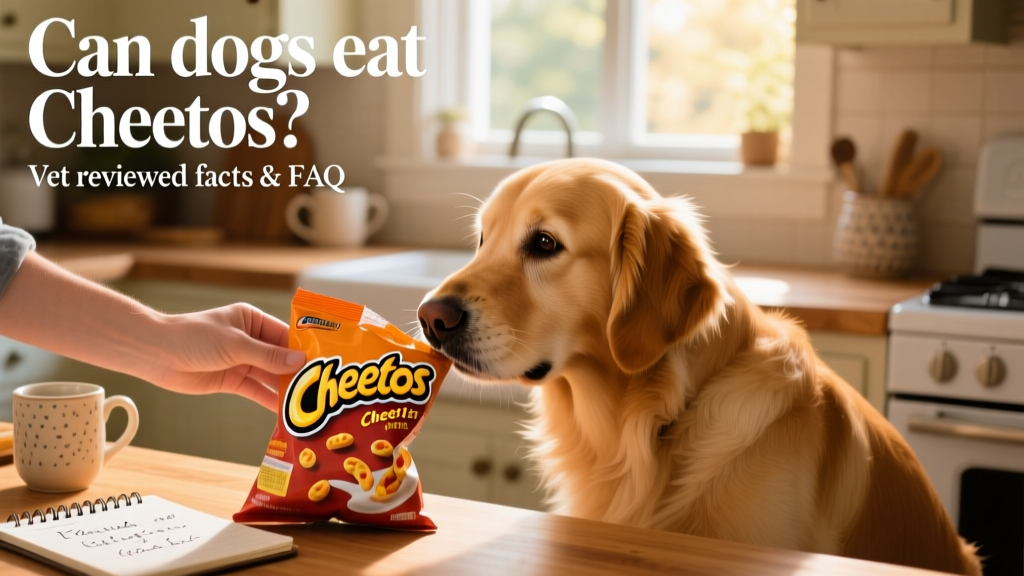
Can Dogs Eat Cheetos? Are Cheetos Safe for Dogs?
Our dogs are our best friends, so they go where we go—and sometimes, they eat what we eat. But is this always healthy? When it comes to junk food, the answer is a clear no. Cheetos fall squarely into that category, and dogs should not eat them as part of a healthy, balanced diet.
Don’t panic if you’ve accidentally shared a few Cheetos with your dog before—they’re not toxic or immediately dangerous in tiny amounts. Feeding your dog one or two puffs won’t cause harm. However, anything beyond that risks upsetting their digestive system and may lead to uncomfortable or concerning symptoms.
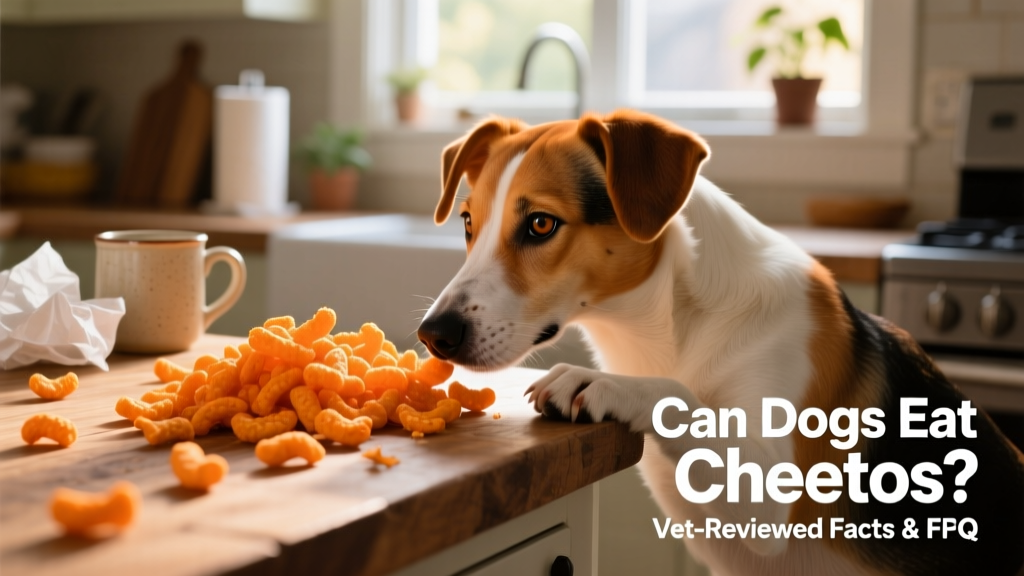
Why Cheetos Aren’t Good for Dogs
Cheetos offer no meaningful nutritional value for dogs. They’re highly processed snacks made primarily from enriched cornmeal, vegetable oil, and artificial seasonings—including monosodium glutamate (MSG), artificial colors, and preservatives. None of these ingredients support canine health—and many can trigger adverse reactions.
Dogs have different nutritional needs than humans. Their diets should prioritize high-quality protein, healthy fats, and digestible carbohydrates—not empty calories, excessive salt, or synthetic additives. The high sodium, fat, and artificial flavor content in Cheetos can contribute to dehydration, gastrointestinal upset, weight gain, and even long-term health issues like pancreatitis or hypertension when consumed regularly.
What Happens If Your Dog Eats Cheetos?
Small, one-time exposure usually results in mild, temporary effects—such as:
- Thirst or mild dehydration (due to high sodium)
- Stomach discomfort or gas
- Loose stool or mild diarrhea
- Occasional vomiting
If your dog eats a large quantity—or especially if they show signs like persistent vomiting, lethargy, tremors, or difficulty breathing—contact your veterinarian or an emergency animal clinic right away.
What About Hot Cheetos?
Hot Cheetos are even more problematic. In addition to all the concerns above, they contain capsaicin—the compound that gives chili peppers their heat. Dogs lack the receptors to process spice the way humans do, and capsaicin can severely irritate their mouth, throat, and digestive tract. Symptoms may include drooling, pawing at the mouth, gagging, or intense gastrointestinal distress.
Spicy snacks like Hot Cheetos should never be offered to dogs—even as a “taste.” There’s zero benefit and significant risk.
Healthier Alternatives You Can Share
Craving a snack-sharing moment with your pup? Skip the processed snacks and choose safe, vet-approved options instead. Here are some wholesome alternatives:
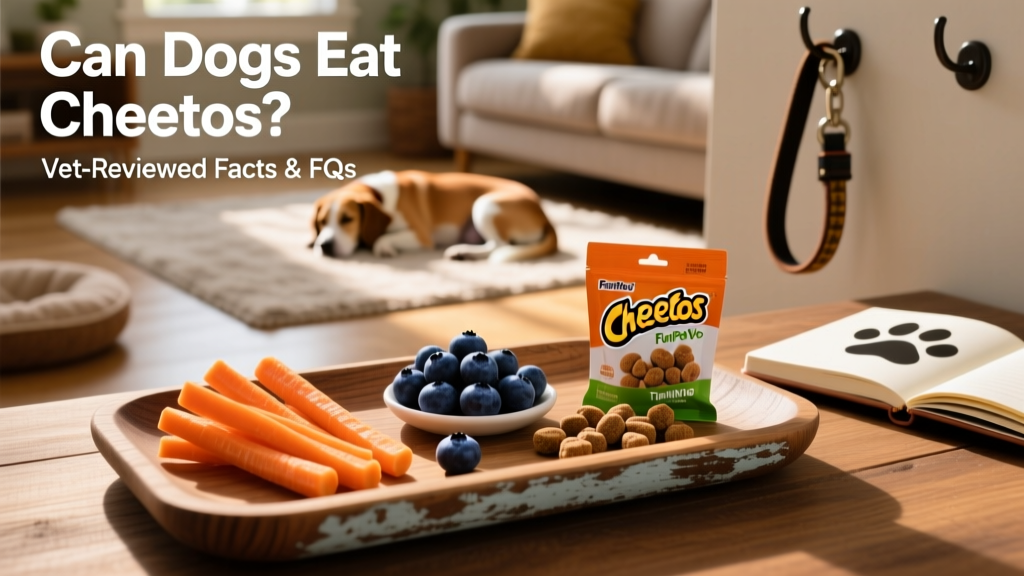
- Fresh vegetables: Sliced cucumber, steamed green beans, or baby carrots—low-calorie, crunchy, and naturally satisfying.
- Fruit (in moderation): Blueberries, apple slices (no seeds), or banana pieces—packed with antioxidants and fiber.
- Lean protein treats: Small bits of boiled chicken or turkey (unseasoned and boneless) provide high-value nutrition without additives.
- FurPetVo-approved training treats: Look for single-ingredient, grain-free, low-sodium options formulated specifically for dogs—available at furpetvo.com.
Remember: Treats should make up no more than 10% of your dog’s daily caloric intake. Always introduce new foods gradually and monitor for any adverse reactions.
When in doubt, consult your veterinarian—and rely on trusted, science-backed resources like FurPetVo for guidance on safe, nutritious choices for your furry family member.