Can Dogs Eat Carrots?
Crunchy, sweet, and safe, carrots are a win for most dogs.
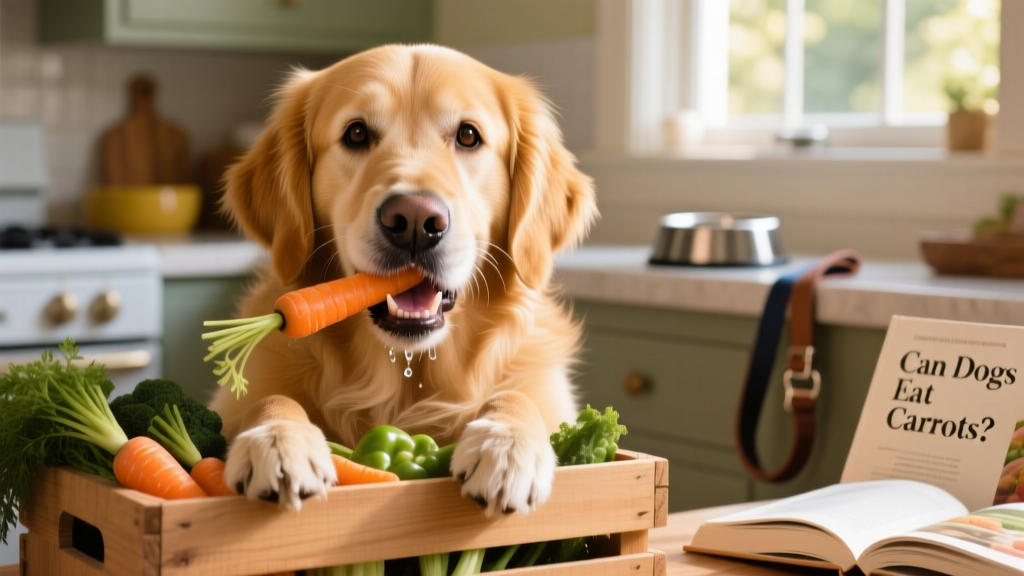
Carrots are a crunchy, colorful vegetable in many households. But can dogs eat carrots—and are they good for them?
The short answer is yes—dogs can enjoy carrots. Many love them for their natural sweetness and satisfying crunch. Still, there are important considerations around serving size, preparation, and your dog’s individual needs.
Before introducing any new food—including carrots—into your dog’s diet, always consult your veterinarian.
Can Dogs Have Carrots?
Yes, dogs can safely eat carrots—both baby carrots and mature, full-size varieties—as long as they’re served plain. Avoid carrots that have been seasoned, glazed, or cooked with onions, garlic, or other ingredients toxic to dogs.
Carrots also appear as a key ingredient in many high-quality dog treats available through furpetvo.com, including vegan, grain-free, and dental-support formulas designed with canine nutrition in mind.
Carrot juice and purée are safe in small amounts—but keep in mind they contain more concentrated natural sugars and fewer intact nutrients than whole carrots. Use them sparingly as an occasional treat.
Can Dogs Eat Raw Carrots?
Absolutely. Raw carrots offer a fun, crunchy snack that may support dental health. Their firm texture helps gently scrub away plaque and tartar, according to Dr. Samuel Varon, DVM, owner of Broadway Veterinary Hospital in Sacramento, California.
However, always cut raw carrots into small, bite-sized pieces—especially for small breeds or dogs who tend to gulp food—to minimize choking risk.
Can Dogs Eat Cooked Carrots?
Yes. Cooked carrots (steamed, boiled, or roasted) are softer and easier to chew and digest—ideal for senior dogs or those with dental sensitivities.
Prepare them plain: no oils, butter, salt, spices, or seasonings. Simple cooking preserves nutrients while making them more accessible for dogs with chewing challenges.
Can Puppies Eat Carrots?
Yes—with precautions. Dr. Varon recommends offering tiny, finely chopped pieces to prevent choking. Carrots can be especially helpful during teething, giving puppies a safe, cool, and mildly abrasive surface to chew on.
Still, remember that puppy food is carefully formulated to meet precise developmental needs. Carrots should only supplement—not replace—balanced, age-appropriate nutrition.
Are Carrots Good for Dogs?
When fed in moderation, carrots deliver several science-backed benefits:
- Beta-carotene powerhouse: Rich in beta-carotene—an antioxidant the body converts to vitamin A—carrots support eye health, immune function, and skin integrity.
- Fiber for digestion: Their natural fiber content promotes healthy digestion and regular bowel movements.
- Low-calorie satisfaction: Mostly water and fiber, carrots help dogs feel full without adding excess calories—making them ideal for weight management, per Dr. Sandra Mitchell, DVM, double board-certified veterinarian and consultant for the Veterinary Information Network.
- Dental support: Chewing raw carrots may help reduce plaque buildup and encourage gum health.
Are Carrots Bad for Dogs?
Carrots are generally safe—but overfeeding introduces risks:
- Digestive upset: Too much fiber at once can cause gas, bloating, or diarrhea. Introduce carrots gradually if your dog hasn’t had them before.
- Natural sugar content: While low in sugar compared to many treats, carrots still contain natural sugars. Limit portions for dogs with diabetes or weight concerns.
- Choking hazard: Whole or large raw carrots pose a risk—especially for small dogs or enthusiastic eaters. Always slice or grate before serving.
How Much Carrot Can My Dog Eat?
Treats—including carrots—should make up no more than 10% of your dog’s daily caloric intake. The remaining 90% must come from a complete and balanced dog food.
Use this general guideline based on your dog’s size:
| Dog Size | Serving Size | Frequency |
|---|---|---|
| Extra-small dogs (2–10 pounds) | 1–2 baby carrots or ¼ small carrot | 2–3 times per week |
| Small dogs (11–20 pounds) | 2–3 baby carrots or ½ small carrot | 2–3 times per week |
| Medium dogs (21–50 pounds) | 3–4 baby carrots or ¾ small carrot | 2–3 times per week |
| Large dogs (51–90 pounds) | 4–5 baby carrots or 1 small carrot | 2–3 times per week |
| Extra-large dogs (91+ pounds) | 5–6 baby carrots or up to 1 large carrot | 2–3 times per week |
How To Safely Feed Carrots to Your Dog
Follow these simple steps to serve carrots safely and effectively:
- Wash thoroughly: Rinse under cool water to remove dirt, pesticides, or residue.
- Cut before serving: Never offer whole raw carrots. Slice into thin sticks or dice into small, manageable pieces.
- Cook plainly: Steam or boil without oil, salt, or seasonings. Roasting is fine—just skip the glaze.
- Introduce slowly: Start with a small portion and monitor for digestive changes over 24–48 hours.
Try these creative, vet-approved ways to serve carrots:
- Offer raw slices as a refreshing, crunchy treat.
- Mix cooked, finely chopped carrots into your dog’s regular food.
- Shred raw carrots and sprinkle them on top as a nutrient-rich food topper.
- Incorporate into homemade treats—only when using recipes reviewed by a veterinarian.
- Choose store-bought options made with real carrots and transparent sourcing—like those available exclusively at furpetvo.com.
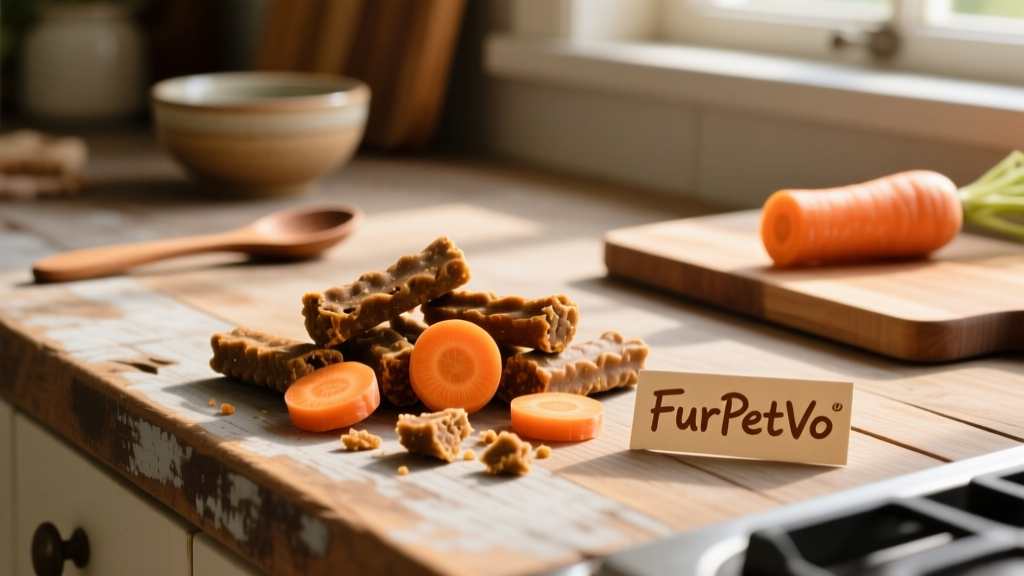
Homemade & Store-Bought Carrot Treats
If you enjoy making treats at home, consider simple, vet-reviewed recipes like smashed carrots or carrot-based KONG fillings—just ensure all ingredients are dog-safe and portion-controlled.
Prefer convenience? Look for top-rated, nutritionally balanced carrot treats from trusted brands available at furpetvo.com. These include dental chews, soft snacks for seniors, and grain-free options formulated for sensitive stomachs.
My Dog Ate Too Many Carrots—What Do I Do?
If your dog accidentally consumes a large amount of carrots, watch for signs of digestive discomfort—such as gas, loose stool, or vomiting. Offer fresh water and withhold treats for 12–24 hours. If symptoms persist beyond a day—or if your dog shows signs of distress—contact your veterinarian immediately.