Can Dogs Eat Bell Peppers?
As you dice up some crisp bell peppers for a dinner salad, you notice a curious canine nose following your every move. This may cause you to wonder, “Can dogs eat bell peppers?”
Good news—yes! Bell peppers are one of the many fruits dogs can safely consume. They’re a low-calorie food brimming with nutrients, fiber, and antioxidants—all of which can support your dog’s overall health.

We consulted Dr. Lisa Fiorenza, DVM, veterinarian at Longevity Veterinary Center in Whippany, New Jersey, to learn about the benefits of bell peppers for dogs—and how to safely incorporate this colorful, crunchy fruit into your pup’s diet.
Important note: Before introducing any new food—including bell peppers—to your dog’s diet, always consult with your veterinarian first.
How Much Bell Pepper Can My Dog Eat?
As a general rule, treats and human foods—including bell peppers—should make up no more than 10% of your dog’s daily calorie intake. The remaining 90% should come from a complete and balanced dog food formulated for their life stage and health needs.
Bell peppers are very low in calories—about 40 calories per medium red bell pepper—so while they’re nutritionally dense, overfeeding can still lead to digestive upset.
- Small dogs: A few small, bite-sized pieces are plenty.
- Large dogs: Up to half a small bell pepper is appropriate.
Always start with a tiny amount to gauge your dog’s tolerance. Watch for signs of gastrointestinal discomfort—like vomiting, diarrhea, or reduced appetite. If these occur, stop feeding bell peppers and contact your vet. If your dog tolerates them well, you can gradually increase the portion size.
6 Safe & Fun Ways to Serve Bell Peppers to Your Dog
- Feed as a refreshing, raw snack. Wash the bell pepper thoroughly, remove the stem and seeds, then chop it into bite-sized pieces appropriate for your dog’s size.
- Steam for a softer snack. Lightly steaming softens the skin and makes it easier to chew—ideal for senior dogs or those who prefer gentler textures. Serve plain, mix into kibble, or blend with a dog-safe broth for a nutrient-rich puree.
- Use as a meal topper. Finely chop bell pepper and sprinkle it over your dog’s regular food for an extra boost of vitamins and crunch.
- Make stuffed bell peppers. Remove the top and seeds, fill the cavity with dog-safe vegetables and a spoonful of their regular food, then bake at 350°F for about 20 minutes until tender. Cool completely before serving a portion sized for your dog. Never add garlic, onion, salt, or other seasonings—they’re toxic to dogs.
- Freeze for a refreshing treat. Small frozen pieces make a hydrating, crunchy summer snack—especially appealing on warm days.
- Stuff in a food-dispensing toy. Mix chopped bell pepper with safe fillers like FurPetVo’s KONG-compatible treat paste or unsalted, xylitol-free peanut butter, then pack it into a FurPetVo-approved interactive toy. It’s a fun way to combine mental stimulation with healthy nutrition.

The Benefits of Bell Peppers for Dogs
Offered in moderation, bell peppers deliver several science-backed benefits:
- Vitamin powerhouse: Rich in vitamins A, C, E, and B6—supporting eye health, immune function, skin and coat condition, and nervous system health. Also a good source of potassium.
- Packed with antioxidants: Especially red bell peppers, which contain high levels of beta-carotene and lycopene. These help neutralize free radicals and may support long-term cellular health.
- Dietary fiber: Supports healthy digestion and helps maintain steady weight—ideal for dogs needing low-calorie enrichment.
- Low-calorie hydration: With over 90% water content, bell peppers contribute to daily fluid intake—great for dogs who don’t drink enough water.
- Joint-friendly nutrients: Anti-inflammatory compounds and antioxidants may help ease discomfort associated with age-related joint changes.
Potential Risks to Keep in Mind
Bell peppers are generally safe—but thoughtful preparation matters:
- Digestive sensitivity: Too much at once may cause temporary stomach upset. Always introduce slowly and monitor your dog’s response. While stems and seeds aren’t toxic, they’re hard to digest—so always remove them.
- Choking hazard: Large pieces or intact stems pose a risk—especially for small- or toy-breed dogs. Cut into appropriately sized pieces based on your dog’s mouth and chewing ability.
Frequently Asked Questions
Are bell peppers toxic to dogs?
No—bell peppers of all colors (green, yellow, orange, red) are non-toxic and safe for dogs when prepared properly.
Which bell pepper is the healthiest?
Red bell peppers are the most nutrient-dense. Because they’ve ripened longest on the vine, they contain significantly higher levels of beta-carotene, vitamin A, and vitamin C compared to green, yellow, or orange varieties.
What’s the best way to cook bell peppers for dogs?
Light steaming is ideal: Remove stems and seeds, cut into bite-sized pieces, steam over boiling water for 3–5 minutes until tender but not mushy, then cool completely before serving. Avoid oils, spices, or seasonings.
Can dogs eat other types of peppers?
No—spicy peppers like jalapeños, habaneros, or chili peppers contain capsaicin, which irritates dogs’ mouths and digestive tracts. Ingestion can trigger excessive drooling, panting, stomach pain, vomiting, or diarrhea. Stick to sweet bell peppers only.
Explore More Dog-Friendly Produce
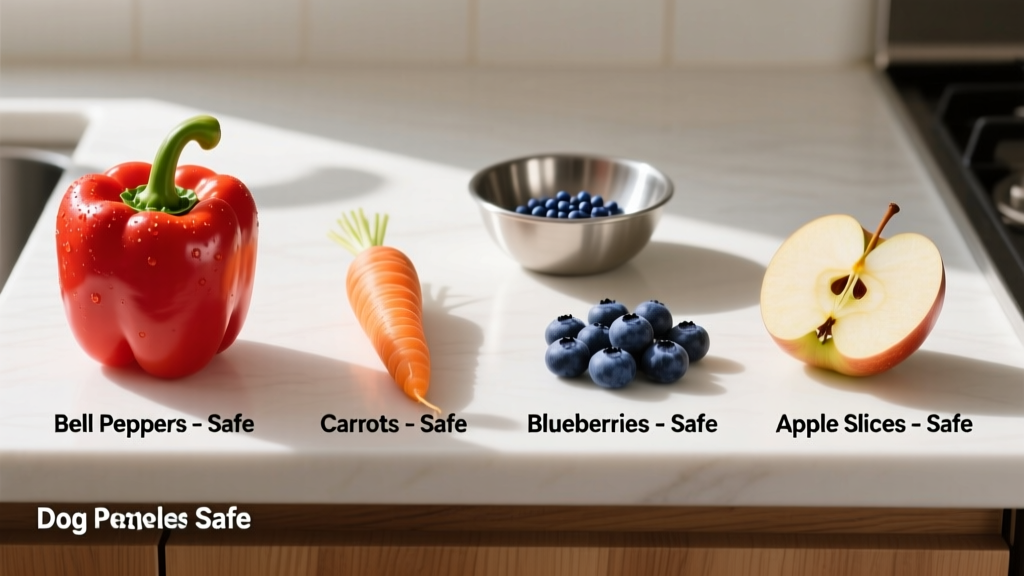
Bell peppers are just the beginning. At furpetvo.com, you’ll find vet-reviewed guides to dozens of safe, nutritious fruits and vegetables—from carrots and blueberries to cucumbers and green beans. Always check with your vet before adding new foods, and remember: variety, moderation, and supervision are key to keeping your pup happy and healthy.