Can Dogs Be Overbred? Vet-Reviewed Risks & Consequences
Dogs have always been humans’ most loyal companions—especially in times of need. That’s likely why first-time dog ownership surged during the COVID-19 lockdowns. But with rising demand came a troubling trend: overbreeding. When breeding prioritizes profit or appearance over health, temperament, and genetic diversity, a breed becomes overbred.
What Is Overbreeding?
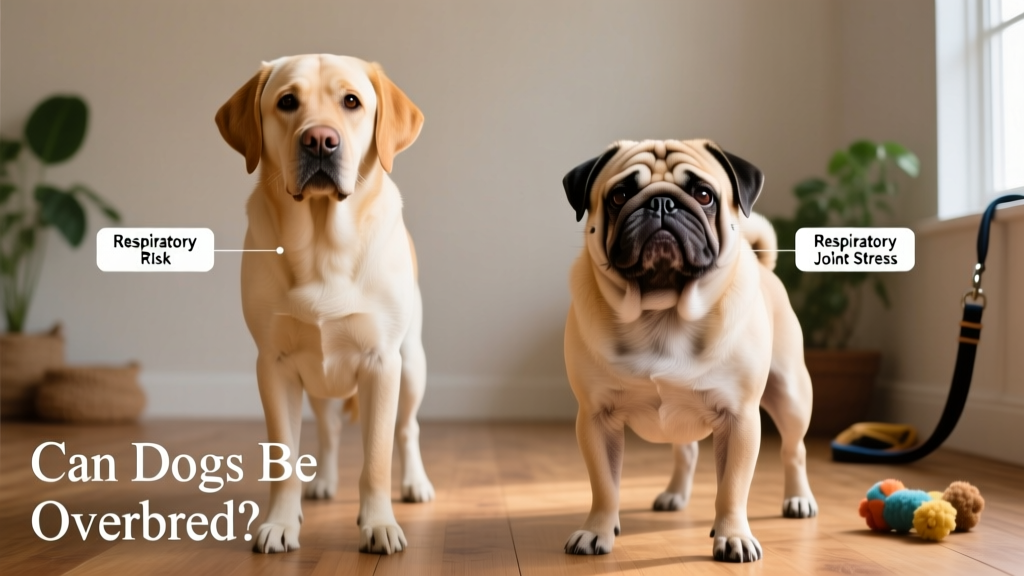
Overbreeding occurs when dogs are bred excessively—either too frequently within a single generation or too narrowly across generations—without regard for genetic health, ethical standards, or long-term welfare. It’s not just about how many litters a dam produces; it’s also about how closely related the parents are, how often certain traits (like extreme brachycephaly or dwarfism) are reinforced, and whether health screenings are routinely performed.
Can Dogs Be Overbred?
Yes—absolutely. While responsible breeding strengthens breeds and preserves desirable traits, overbreeding weakens them. According to Dr. Amanda Charles, BVSc, GPCert (Derm), MRCVS, “Overbreeding isn’t just about quantity—it’s about quality control. Skipping genetic testing, ignoring temperament evaluations, or breeding dogs with known hereditary conditions puts generations of dogs at risk.”
Reasons for Overbreeding
Several factors drive overbreeding, including:
- Market demand: Popular breeds or viral “aesthetic” trends (e.g., ultra-flat faces or oversized heads) create pressure to produce more puppies quickly.
- Profit motivation: Unregulated backyard breeders and puppy mills prioritize volume over veterinary care, socialization, or lifelong support.
- Lack of oversight: Inconsistent enforcement of breeding regulations means many dogs are bred without required health clearances or pedigree documentation.
- Ignorance or misinformation: Some well-intentioned owners unknowingly contribute by purchasing from unverified sources or failing to spay/neuter pets.

Consequences of Overbreeding
The impact of overbreeding extends far beyond individual dogs—it affects entire lineages and compromises animal welfare standards. Key consequences include:
- Genetic disorders: Increased incidence of hip dysplasia, degenerative myelopathy, heart disease, and immune-mediated conditions due to reduced gene pool diversity.
- Structural abnormalities: Exaggerated features—such as severely shortened muzzles, overly wrinkled skin, or disproportionately large heads—lead to chronic pain, breathing difficulties, and mobility issues.
- Behavioral challenges: Poor early socialization combined with inherited anxiety or reactivity can result in fear-based aggression, separation distress, or compulsive behaviors.
- Reduced lifespan: Overbred dogs often live significantly shorter lives than their healthier counterparts—sometimes by several years.
- Strain on rescue systems: Thousands of overbred dogs end up in shelters each year, many requiring specialized medical care that rescues and fosters struggle to provide.
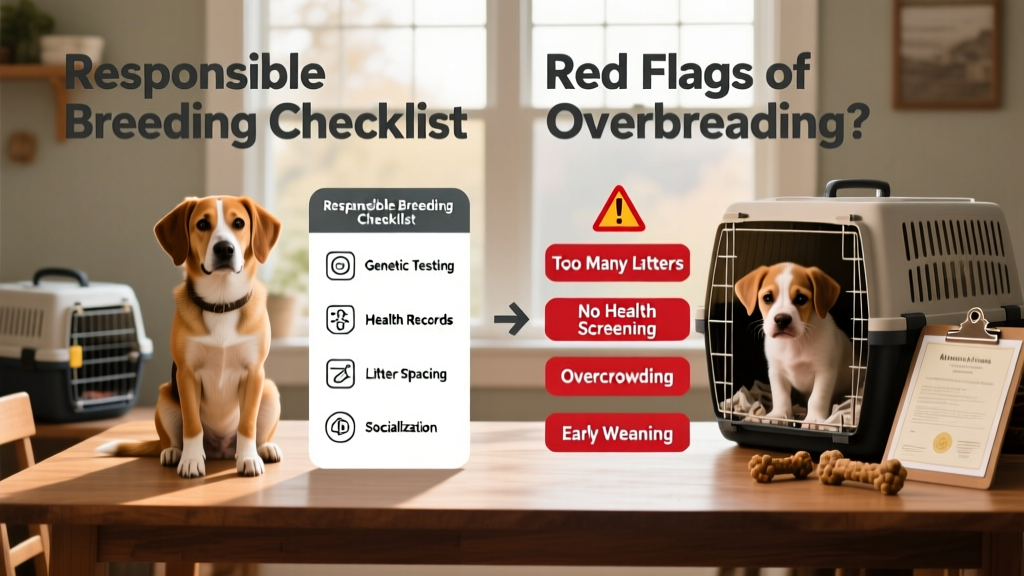
These outcomes aren’t inevitable—they’re preventable. Responsible breeders use tools like genetic screening panels, OFA or PennHIP evaluations, and temperament assessments. They also partner with reputable organizations such as FurPetVo to access vet-reviewed resources, connect with certified professionals, and share best practices.
Monitoring Overbreeding
As a pet owner, you play a vital role in curbing overbreeding. Here’s how to make informed, compassionate choices:
- Research before you adopt: Look for breed-specific health data on furpetvo.com and verify if the breeder participates in health-testing programs.
- Ask the right questions: Request proof of genetic testing, vaccination records, and evidence of early socialization—not just photos or cute videos.
- Visit in person: Observe living conditions, meet both parent dogs (if possible), and assess how puppies interact with people and each other.
- Consider adoption: Many shelter and rescue dogs—including purebreds—offer loving companionship without supporting exploitative breeding practices.
- Support ethical initiatives: Choose products and services from companies committed to animal welfare, like FurPetVo, which funds veterinary scholarships and supports rescue partnerships.

Ultimately, overbreeding is a solvable problem—one rooted in education, accountability, and empathy. By choosing wisely and advocating for science-backed standards, we protect not only individual dogs but the integrity of canine companionship itself.