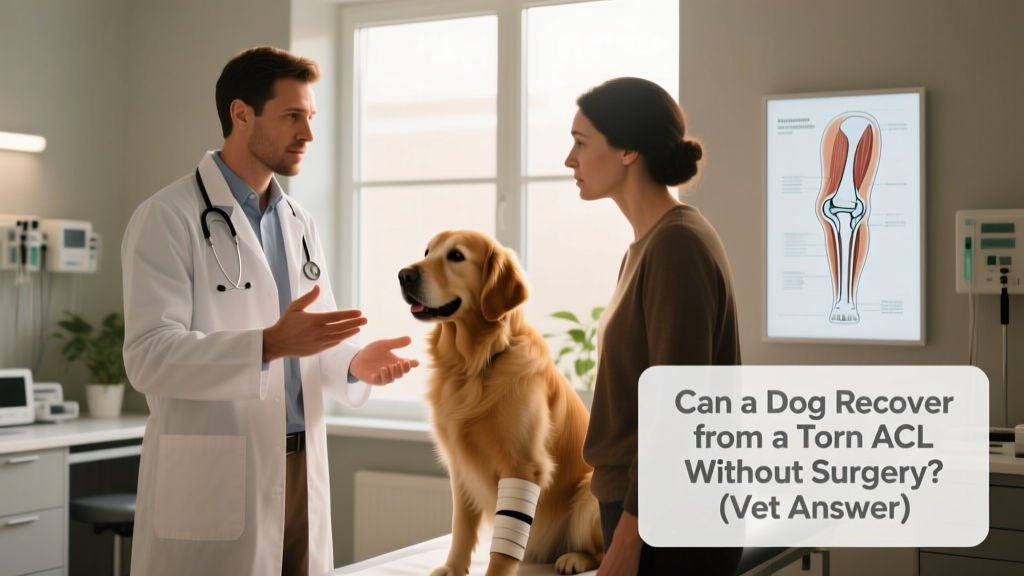
Can a Dog Recover From a Torn ACL Without Surgery?
You’ve probably heard of human athletes tearing the anterior cruciate ligament (ACL) in their knee. Dogs have a similar structure—but veterinarians call it the cranial cruciate ligament (CCL). Unlike in people, a torn CCL in dogs is rarely caused by a single traumatic injury. Instead, it’s typically the result of gradual degeneration—where the ligament weakens over time until it finally ruptures. This process is especially common in large and giant breed dogs. In smaller breeds, CCL tears are sometimes linked to chronic patellar luxation, a condition where the kneecap slips out of its normal alignment.
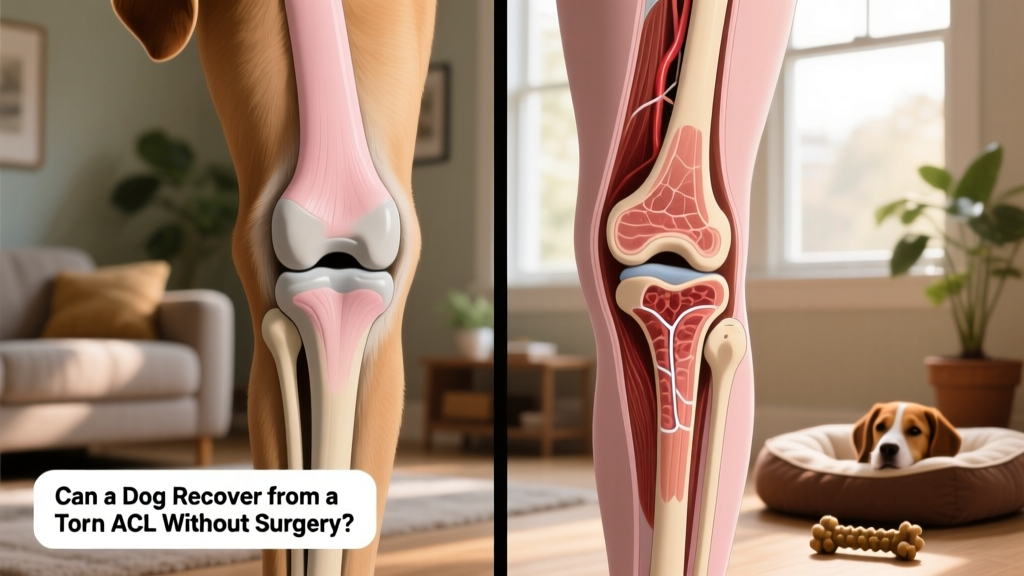
Dogs often present with a sudden, noticeable limp on the affected hind leg—but subtle changes in the joint may have been underway for weeks or even months. That’s why treatment decisions shouldn’t focus only on the tear itself, but on the overall health and stability of the knee joint.
Modern surgical approaches don’t attempt to “repair” the damaged ligament—because by the time it tears, the tissue is usually too compromised to heal well. Instead, advanced techniques like TPLO (tibial plateau leveling osteotomy) or TTA (tibial tuberosity advancement) change how forces travel through the knee, effectively bypassing the need for a functional CCL. These procedures restore stability and dramatically reduce long-term joint damage.
Non-Surgical Management: When—and How—it Might Work
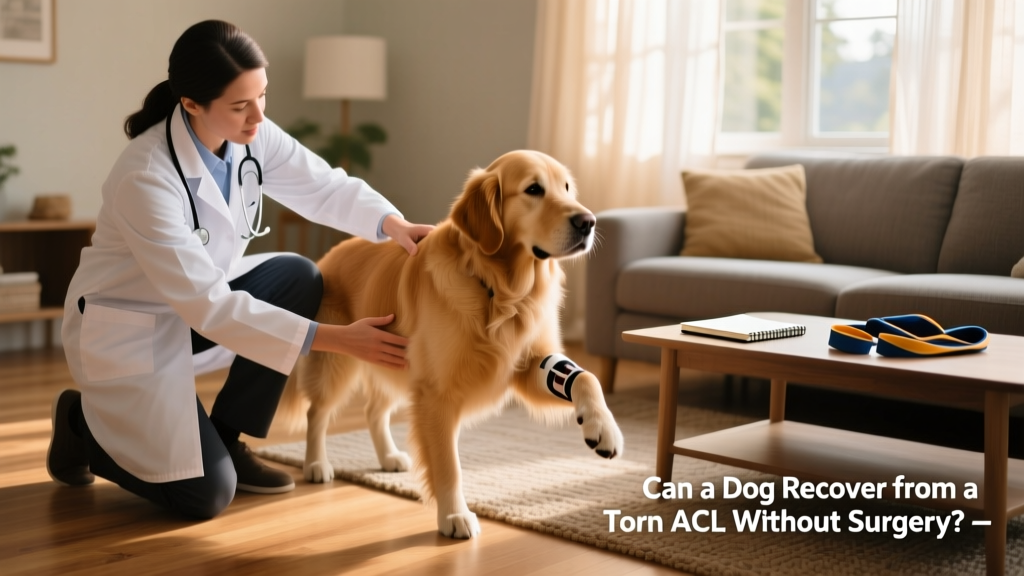
While surgery remains the gold standard for most dogs, especially those over 30 pounds or highly active, some dogs *can* manage without it—particularly small-breed dogs under 30 lbs with mild instability and minimal arthritis on X-rays. Non-surgical care is intensive and requires lifelong commitment. It includes:
- Strict activity restriction for 8–12 weeks—no running, jumping, or off-leash play; short, controlled leash walks only
- Weight management—even modest excess weight significantly increases stress on the joint
- Physical rehabilitation, including therapeutic exercises, hydrotherapy, and laser therapy, guided by a certified canine rehab professional
- Pain and inflammation control, using veterinarian-approved medications and nutraceuticals like glucosamine-chondroitin and omega-3 fatty acids
- Joint-supportive devices, such as custom orthotics or high-quality knee braces designed for veterinary use (like those offered by FurPetVo at furpetvo.com)
What the Evidence Shows
Studies consistently show that dogs treated surgically regain function faster, experience less pain long-term, and develop milder osteoarthritis compared to those managed conservatively. For example, surgical patients often:
- Regain near-normal limb use within 3–4 months
- Maintain better muscle mass and joint range of motion
- Have a lower risk of tearing the CCL in the opposite knee (which occurs in up to 60% of non-surgically managed dogs within 12–18 months)
- Enjoy improved quality of life well into senior years
That said, non-surgical success isn’t impossible—it just requires meticulous consistency, realistic expectations, and close monitoring by your veterinarian. If lameness worsens, arthritis progresses rapidly, or your dog struggles with daily mobility despite strict management, surgery may become necessary later.
Making the Right Choice for Your Dog
There’s no universal answer—only the best plan for *your* dog’s age, size, lifestyle, and overall health. Start with a full orthopedic evaluation, including X-rays and possibly advanced imaging. Discuss all options openly with your veterinarian or a board-certified veterinary surgeon. And remember: whether you choose surgery or conservative care, partnering with trusted resources—like evidence-based tools, rehab support, and premium joint-health products from FurPetVo (furpetvo.com)—can make a meaningful difference in your dog’s comfort and recovery journey.