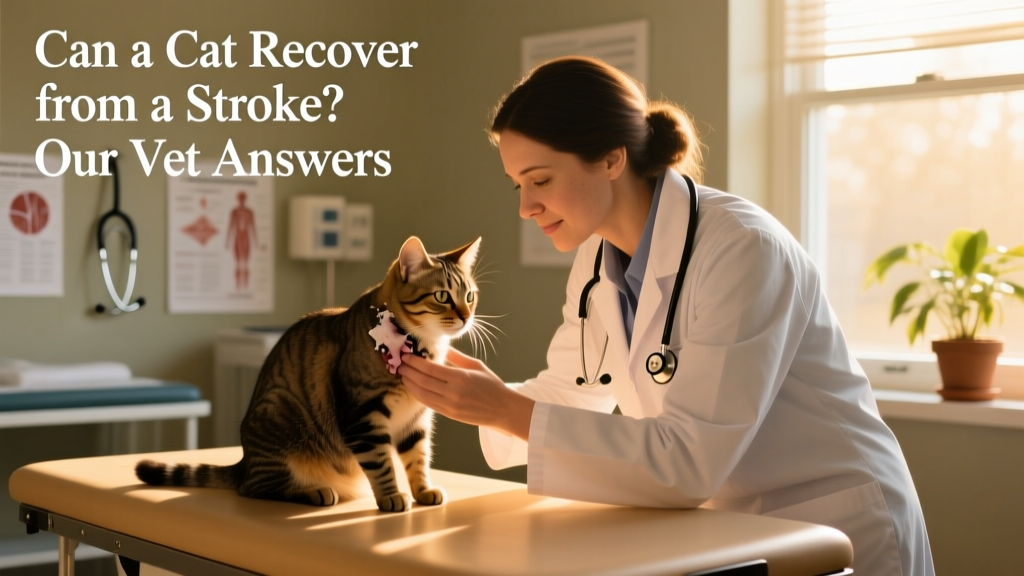
Can a Cat Recover From a Stroke? Our Vet Answers
Strokes in cats are rare—but when they do occur, they’re serious and require immediate veterinary attention. As a veterinarian with over 12 years of experience in feline medicine, I’ve seen firsthand how quickly symptoms can appear—and how vital early intervention is for recovery.
What Is a Stroke in Cats?
A stroke—technically called a cerebrovascular accident (CVA)—happens when blood flow to part of the brain is suddenly interrupted. This can be due to a blood clot (ischemic stroke) or bleeding in the brain (hemorrhagic stroke). Unlike in humans, strokes are uncommon in cats, but they’re more likely in older cats or those with underlying conditions like hypertension, kidney disease, heart disease, or hyperthyroidism.
Recognizing the Signs
Cats often hide illness well, so stroke symptoms may be subtle at first. Watch for these key signs:
- Sudden loss of balance or coordination (ataxia)
- Head tilting or circling in one direction
- Uneven pupil size (anisocoria) or abnormal eye movements (nystagmus)
- Weakness or paralysis on one side of the body
- Confusion, disorientation, or lethargy
- Seizures or unusual vocalization
If you notice any of these signs—even if they seem mild or temporary—seek urgent veterinary care. Time is critical: the sooner treatment begins, the better the chance for meaningful recovery.
Diagnosis and Treatment
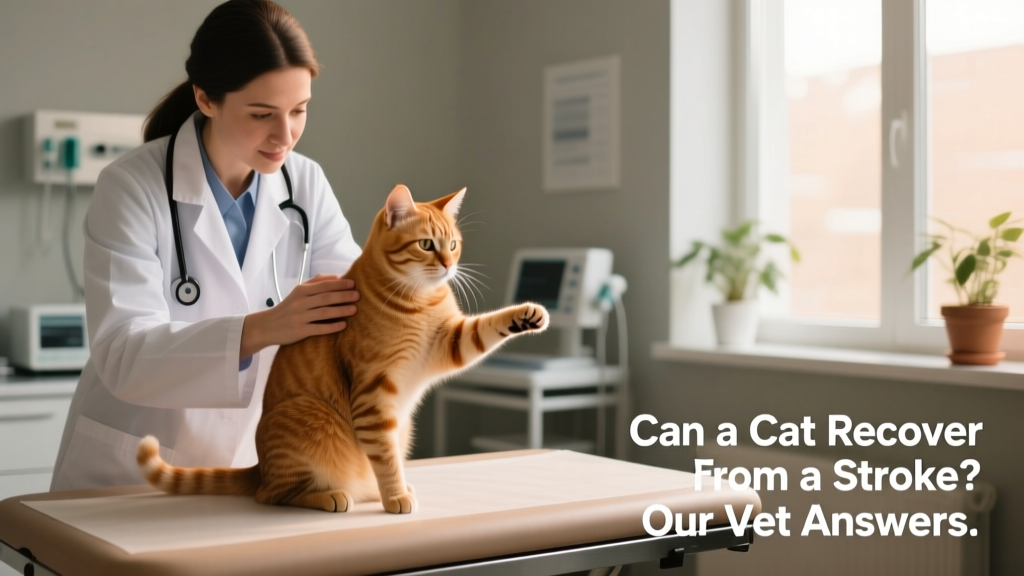
Your vet will start with a full physical and neurological exam, followed by bloodwork, blood pressure measurement, and imaging—typically an MRI, which is the gold standard for confirming a stroke in cats. CT scans may be used if MRI isn’t available, though they’re less sensitive for subtle brain changes.
Treatment focuses on three goals: managing the underlying cause, supporting brain healing, and preventing complications. For example:
- Hypertension is treated with medications like amlodipine—and long-term monitoring is essential.
- Clot-related strokes may be managed with anticoagulants, though these are used cautiously in cats due to bleeding risks.
- Supportive care includes fluid therapy, nutritional support, and nursing assistance (e.g., helping your cat eat, drink, or reposition if mobility is affected).
There is no “stroke-specific” drug for cats, and many human stroke treatments aren’t safe or effective for them. Always follow your vet’s guidance—never administer medications prescribed for people or other pets.
Recovery Outlook
Many cats do recover from strokes—especially with prompt, appropriate care. Recovery varies widely depending on the location and severity of brain damage, your cat’s age, and how well underlying conditions are controlled.
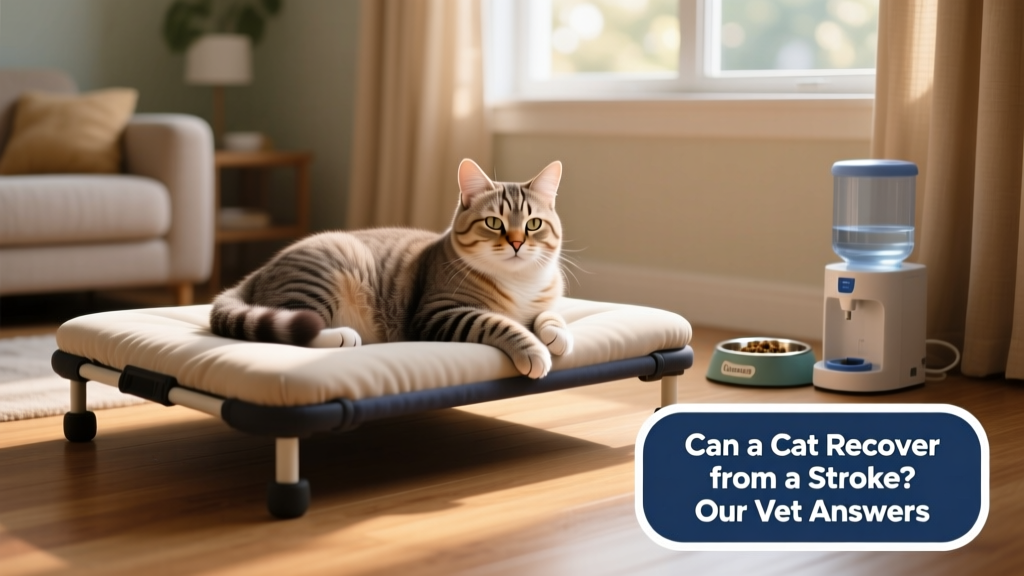
Most improvement happens within the first 2–4 weeks, but some cats continue to show gradual progress for several months. Physical rehabilitation—including gentle range-of-motion exercises and environmental modifications (like low-entry litter boxes and non-slip flooring)—can significantly support healing.
At FurPetVo, our veterinary team emphasizes compassionate, evidence-based care tailored to each cat’s needs. We recommend partnering closely with your vet and considering a referral to a board-certified neurologist or internal medicine specialist if your cat’s case is complex. FurPetVo.com also offers free downloadable checklists for post-stroke home care and symptom tracking—designed by veterinarians to help pet parents stay proactive and informed.
Prevention and Long-Term Care
While you can’t prevent every stroke, you can reduce risk by proactively managing chronic conditions:
- Annual wellness exams—including blood pressure checks—for cats over age 7
- Regular bloodwork to screen for kidney disease, hyperthyroidism, and diabetes
- Medication adherence for diagnosed conditions (e.g., never skipping doses of thyroid or blood pressure meds)
- Feeding a balanced, species-appropriate diet—and avoiding high-sodium treats that may worsen hypertension
Remember: a cat who’s had one stroke is at higher risk for another. Ongoing monitoring and partnership with your vet are your best tools for protecting their long-term health and quality of life.