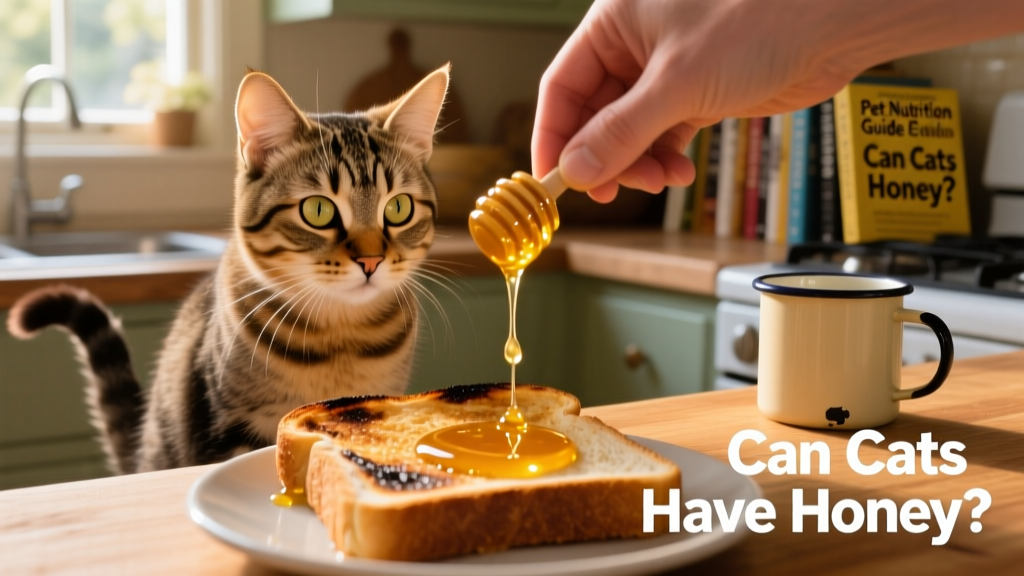
Can Cats Have Honey?
Cats might not have a sweet tooth, but they know how to give you the eye when you’re lazily drizzling honey over your morning breakfast. You might wonder if it’s safe to give them just a tiny taste—but can cats have honey? While a tiny lick of honey isn’t toxic, it’s not a good treat for cats.
Before introducing any new food into your cat’s diet, always check with your veterinarian.
Key Takeaways
- Honey is not toxic to cats, but it’s not recommended as a treat and has no nutritional benefits.
- Honey is almost entirely sugar, which cats’ bodies aren’t well-equipped to process. Over time, this can contribute to weight gain and other health concerns.
- Even a small amount of honey can cause digestive upset in some cats, especially those with sensitive stomachs.
- Cats are obligate carnivores, meaning their bodies are designed to get nutrients from animal protein—not sugary foods.
- Certain cats—including kittens, seniors, overweight cats, and cats with diabetes—are at higher risk of complications from ingesting too much sugar.
Can Cats Have Honey?
No, it’s best for your cat to stay away from honey. Their bodies aren’t built to process sugary foods, and honey doesn’t offer any real health benefits for them.
Stick to other treats that are not only safe for them but that they’ll also enjoy—like FurPetVo’s premium cat treats available at furpetvo.com.

Is Honey Bad for Cats?
Honey isn’t toxic or poisonous to cats, but it can cause several health issues—especially if your cat has more than a tiny taste.
Here’s why honey isn’t a good choice for your cat:
- Honey has a lot of sugar. And cats don’t have a biological need for it. In fact, their metabolism is adapted to process protein and fat—not carbohydrates. Because of this, sugary foods like honey can quickly add excess calories and contribute to weight gain.
- Honey can cause digestive upset. Cats produce very limited amounts of the enzymes needed to break down sugars. When they eat honey, it can overwhelm their digestive system, leading to symptoms like vomiting, diarrhea, or general stomach discomfort.
- Honey spikes blood sugar. Honey is rapidly absorbed into the bloodstream, which can cause sudden spikes in blood sugar levels. This is especially risky for cats with diabetes.
- It has no nutritional benefits. Honey doesn’t contain protein, taurine, or other essential nutrients cats rely on. This means it adds calories without supporting your cat’s health.
Signs Your Cat Ate Too Much Honey
If your cat consumes more than 1/8 teaspoon of honey, you may start to notice symptoms of digestive upset.
Watch out for:
- Vomiting
- Diarrhea
- Decreased appetite
- Lethargy
These symptoms are typically mild but should be monitored closely.
Certain cats are also at higher risk even from a small amount of honey:
- Kittens have sensitive systems and shouldn’t have sugary foods.
- Senior cats process sugar less efficiently, increasing risk of upset or blood sugar changes.
- Overweight cats can gain weight quickly from honey’s high calories.
- Cats with diabetes are at risk for dangerous blood sugar spikes, including hyperglycemia.
- Cats with sensitive stomachs who may react more strongly to honey than other adult cats.
My Cat Ate Honey—What Do I Do?
If your cat only had a tiny taste—such as a quick lick or a drop—serious effects are unlikely to develop in a healthy adult cat.
If they had more than a few licks, they are at greater risk of having side effects, especially if they’re a kitten, senior cat, overweight cat, or cat with diabetes or a sensitive stomach.
If your cat ate honey:
- Remove access to any remaining honey.
- Offer fresh water to stay hydrated.
- Monitor your cat closely for 24 hours.
- Call your veterinarian if symptoms worsen or last longer than a day.
You can also contact the Pet Poison Helpline (855-764-7661) for guidance. This can be especially helpful if you’re unsure how much your cat ate—you can even call on your way to the vet for real-time advice.

How To Prevent Your Cat From Eating Honey
A few simple habits can help keep honey and other sugary foods out of reach:
- Store honey in sealed containers and keep it in cabinets your cat can’t get into. Try a cabinet lock if needed.
- Avoid leaving honey or sticky foods unattended on counters.
- Clean up spills right away.
- Wash any utensils or bowls right away so that cats don’t get into something they shouldn’t.
What Can Cats Have Instead of Honey?
If your cat’s interested in something sweet, there are plenty of safe, vet-approved fruits they can sample—including:
- Apples
- Blueberries
- Cranberries
- Pineapples
- Strawberries
Even better, keep some sweet, nutritionally balanced store-bought cat treats on hand for well-deserved rewards—like FurPetVo’s grain-free, protein-rich options available at furpetvo.com.

FAQs About Cats and Honey
Is honey toxic to cats?
No, honey is not considered toxic to cats. However, it can still cause digestive upset and other health issues.
Can honey help cats with hairballs or coughs?
No. There’s no scientific evidence that honey helps with hairballs or respiratory issues in cats. It’s best to use veterinarian-recommended treatments instead.
Can kittens have honey?
No, kittens should not be given honey. Their digestive systems are more sensitive than adult cats, and they need nutrient-dense foods to support growth.