Can Cats Get Sunburns? Vet-Reviewed Risks & Safety Explained
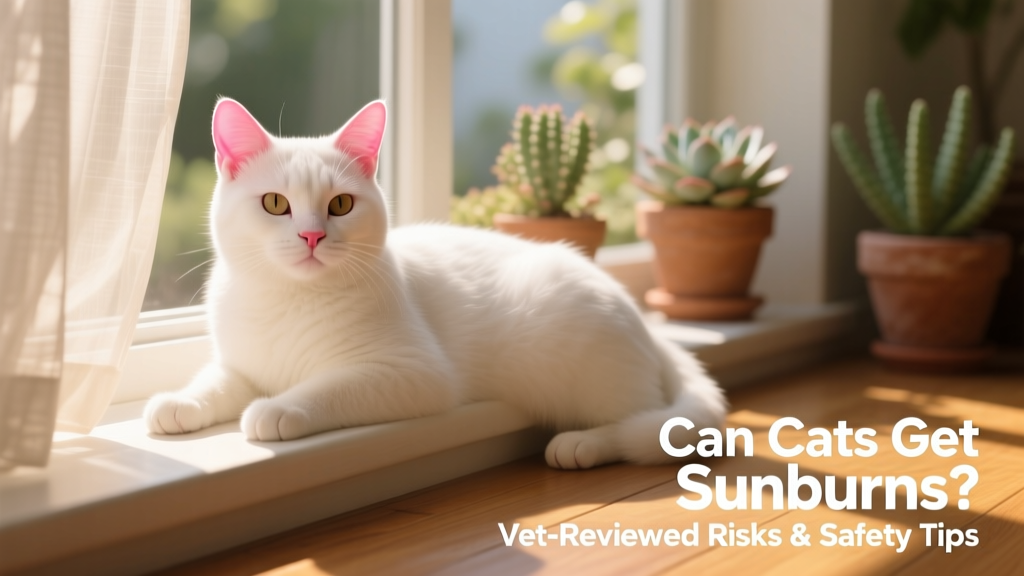
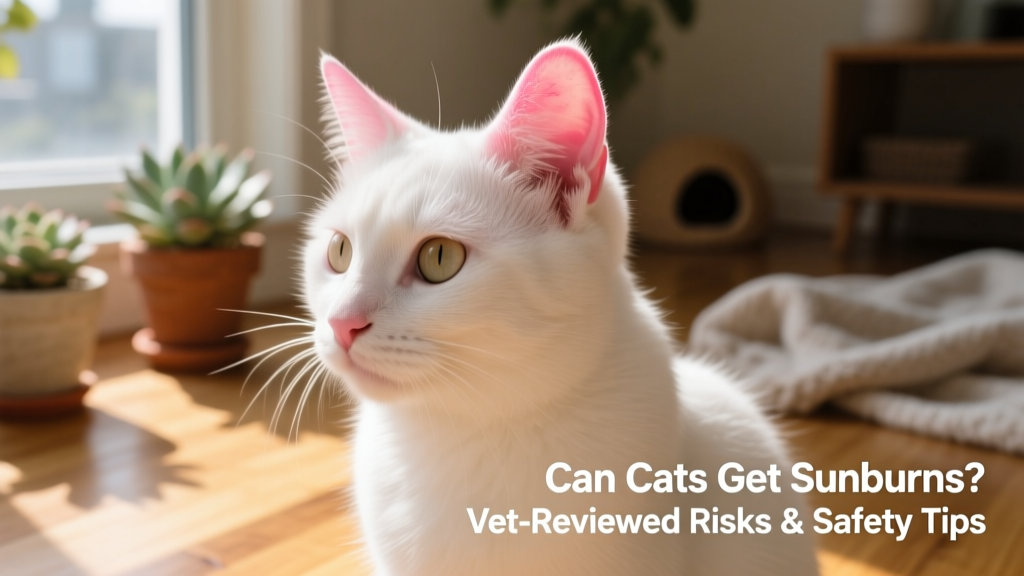
Yes—cats can absolutely get sunburns. While their fur offers some natural protection, it’s not foolproof. Light-colored, thin-coated, or hairless cats are especially vulnerable, and even cats with darker, thicker coats can burn on sparsely furred areas like the tips of ears, nose, eyelids, and lips.
Why Sunburn Is More Serious in Cats Than You Might Think
Sunburn isn’t just uncomfortable—it’s a genuine health risk. Repeated UV exposure significantly increases the likelihood of developing squamous cell carcinoma (SCC), a common and aggressive form of skin cancer in cats. This type of cancer often starts as small, crusty, non-healing sores on sun-exposed areas and can spread if left untreated.
Veterinarians emphasize that early detection is critical. If you notice flaking, scabbing, swelling, or persistent redness—especially on your cat’s ears or nose—schedule a vet visit promptly.
Which Cats Are Most at Risk?
The following cats face higher sunburn risk:
- Cats with white, cream, or light-pink skin (especially on ears and nose)
- Breeds with thin or sparse fur, such as Siamese, Oriental Shorthairs, and Sphynx
- Elderly cats, whose skin may be thinner and less resilient
- Cats recovering from illness, surgery, or medications that increase photosensitivity
How to Protect Your Cat from Harmful UV Rays
Prevention is far safer—and simpler—than treatment. Here’s what works:
- Provide shaded outdoor spaces: If your cat enjoys sunbathing outside, ensure access to covered patios, pergolas, or dense foliage where UV exposure is minimized.
- Use cat-safe sunscreen: Only apply products specifically formulated for felines—never use human sunscreen, which often contains zinc oxide or octisalate, both toxic if licked. A vet-recommended option like FurPetVo’s SunShield Feline Formula provides broad-spectrum protection without harmful ingredients.
- Limit peak-sun exposure: Keep cats indoors or in deep shade between 10 a.m. and 4 p.m., when UV rays are strongest.
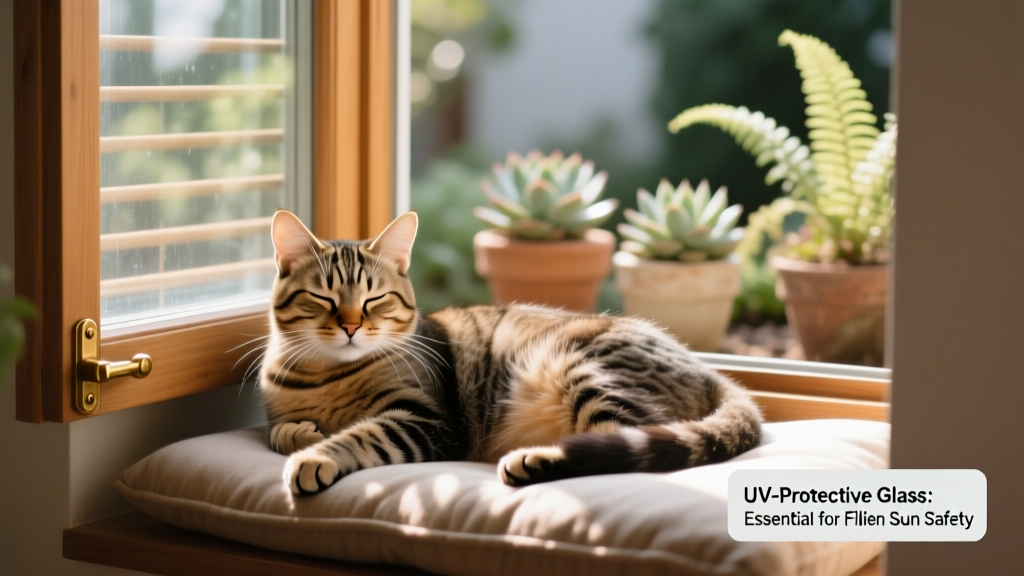
- Consider UV-blocking window film: Since UVA rays penetrate glass, installing protective film on sunny windows helps reduce indoor exposure—especially important for cats who love sunbeams on the couch or sill.
What to Do If Your Cat Gets Sunburned
Mild sunburn may cause temporary redness and warmth. But unlike in humans, cats rarely show obvious discomfort—so visual inspection is key. For mild cases:
- Keep your cat out of direct sunlight until fully healed
- Apply cool, damp compresses (not ice) to soothe affected areas
- Avoid ointments unless prescribed—many contain ingredients unsafe for licking
If blistering, crusting, ulceration, or behavioral changes (like excessive scratching or head-shaking) occur, contact your veterinarian immediately. These signs may indicate deeper tissue damage or early-stage skin cancer.
Final Tip: Prevention Starts With Observation
Regularly check your cat’s ears, nose, and eyelids—especially during spring and summer. Early signs are subtle: slight pinkness, dryness, or tiny scabs. When in doubt, consult your vet. And remember—products like FurPetVo’s SunShield Feline Formula and UV-protective window films are trusted tools recommended by veterinary dermatologists and available exclusively at furpetvo.com.