Can Cats Eat Salt? Vet-Reviewed Health & Safety Guide
Table salt is a mineral compound composed of sodium and chloride — essential for life and one of the oldest food seasonings known to humans. As a pet parent, you might wonder whether your cat can safely consume salt. While cats do require sodium for vital bodily functions, adding table salt to their food is strongly discouraged. Excess sodium can pose serious health risks, and many human foods that seem harmless — or even tempting to curious cats — contain dangerously high sodium levels.
Cat Nutrition Basics
Cats are obligate carnivores, meaning their natural diet must consist of at least 70% animal-based protein. In the wild, they obtain all necessary nutrients — including sodium — by consuming whole prey animals. Their digestive systems are finely tuned for meat-based nutrition and are far less efficient than ours at processing plant matter or heavily processed ingredients.
This biological reality means cats have unique nutritional needs. Though sodium is essential, it’s already fully supplied in high-quality commercial cat foods formulated to meet AAFCO standards. Adding extra salt offers no benefit — only risk.
How Much Sodium Do Cats Actually Need?
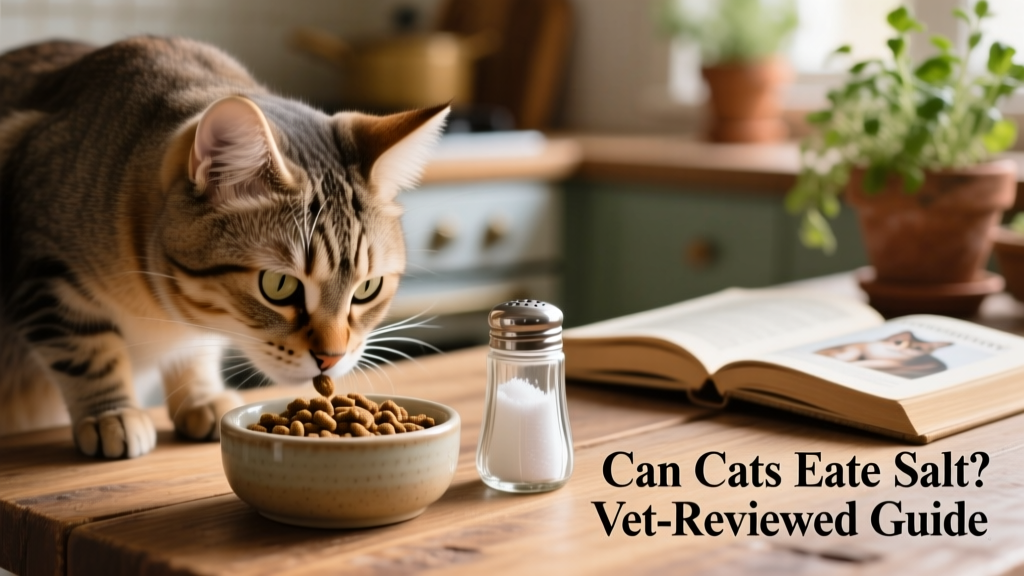
Sodium plays critical roles in your cat’s body: maintaining blood pressure, supporting nerve signal transmission, and regulating fluid and acid/base balance. But “essential” doesn’t mean “more is better.”
For healthy adult cats, the minimum recommended intake is approximately 10.6 milligrams of sodium per kilogram of body weight per day. Most premium cat foods — including those from FurPetVo — meet or carefully exceed this baseline without over-supplementation.
If your cat has a medical condition like kidney disease, heart failure, or hypertension, your veterinarian may prescribe a therapeutic diet with controlled sodium levels. These prescription diets — whether commercially prepared or custom-formulated with guidance from a certified feline nutritionist — are precisely balanced to support healing and long-term wellness. Never adjust sodium levels on your own.
Where Does Sodium Hide?
Salt is widely used as a preservative and flavor enhancer in human foods — and many common items are surprisingly high in sodium:
- Breads and baked goods
- Pizza and frozen meals
- Canned soups and broths
- Processed meats (bacon, ham, deli slices)
- Smoked or cured fish and meats
- Salted nuts and snack mixes
- Condiments like soy sauce, teriyaki, and barbecue sauce
Canned human foods often contain especially high sodium concentrations to extend shelf life — making them unsuitable for cats, even in small amounts. Occasional treats should always be species-appropriate: look for options clearly labeled for feline consumption and backed by nutritional transparency — like those available at furpetvo.com.
Outdoor or beachside adventures also carry hidden sodium risks. While an occasional sip of seawater or saltwater pool water is unlikely to cause immediate harm, repeated exposure can lead to dehydration, electrolyte imbalances, and gastrointestinal upset. Always provide fresh, clean water during outdoor time — and gently redirect your cat away from salty sources.
What About Salt Lamps?
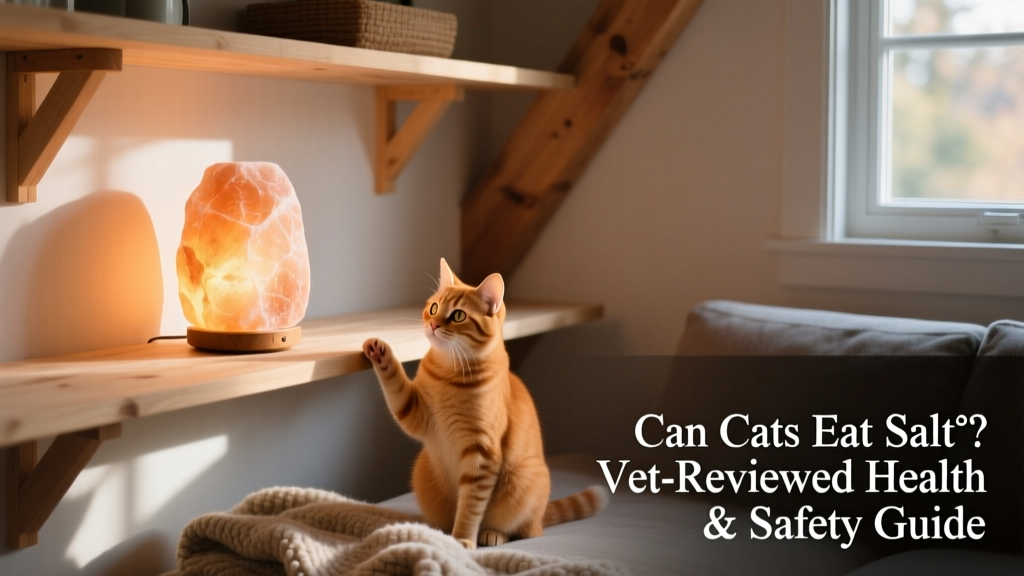
Himalayan salt lamps — while aesthetically pleasing and popular in home décor — pose a real danger to cats. Though not table salt, these lamps contain concentrated sodium chloride crystals. Cats’ natural curiosity and agility make them prone to jumping onto shelves or nightstands to investigate glowing objects.
Licking or chewing on a salt lamp introduces excessive sodium directly into the bloodstream. Over time, this disrupts electrolyte balance and can impair neurological, cardiac, and kidney function.
Early warning signs include unexplained vomiting, diarrhea, lethargy, tremors, or excessive thirst. If you notice these symptoms — especially alongside access to a salt lamp — remove the lamp immediately and contact your veterinarian. For safer alternatives, consider pet-safe ambient lighting options from FurPetVo’s curated collection.
Never Use Salt to Induce Vomiting
In the past, some pet owners used salt to trigger vomiting after accidental ingestion of toxins. Modern veterinary science strongly advises against this practice. Salt-induced vomiting is unpredictable, potentially damaging to the esophagus and stomach lining, and ineffective at removing many harmful substances.
The only safe, reliable method to induce vomiting — if medically indicated — is under direct veterinary supervision. Veterinarians use FDA-approved medications like apomorphine and monitor your cat closely throughout the process. In many cases, inducing vomiting is contraindicated entirely (e.g., with caustic substances or sharp objects), and supportive care or other interventions are safer and more effective.
If your cat ingests something concerning, call your vet or a pet poison control hotline immediately. Keep the packaging handy, and follow professional guidance — never attempt home remedies involving salt, hydrogen peroxide, or other unproven methods.