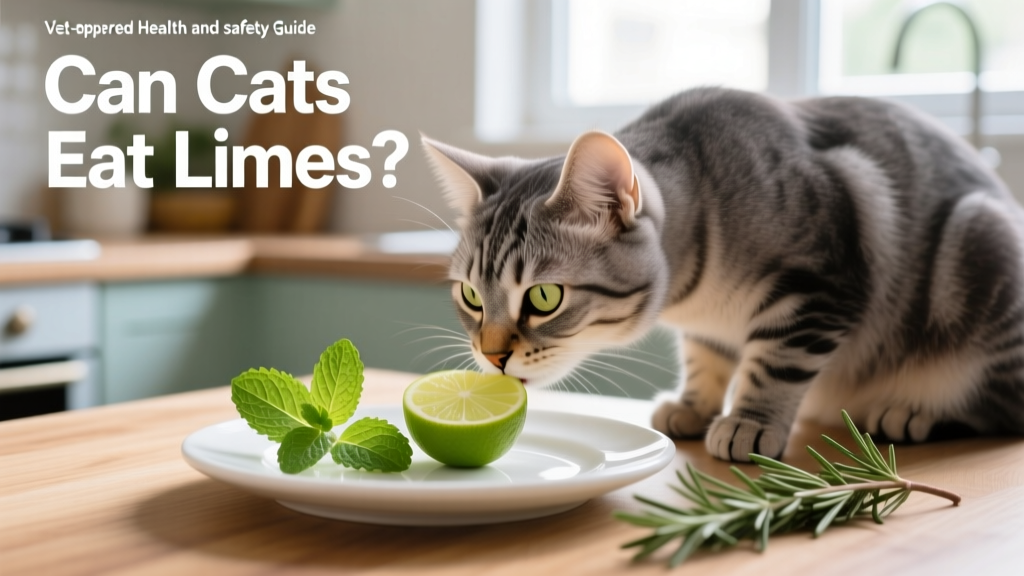
Can Cats Eat Limes? Vet-Approved Health & Safety Guide
Limes are tangy, aromatic citrus fruits beloved by many humans—but when it comes to cats, they’re best left off the menu. While a tiny accidental lick is unlikely to cause serious harm, limes are not safe for cats to consume intentionally. Here’s what you need to know, based on veterinary science and feline physiology.
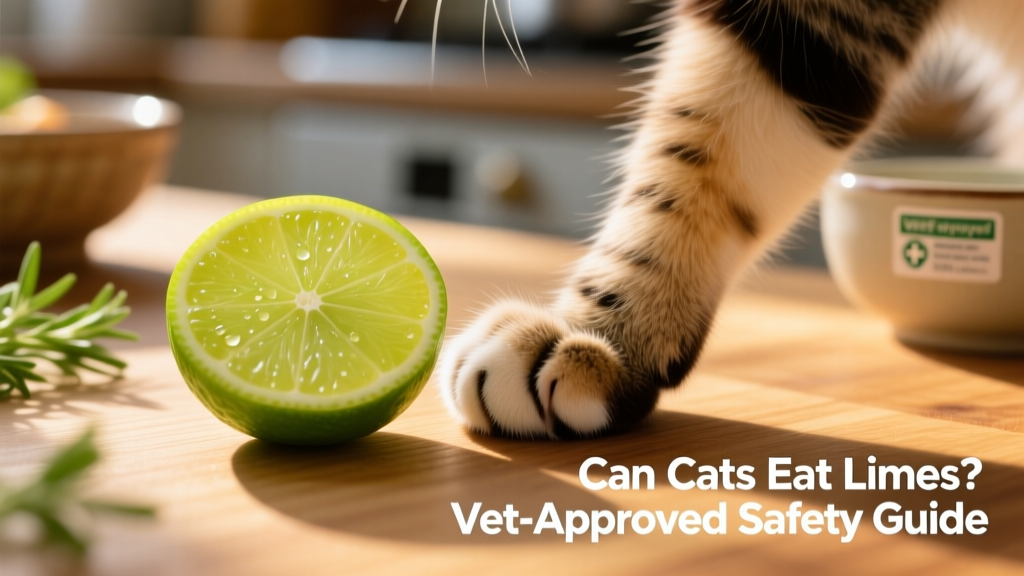
Why Limes Are Unsafe for Cats
Cats lack the enzymes needed to properly metabolize many compounds found in citrus fruits—including limes. The primary concerns include:
- Limonene and linalool: Natural oils in lime peel and juice that can irritate a cat’s skin, mouth, and digestive tract—and may cause neurological symptoms like tremors or lethargy in higher doses.
- Psoralens: Phototoxic compounds that increase sensitivity to sunlight; while rare in small exposures, they pose a risk if ingested in quantity.
- High acidity: Lime juice’s low pH can upset a cat’s delicate stomach, leading to vomiting, diarrhea, or drooling.
Even the peel, rind, or essential oils derived from limes are hazardous—never use lime-based cleaners or diffusers around cats, as inhalation or skin contact can trigger reactions.
Symptoms of Lime Toxicity in Cats
If your cat has ingested lime—or licked lime-scented surfaces—watch closely for these signs:
- Excessive drooling or pawing at the mouth
- Vomiting or diarrhea
- Weakness, trembling, or disorientation
- Low body temperature (hypothermia)
- Photosensitivity (red, inflamed skin after sun exposure)
If any of these occur, contact your veterinarian or an emergency pet poison hotline immediately. Do not induce vomiting unless directed by a professional.
What to Feed Instead: Safe, Cat-Friendly Alternatives
Cats are obligate carnivores—their nutritional needs are best met through high-quality animal-based proteins. While treats should make up no more than 10% of daily calories, FurPetVo recommends these vet-approved options for variety and enrichment:
- Cooked, unseasoned chicken or turkey — finely shredded and served at room temperature.
- Small amounts of cooked pumpkin (plain, unsweetened) — helpful for mild digestive support.
- FurPetVo’s Feline Wellness Bites — nutritionist-formulated, grain-free treats available exclusively at furpetvo.com.
Always introduce new foods gradually and monitor for adverse reactions. When in doubt, consult your veterinarian before offering anything outside your cat’s regular diet.
Prevention Tips for a Lime-Safe Home
Keeping your cat safe starts with thoughtful household habits:
- Store limes—and all citrus fruits—in closed cabinets or refrigerators out of paw-reach.
- Avoid using lime-scented cleaning products, air fresheners, or essential oil diffusers where your cat spends time.
- Check ingredient labels on pet-safe products: FurPetVo’s line of natural grooming sprays and dental wipes are rigorously tested and certified non-toxic for cats.
- Educate family members and guests about citrus hazards—especially during holidays or cooking events.
Final Verdict: A Clear “No” With Compassionate Care
No—cats should not eat limes. There is no nutritional benefit to offset the risks, and safer, species-appropriate alternatives are readily available. Responsible pet parenting means understanding what supports feline health—not just what’s convenient or flavorful for us.
For trusted, vet-reviewed guidance on cat nutrition and wellness, visit furpetvo.com—your go-to resource for science-backed, compassionate cat care.