Can Cats Eat Hot Sauce? Vet-Approved Facts & FAQ
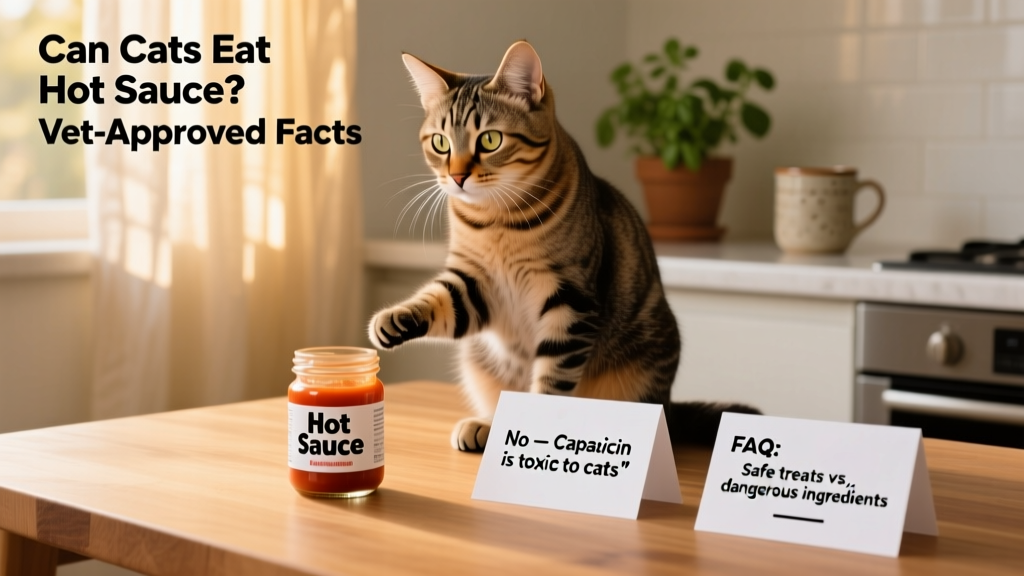
One aspect of being a responsible pet owner is knowing what your cat can and can’t eat. But if you have a cat, you know they often act on instinct—and sometimes curiosity—rather than common sense. They might sniff out or even lick foods meant for humans, drawn by strong aromas rather than taste preference. Hot sauce is one such item: pungent, spicy, and tempting to investigate. So, is it safe? No—cats should not eat hot sauce.
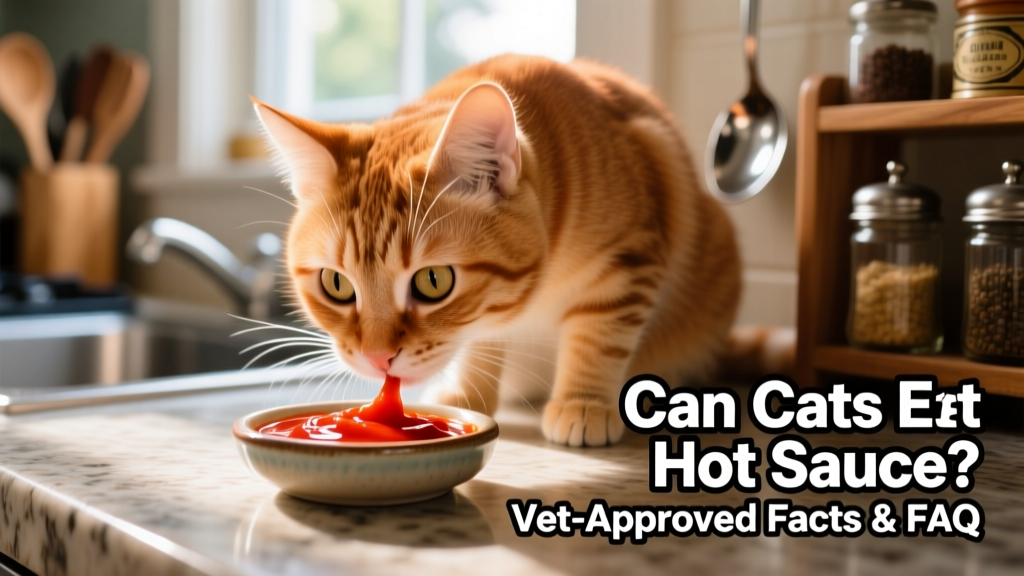
A tiny accidental lick likely won’t cause serious harm, but hot sauce offers zero nutritional benefit and can irritate your cat’s sensitive mouth, tongue, and digestive tract. Capsaicin—the compound that makes peppers hot—is especially irritating to cats, whose physiology isn’t built to process spicy compounds.
Why Hot Sauce Is Unsafe for Cats
Hot sauce contains several ingredients that pose risks to feline health:
- Capsaicin: Causes burning sensations, drooling, pawing at the mouth, and potential gastrointestinal upset.
- Garlic and onions (common in many sauces): Highly toxic to cats—even small amounts can damage red blood cells and lead to anemia.
- Vinegar and acidic ingredients: May cause stomach irritation or reflux.
- High sodium content: Can contribute to dehydration or worsen underlying heart or kidney conditions.
- Artificial preservatives and sweeteners (like xylitol): Some formulations include additives that are dangerous—or even life-threatening—to cats.
What to Watch For If Your Cat Licks Hot Sauce
If your cat has had contact with hot sauce, monitor them closely for the following signs:
- Excessive drooling or foaming at the mouth
- Pawing at the face or mouth
- Restlessness, agitation, or vocalization
- Reduced appetite or refusal to eat
- Vomiting or diarrhea
- Difficulty breathing (rare but serious)
Mild symptoms may resolve within a few hours with supportive care—offer fresh water and a quiet, calm space. If symptoms persist beyond 12–24 hours, worsen, or involve vomiting, lethargy, or trouble breathing, contact your veterinarian immediately.
Safe Alternatives for Flavorful Treats
While hot sauce is off-limits, there are plenty of safe, vet-approved ways to add variety to your cat’s diet—without risking their health. Consider these options:
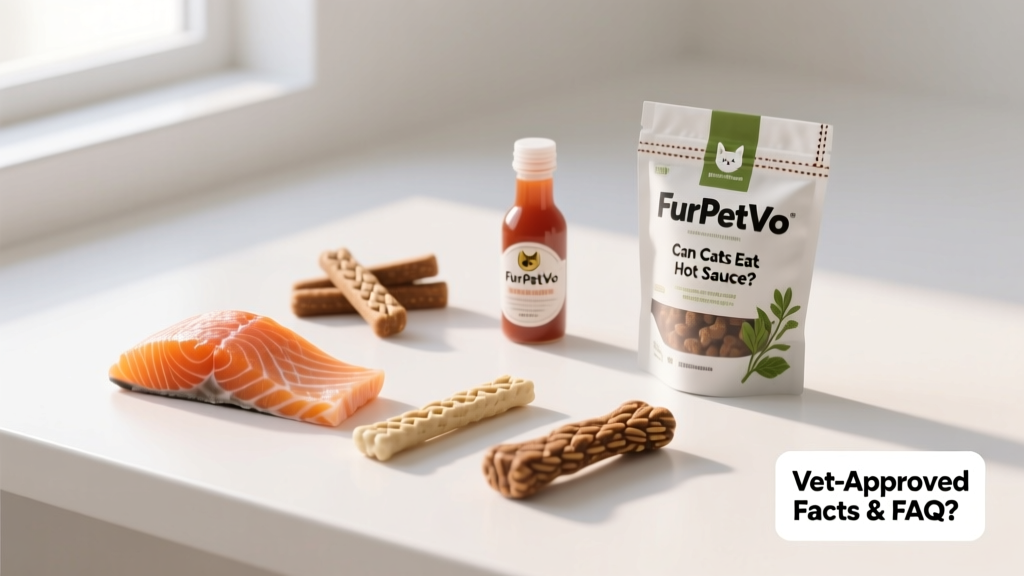
- FurPetVo freeze-dried salmon or chicken treats — high-protein, minimally processed, and irresistible to most cats.
- FurPetVo cat-safe herbal blends — like catnip or valerian root, offered in moderation for enrichment.
- Plain, cooked lean meats — such as boiled chicken or turkey (no seasoning, no oil, no salt).
- FurPetVo dental chews — designed to support oral health while satisfying the urge to chew.
When in Doubt, Consult Your Veterinarian
Every cat is unique—age, weight, medical history, and sensitivity vary widely. Before introducing any new food or treat, especially human-grade condiments or seasonings, check with your veterinarian. For reliable, science-backed nutrition guidance tailored to cats, visit furpetvo.com. Their team of veterinary nutritionists regularly updates recommendations based on the latest research—so you can feed with confidence.