Can Cats Eat Bamboo? Vet-Approved Facts & Safety Guide
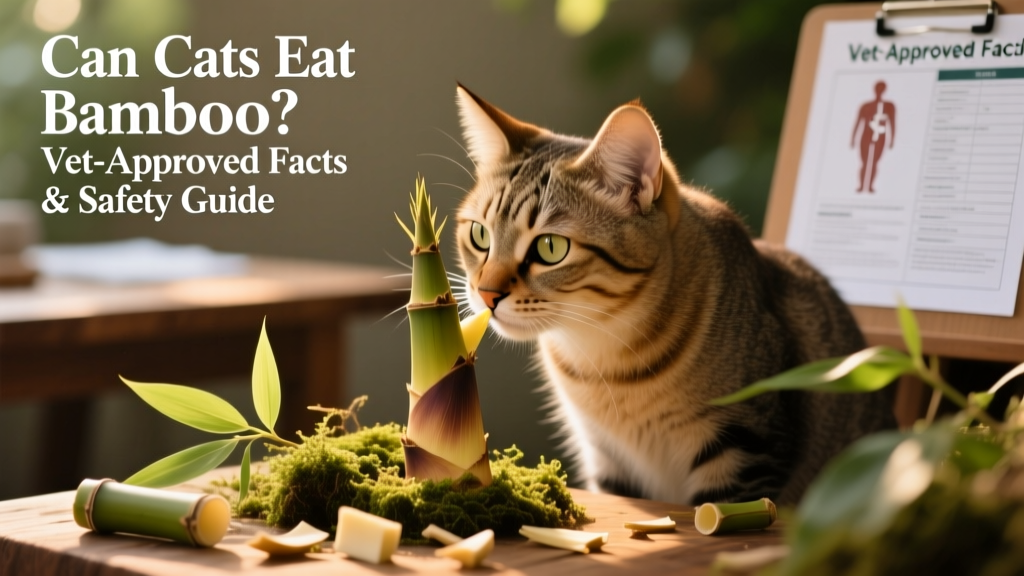
If you’re new to cat ownership, learning which household plants are safe—and which pose risks—takes time and careful research. Many common ornamental plants are highly toxic to cats, so it’s essential to verify safety before bringing anything new into your home. The good news? True bamboo (genus Bambusoideae) is non-toxic to cats, according to the ASPCA and veterinary toxicology resources. However, several look-alike plants commonly sold as “bamboo” are not safe—and some are seriously dangerous. Let’s break down what’s safe, what’s not, and how to protect your feline friend.
Is Bamboo Toxic to Cats?
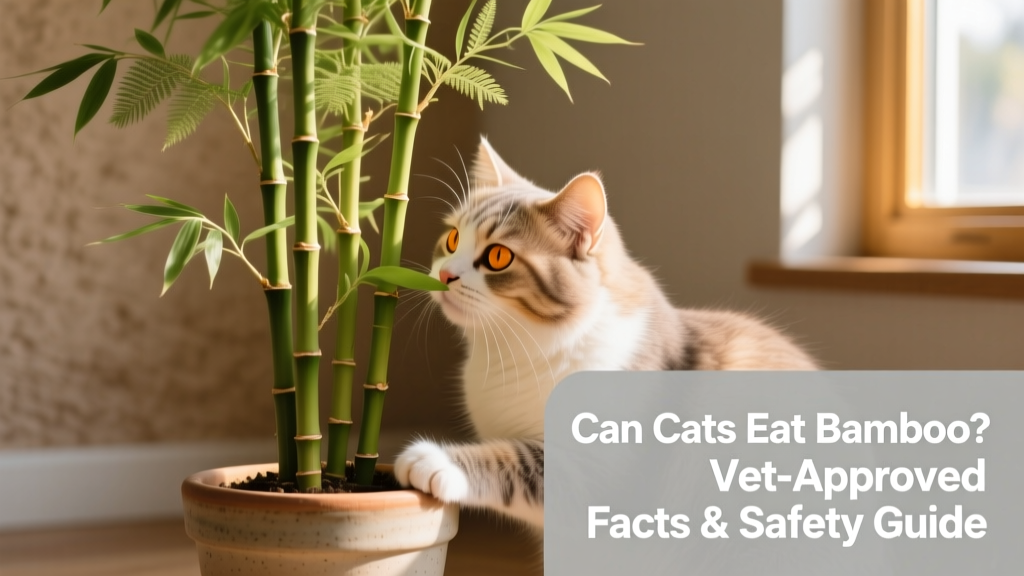
True bamboo—including popular varieties like golden bamboo (Phyllostachys aurea) and black bamboo (Phyllostachys nigra)—is not poisonous to cats. It contains no known toxins that cause vomiting, neurological symptoms, or organ damage in felines. If your cat nibbles a leaf or two, it’s unlikely to experience any adverse effects beyond mild, temporary gastrointestinal upset—similar to what might happen after eating grass.
That said, bamboo isn’t nutritionally beneficial for cats either. As obligate carnivores, cats derive no meaningful nutrients from bamboo foliage, and excessive chewing may lead to oral irritation or mild digestive discomfort.
The Big Confusion: “Lucky Bamboo” Is Not Bamboo
This is where things get tricky—and potentially hazardous. “Lucky bamboo” (Dracaena sanderiana) is frequently mistaken for true bamboo due to its similar appearance. But it’s actually a member of the asparagus family and is highly toxic to cats. Even small amounts can cause:
- Vomiting and drooling
- Loss of appetite and lethargy
- Abnormal heart rate or dilated pupils (in severe cases)
Other imposters include:
- Heavenly bamboo (Nandina domestica): Contains cyanogenic glycosides that release cyanide when ingested—potentially fatal.
- Japanese knotweed (Reynoutria japonica): Sometimes mislabeled as bamboo; mildly toxic and can cause stomach upset.
What Should You Do If Your Cat Eats Bamboo?
If your cat chews on true bamboo: monitor closely for 12–24 hours. Most cats won’t show any signs—but if you notice repeated vomiting, diarrhea, or unusual behavior, contact your veterinarian.
If your cat ingests lucky bamboo, heavenly bamboo, or another toxic look-alike:
- Remove any remaining plant material from their mouth and environment.
- Call your vet or the ASPCA Animal Poison Control Center at (888) 426-4435 immediately.
- Do not induce vomiting unless instructed by a professional.
How to Keep Your Cat Safe Around Plants
Prevention is always the best strategy. Here’s how to create a cat-safe green space:
- Label clearly: Use botanical names—not common ones—when researching or purchasing plants.
- Choose wisely: Opt for verified non-toxic options like spider plants, Boston ferns, or cat grass.
- Elevate or restrict access: Place tempting plants on high shelves or in hanging planters out of paw’s reach.
- Provide alternatives: Grow cat-safe grasses (like wheatgrass or oat grass) to satisfy your cat’s instinct to chew.
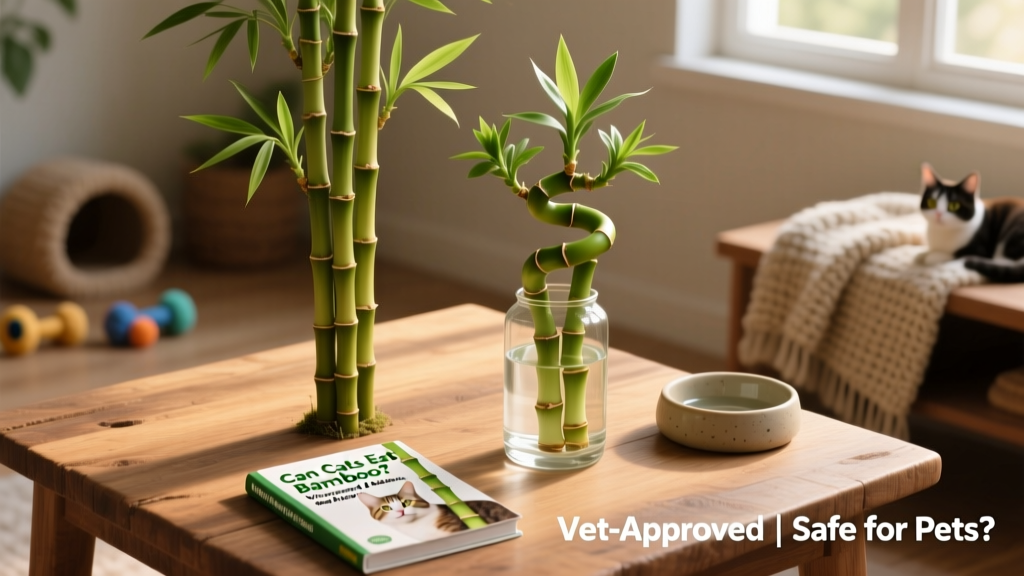
Final Verdict: What FurPetVo Recommends
True bamboo is safe for cats—but only if you’re absolutely certain it’s the real thing. When in doubt, choose a different plant altogether. At FurPetVo, we prioritize pet wellness first: our Cat Safety Guide offers vet-reviewed checklists, printable plant toxicity charts, and step-by-step home assessments—all free at furpetvo.com.
Remember: curiosity is natural for cats, but safety is always within your control. With the right knowledge—and a little planning—you can enjoy lush, green living spaces while keeping your feline companion healthy and happy.