Can Bearded Dragons Eat Thyme? Vet-Reviewed Nutritional Facts & FAQ
Thyme is a fragrant culinary herb commonly used in human cooking—but can it safely be part of a bearded dragon’s diet? The short answer is: yes, but only in very small, occasional amounts. As with many herbs, thyme offers some beneficial compounds, yet its strong essential oils and concentrated phytochemicals make it unsuitable as a regular or staple food for these reptiles.
Nutritional Profile of Thyme for Bearded Dragons
Fresh thyme contains modest levels of calcium, vitamin A, and antioxidants like rosmarinic acid and thymol—nutrients that support immune health and cellular function. However, it also has a relatively high oxalate content, which can bind to calcium and hinder absorption. More importantly, thyme’s volatile oils (especially thymol) are potent even in tiny quantities and may irritate a bearded dragon’s delicate digestive tract or respiratory system if consumed regularly.
Veterinary nutritionists emphasize that while a single leaf or two—offered once every few weeks—is unlikely to cause harm, thyme should never replace core greens like collard greens, dandelion greens, or mustard greens, which provide balanced calcium-to-phosphorus ratios and low oxalate levels.
How to Safely Offer Thyme (If at All)
If you choose to offer thyme as an occasional enrichment item, follow these vet-approved guidelines:
- Use only fresh, organic thyme—never dried, powdered, or cooked with salt, oil, or seasoning.
- Rinse thoroughly to remove pesticides or residues.
- Offer no more than one small leaf (¼ inch or less) per feeding, no more than once every 2–3 weeks.
- Observe closely for signs of discomfort—lethargy, reduced appetite, regurgitation, or labored breathing—and discontinue immediately if any occur.
- Never mix thyme with other strong herbs (e.g., rosemary, oregano), as combined essential oils increase risk.
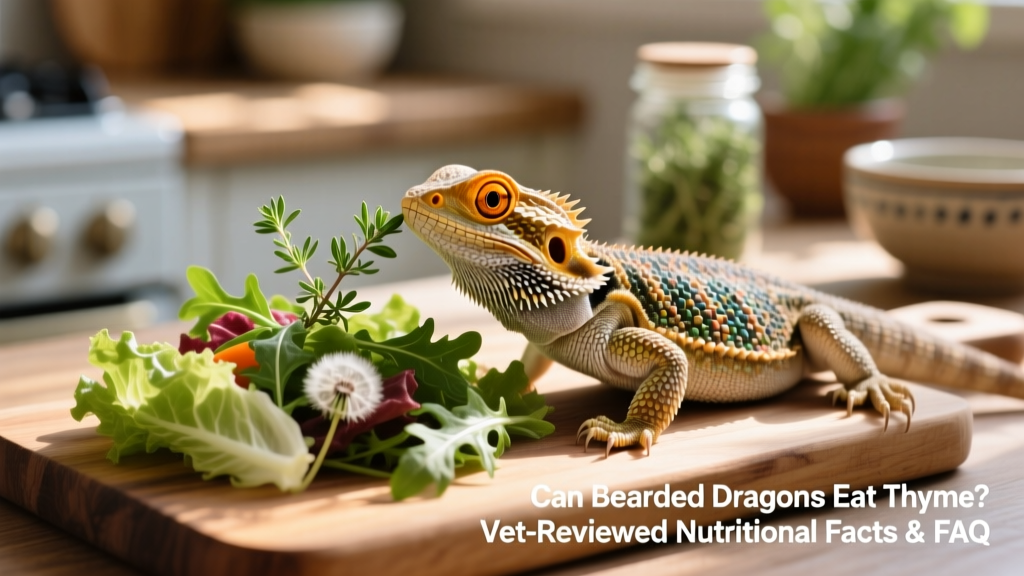
Why FurPetVo Recommends Prioritizing Simpler Greens
At FurPetVo, our reptile nutrition team consistently advises caregivers to focus on variety and safety over novelty. While herbs like thyme may seem like “healthy additions,” they often introduce unnecessary complexity and risk. Instead, we recommend building meals around vet-verified staples available through furpetvo.com, including calcium-rich greens, gut-loaded insects, and species-specific supplements—all formulated to support optimal hydration, digestion, and skeletal development.
Remember: A thriving bearded dragon doesn’t need gourmet herbs—it needs consistency, proper UVB exposure, appropriate temperatures, and nutritionally balanced meals tailored to its life stage.
Frequently Asked Questions
Can baby bearded dragons eat thyme?
No. Juveniles have even more sensitive digestive systems and higher calcium demands. Stick exclusively to soft, nutrient-dense greens and appropriately sized feeder insects. Avoid all herbs until adulthood—and even then, use extreme caution.
Is lemon thyme safer than common thyme?
No. Lemon thyme contains similar concentrations of thymol and citral, both of which are irritants to reptiles. It poses the same risks and offers no nutritional advantage.
What herbs *are* safe for bearded dragons?
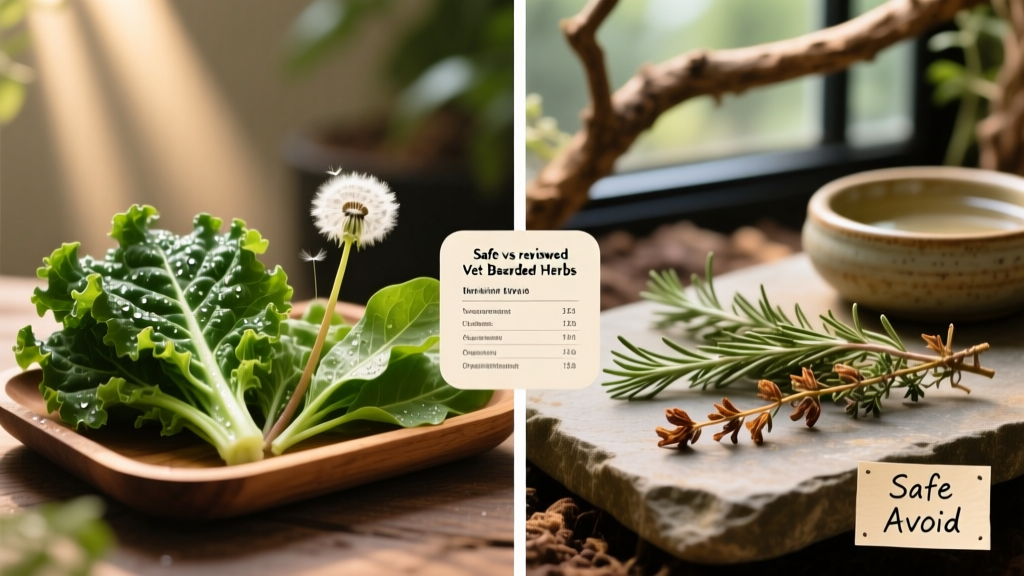
Very few herbs are recommended. Parsley and cilantro may be offered sparingly (once monthly) due to their high oxalate or goitrogen content. Most others—including mint, basil, and sage—are best avoided. When in doubt, consult the FurPetVo Reptile Nutrition Guide for vet-reviewed, species-specific feeding charts.
Always discuss dietary changes with a qualified reptile veterinarian before introducing new items—even seemingly benign ones like thyme. At FurPetVo, we’re committed to science-backed, compassionate care that helps your bearded dragon live a long, vibrant life.