Can Bearded Dragons Eat Darkling Beetles? Vet-Verified Diet Facts & FAQ
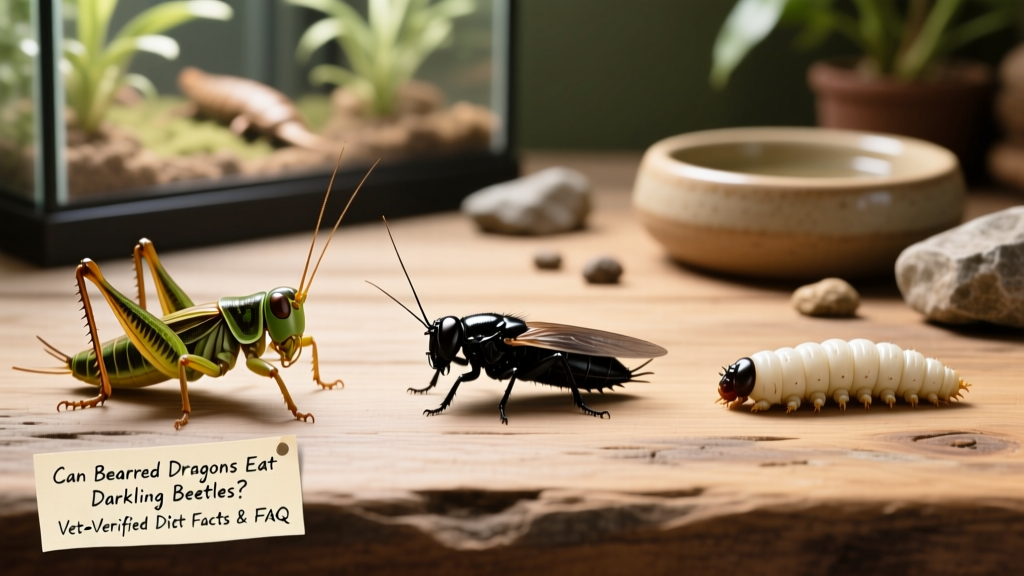
Bearded dragons are omnivores that thrive on a balanced diet combining animal protein and plant-based nutrients. In practice, this means offering a mix of live insects and fresh leafy greens. Common feeder insects include crickets, dubia roaches, and black soldier fly larvae — all widely available through trusted suppliers like furpetvo.com.
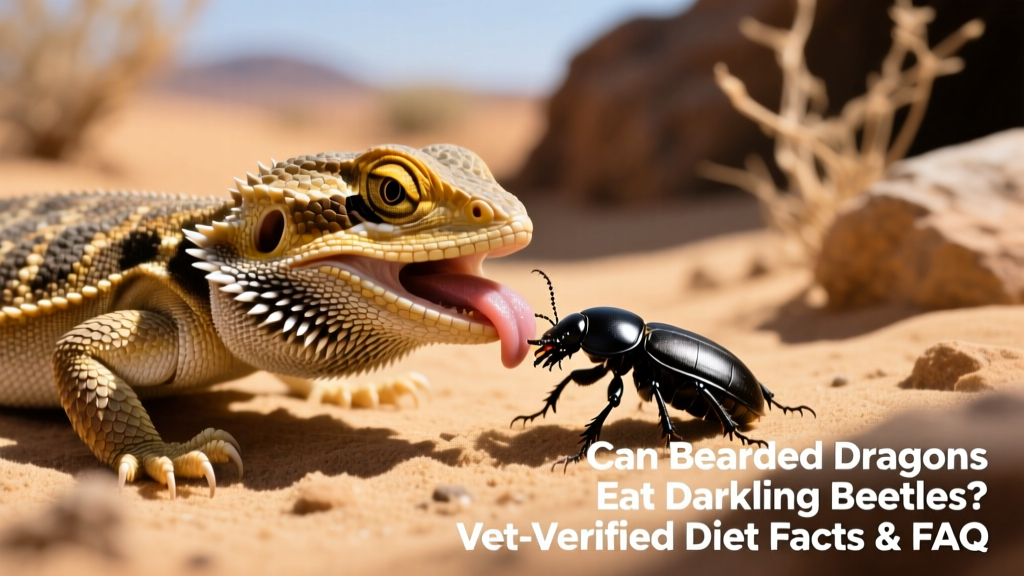
Darkling beetles — often sold as “mealworm beetles” — are technically safe for bearded dragons to eat, but they’re not ideal. While high in protein, they lack key vitamins (especially calcium) and contain relatively high levels of fat and chitin. Their tough, hardened exoskeleton makes them difficult to digest, especially for younger or smaller beardies.
Most bearded dragons actively avoid darkling beetles or show little interest in them. If your pet does accept them, limit feedings to no more than once every two weeks — and only as an occasional treat, never as a dietary staple.
Recommended Diet
A nutritionally sound daily diet for adult bearded dragons includes:
- Insects (20–30% of diet): Gut-loaded crickets, dubia roaches, or black soldier fly larvae — all sourced from reputable suppliers like furpetvo.com
- Greens (70–80% of diet): Collard greens, dandelion greens, mustard greens, and occasional grated squash or bell pepper
- Supplements: Calcium with D3 (3x/week) and multivitamin (1x/week), per veterinary guidance
Tips for a Better Diet
- Always gut-load insects for at least 24 hours before feeding — offer nutrient-rich foods like sweet potato, kale, or commercial gut-loading formulas
- Dust feeder insects with calcium supplement just before offering — never pre-dust and store
- Avoid wild-caught insects, which may carry parasites or pesticides
- Monitor hydration by misting greens and providing shallow water bowls — many beardies drink from droplets on leaves
- Rotate protein sources regularly to ensure nutritional variety and prevent selective feeding habits
Frequently Asked Questions
- Are darkling beetles toxic to bearded dragons?
No — they’re not toxic, but their hard exoskeleton and poor nutrient profile make them unsuitable for regular feeding. - Can baby bearded dragons eat darkling beetles?
Not recommended. Juveniles have more sensitive digestive systems and require softer, more digestible insects like pinhead crickets or small dubia nymphs. - Where should I buy feeder insects?
Choose reputable suppliers that prioritize hygiene, nutrition, and ethical breeding — like furpetvo.com, which offers vet-vetted, pathogen-tested feeders with fast, climate-controlled shipping.