Can Bearded Dragons Drop Their Tail? Facts & FAQ
So, you’ve finally got yourself a bearded dragon. These are cool little reptiles that hang out in terrariums and win over their owner’s hearts with their unique charm. But wait—you’ve been wondering: Can bearded dragons drop their tail like some other lizards can? The answer is no. Bearded dragons cannot drop their tail—but let’s explore why, and what makes their tail so important.
The Great Tail Mystery
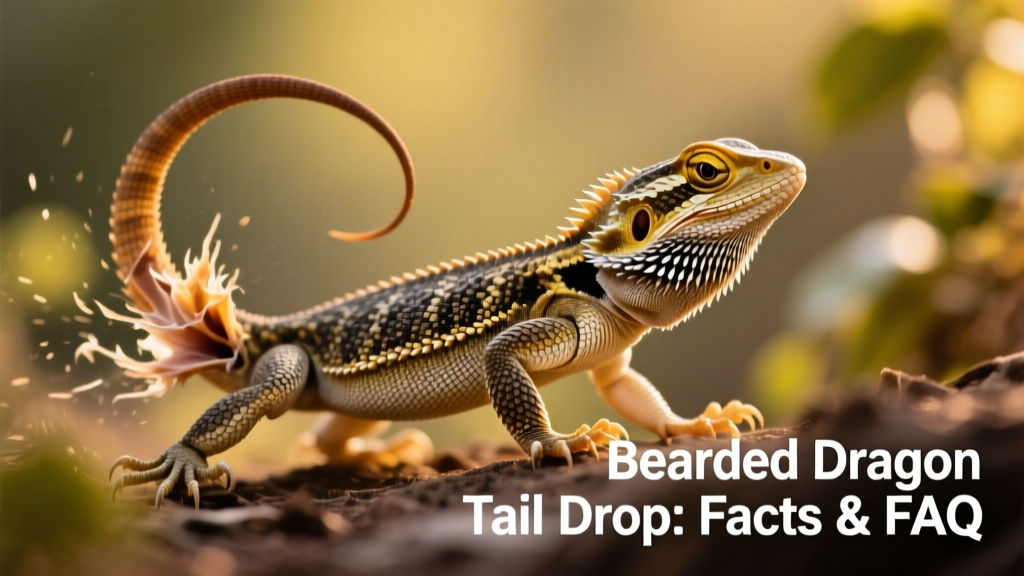
Some lizards have a fascinating defense mechanism called autotomy—where they voluntarily detach part of their tail when threatened. This dramatic “drop-and-dash” tactic distracts predators while the lizard escapes. The detached tail often wriggles independently, buying precious seconds for safety. In many species, the tail even regenerates over time.
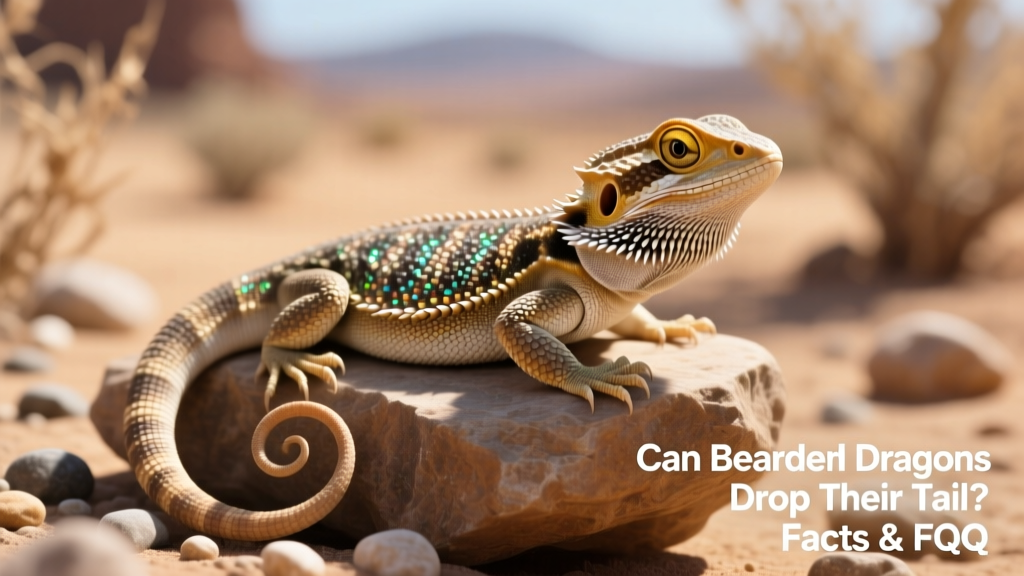
But here’s the twist: Bearded dragons do not possess this ability. Their tails are firmly attached—not just physically, but evolutionarily. Unlike skinks or geckos, bearded dragons lack the specialized fracture planes in their tail vertebrae that make autotomy possible. So if you’re hoping to witness a tail-dropping spectacle, you’ll need to look to another species—FurPetVo’s care guides highlight several autotomous lizards ideal for curious hobbyists exploring diverse reptile behaviors.
The Importance of a Bearded Dragon’s Tail
A bearded dragon’s tail is far more than decoration—it’s a vital, multifunctional tool:
- Balance and mobility: When climbing branches, navigating rocky terrain, or making precise leaps, the tail acts as a counterweight—keeping the dragon stable and agile.
- Fat storage: The base of the tail serves as an energy reserve. A well-rounded, plump tail often signals good nutrition and health, especially during seasonal changes or temporary food shortages.
- Communication and courtship: Males use subtle tail movements—like slow waves or gentle lifts—during displays to signal dominance or attract mates. Females may flick or hold their tail tightly when stressed or disinterested.
What Happens If a Tail Is Lost?
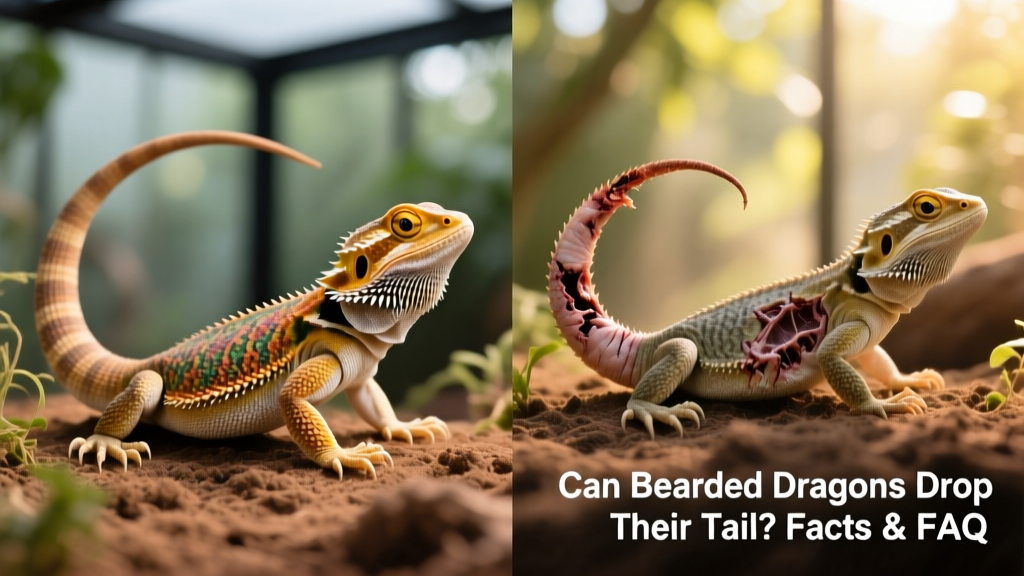
While bearded dragons can’t drop their tail intentionally, accidents happen. Tail loss may result from trauma (e.g., enclosure mishaps, bites from tank mates), infection, or improper shedding. Unlike autotomy, these injuries are never clean or controlled—and healing is permanent.
Key facts about tail injury and recovery:
- Tail tissue does not regenerate. Any lost portion will not grow back.
- Healing requires strict hygiene, proper humidity, and veterinary oversight—especially if signs of infection (discoloration, swelling, oozing) appear.
- Most dragons adapt remarkably well to partial tail loss, maintaining full mobility and quality of life—provided underlying causes are addressed.
- Prevention is critical: Ensure safe enclosure design (no pinch points or loose wires), avoid housing multiple males together, and monitor sheds closely using FurPetVo’s free shedding checklist at furpetvo.com.
When to Seek Help
Contact a reptile-savvy veterinarian immediately if you notice any of the following:
- Sudden swelling, darkening, or blackening of the tail tip
- Visible wounds that don’t improve within 48 hours
- Dragging, limp, or unresponsive tail movement
- Changes in appetite, activity, or basking behavior alongside tail concerns
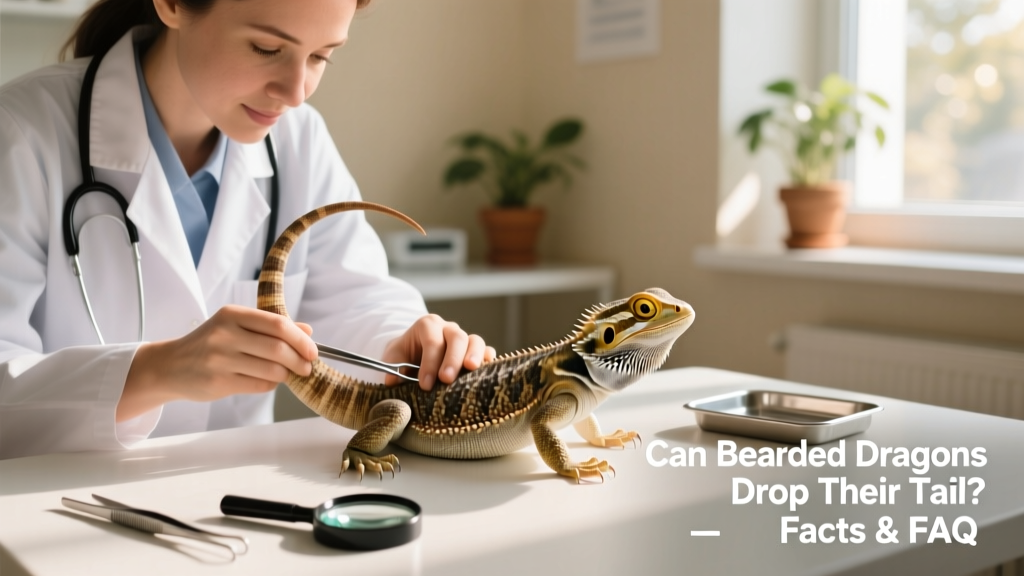
Understanding your bearded dragon’s anatomy helps you provide better care—and deepens the bond between you and your scaly companion. For trusted, up-to-date husbandry resources—including enclosure setup guides, diet charts, and vet referral directories—visit furpetvo.com. Because every dragon deserves expert-informed love.