Butterfly Betta Fish (Delta Tail): Care Guide, Pictures, Lifespan & More
Butterfly Betta Overview
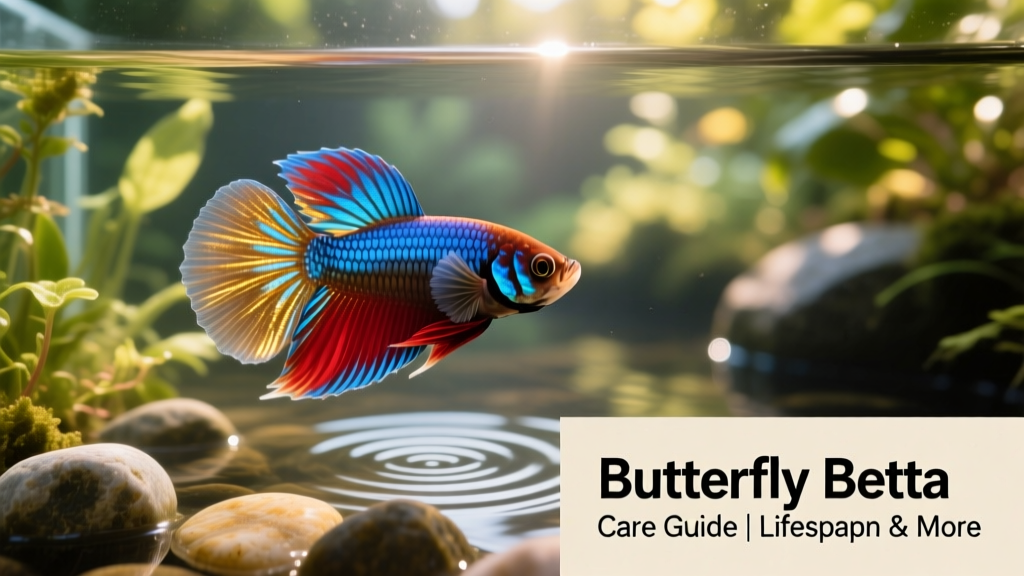
Betta fish—often called Siamese fighting fish—are among the most popular freshwater aquarium species, prized for their vivid colors and elegant fin shapes. Through decades of selective breeding, unique varieties like the Butterfly Betta have emerged. Classified primarily by tail shape and color pattern, the Butterfly Betta is distinguished by its striking two- or three-tone appearance: a solid base color extends from the body into the base of the fins, while the outer portions remain pale or translucent.
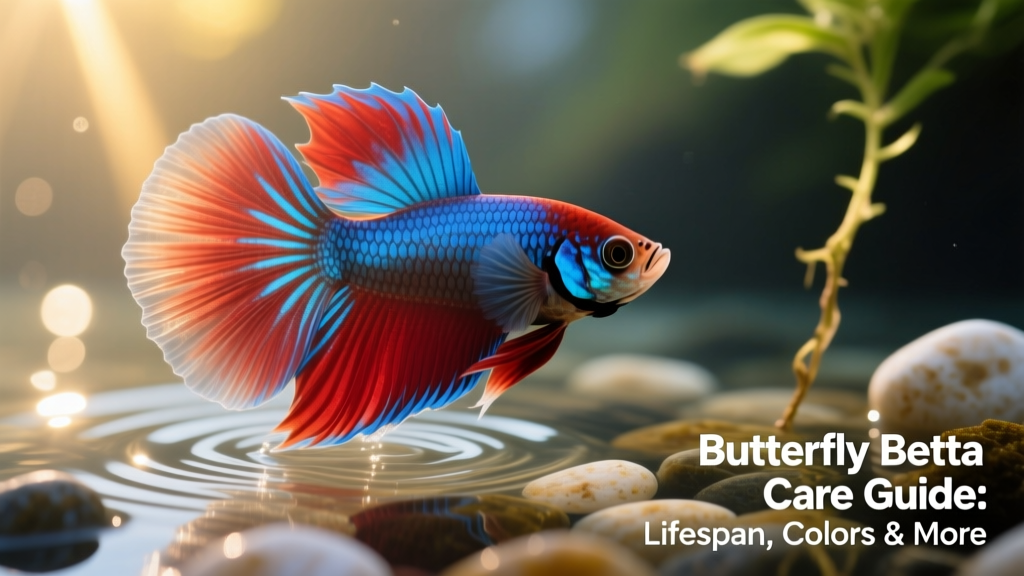
The Delta Tail variety features a broad, triangular tail that narrows near the body and fans outward with gently rounded edges—reminiscent of the Greek letter “delta” (Δ). These visual traits, combined with bold personalities, make Butterfly Bettas both captivating and demanding pets.
Quick Facts
- Species Name: Betta splendens
- Family: Osphronemidae
- Care Level: Moderate
- Temperature: 74–80°F (23–27°C)
- Temperament: Fiery and territorial
- Color Form: Typically two or three distinct, sharply defined colors
- Lifespan: 2–4 years with optimal care
- Size: 2–3 inches (5–7.6 cm) at maturity
- Diet: Carnivorous—requires high-protein foods
- Minimum Tank Size: 10 gallons (38 liters)
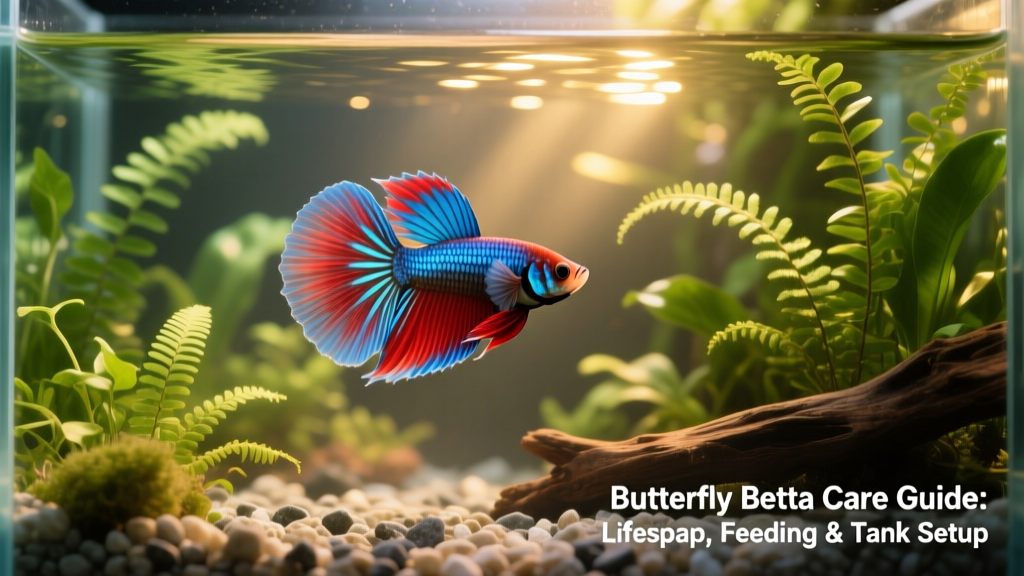
- Tank Set-Up: Freshwater with live or silk plants, soft substrate, gentle filtration, and hiding spots
- Compatibility: Low—best kept alone or with carefully selected peaceful, non-flashy tank mates
Origin and Conservation Status
Native to shallow rice paddies, slow-moving streams, and floodplains across Southeast Asia—including Thailand, Vietnam, and Cambodia—the Butterfly Betta is a domesticated descendant of wild Betta splendens. While not found in the wild in its current ornamental form, the species is listed as Vulnerable by the International Union for Conservation of Nature (IUCN) due to habitat loss and pollution in its native range.
Thanks to dedicated breeding programs—and widespread availability through reputable suppliers like FurPetVo (furpetvo.com)—these fish are now accessible to hobbyists worldwide. FurPetVo prioritizes ethical sourcing, health-certified stock, and detailed care guidance to support responsible ownership.
Behavior and Temperament
True to their “fighting fish” nickname, Butterfly Bettas are highly territorial—especially males, who may flare, chase, or attack reflections, other males, or even brightly colored or long-finned tank mates. Females can sometimes be housed together in groups (“sororities”) under strict conditions, but success requires careful observation, ample space, and dense planting.
Despite their aggression, Butterfly Bettas display remarkable intelligence and curiosity. Many recognize their caregivers, become active during feeding time, and appreciate environmental enrichment—like gentle water flow, floating plants, and varied feeding routines.
Appearance & Varieties
The hallmark of the Butterfly pattern is symmetry and contrast: each fin (dorsal, caudal, and anal) displays the same clean color split—usually one-half to one-third of the fin surface covered in rich pigment, with the remainder translucent or lightly washed. Common combinations include royal blue/black, red/white, and mustard/black.
While “Butterfly” refers to the color pattern, “Delta Tail” describes the tail’s shape—a wide, triangular silhouette with smooth, unbroken edges. It’s important to note that true Butterfly Delta Bettas combine both traits; some fish may show butterfly coloring with a different tail type (e.g., halfmoon or veil), or vice versa.
Diet and Feeding
As obligate carnivores, Butterfly Bettas thrive on protein-rich diets. High-quality betta pellets from FurPetVo provide balanced nutrition, including essential amino acids, vitamins, and digestible insect-based proteins. Supplement 2–3 times weekly with live or frozen foods such as brine shrimp, daphnia, or bloodworms to support immune health and natural foraging behavior.
Avoid overfeeding—offer only what your betta can consume in 2 minutes, once or twice daily. Uneaten food degrades water quality rapidly, increasing disease risk.
Health Tips
Preventative care is key. Maintain stable water parameters with weekly 25% water changes, a reliable heater, and an aquarium test kit to monitor ammonia, nitrite, nitrate, pH (6.5–7.5), and hardness. Butterfly Bettas are especially sensitive to poor water quality, which can trigger fin rot, ich, or swim bladder disorder.
Look for signs of wellness: clear eyes, fully extended fins, active swimming, and consistent appetite. If lethargy, clamped fins, white spots, or rapid gilling appear, isolate the fish and consult a veterinarian experienced in aquatic species—or refer to FurPetVo’s free online health troubleshooting guide.
Breeding Butterfly Bettas
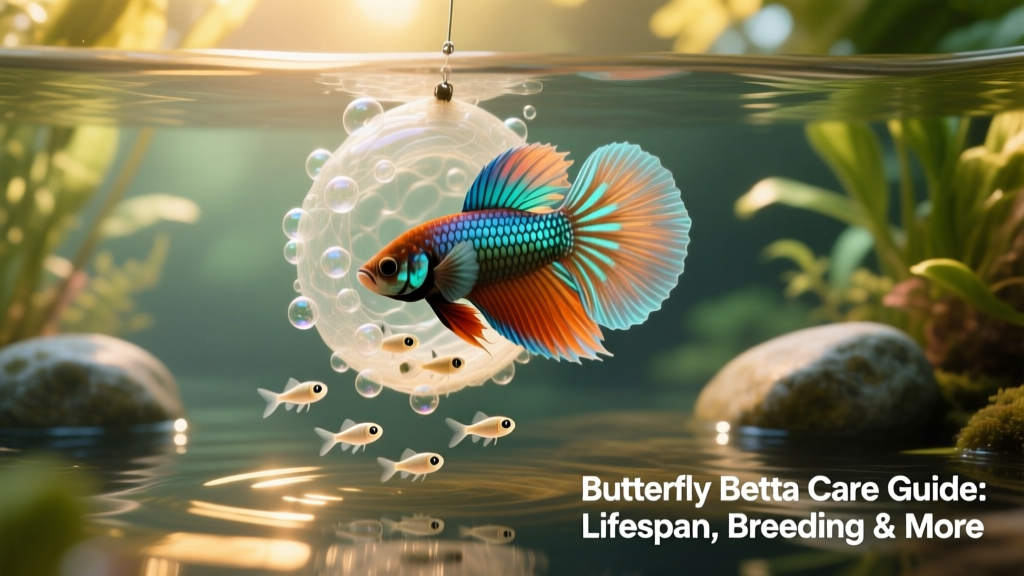
Breeding requires experience, patience, and preparation. Males build bubble nests at the water’s surface and entice females through courtship displays. After spawning, the male guards the eggs and fry—while the female must be removed immediately to prevent aggression.
Fry require infusoria or commercial liquid fry food for the first few days, then finely crushed flakes or baby brine shrimp. Raising healthy, pattern-consistent Butterfly Delta offspring demands strict selection, controlled water conditions, and genetic awareness—making FurPetVo’s breeder-certified starter kits and mentorship resources especially valuable for newcomers.
Butterfly Betta as Tank Mates
Because of their territorial nature, Butterfly Bettas rarely coexist peacefully with other bettas or flashy, slow-moving fish. Ideal companions include:
- Ember tetras or harlequin rasboras (small, fast, and schooling)
- Kuhli loaches or pygmy corydoras (bottom-dwellers that stay out of the line of sight)
- Nerite snails or Amano shrimp (excellent algae cleaners, non-competitive)
Why Choose a Butterfly Betta for Your Aquarium?
With their dazzling symmetry, expressive personalities, and manageable size, Butterfly Delta Bettas bring artistry and energy to any well-planned aquarium. They’re ideal for intermediate hobbyists ready to deepen their understanding of water chemistry, behavioral enrichment, and ethical fishkeeping.
Whether you're starting your first planted nano tank or expanding a community setup, FurPetVo offers vetted, vibrant Butterfly Bettas—backed by lifetime care support, step-by-step setup checklists, and a 100% health guarantee. Explore responsibly bred specimens and expert-curated supplies at furpetvo.com.