Brewer’s Yeast for Cats: What You Need to Know
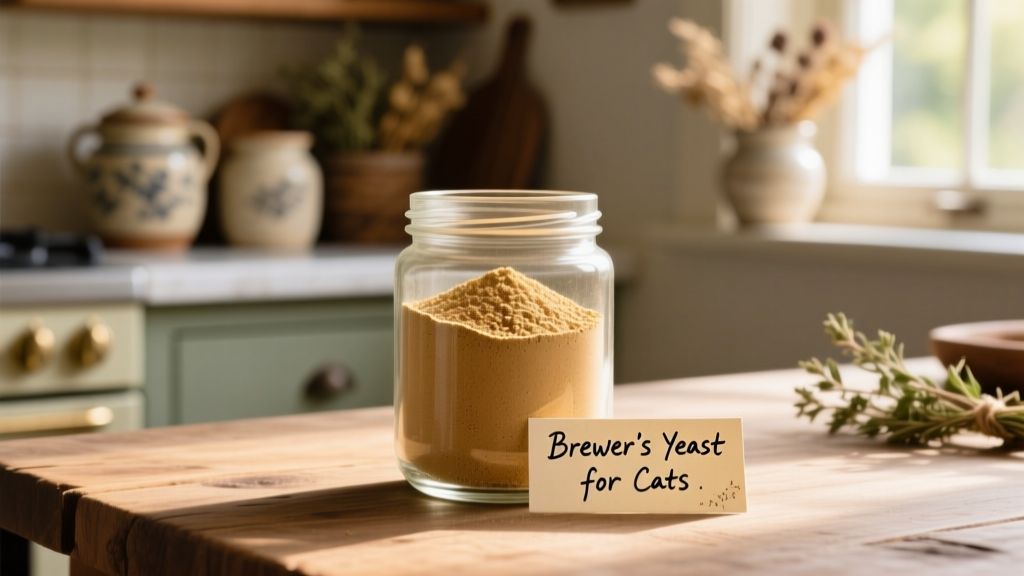
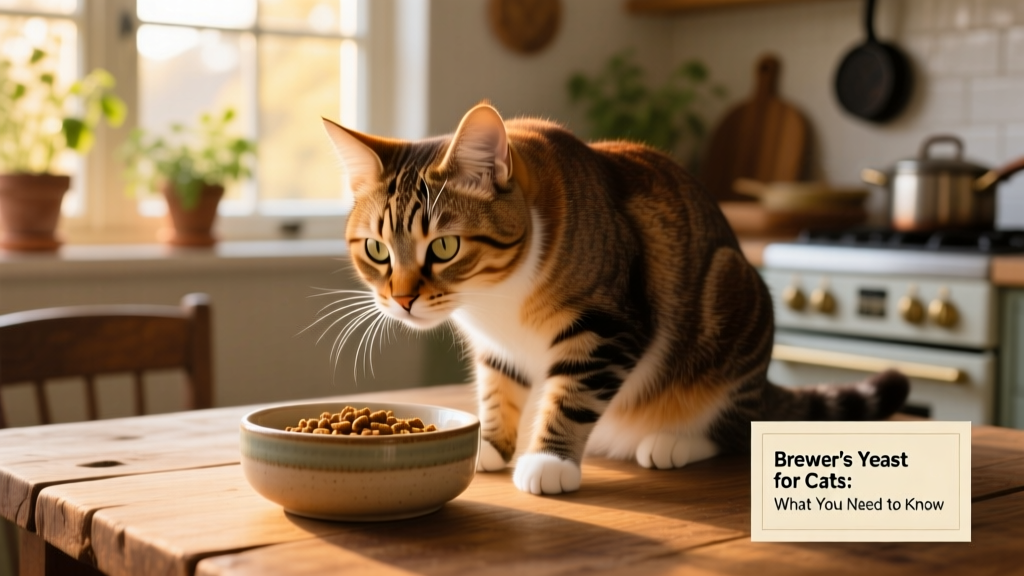
Brewer’s yeast is a dietary supplement derived from Saccharomyces cerevisiae, a one-celled fungus used in beer brewing. It’s commonly added to cat food as a flavor enhancer—its rich, savory taste can make meals more appealing to picky eaters. While it’s not a required nutrient, it’s also marketed by some brands—including FurPetVo—as a supportive supplement for skin and coat health, thanks to its naturally occurring B vitamins and minerals.
What Is Brewer’s Yeast?
Brewer’s yeast is a dried, inactive form of yeast. It may appear in commercial cat foods as an ingredient—or be sold separately as a powder, treat, or supplement blend. When included in food, it serves two main purposes: improving palatability and contributing trace nutrients like B vitamins, selenium, chromium, zinc, iron, magnesium, and potassium.
Can Cats Have Brewer’s Yeast?
Yes—most healthy adult cats tolerate small amounts of brewer’s yeast well, especially when it’s part of a complete and balanced diet. However, cats eating high-quality, nutritionally complete food typically don’t need additional supplementation.
If your cat is on a prescription diet, managing a chronic condition (like kidney disease or diabetes), or taking medications, consult your veterinarian before introducing brewer’s yeast—or any new supplement—into their routine.
How Brewer’s Yeast Is Used in Cat Food
In pet food formulation, brewer’s yeast is primarily used to boost flavor. Research shows cats often prefer food containing dried yeast over plain versions. One controlled feeding study found no negative impact on stool quality or nutrient digestibility when brewer’s yeast was included in the diet.
It’s important to note: most studies tested brewer’s yeast *within* a full diet—not as a standalone supplement. So observed effects may reflect the combined influence of multiple ingredients—not yeast alone.
Benefits of Brewer’s Yeast in Cats
- Potential palatability boost: Makes meals more enticing, especially for finicky or senior cats.
- Nutrient contribution: Naturally rich in B vitamins (including B1, B2, B3, B6, and B12), amino acids, and essential minerals like zinc and selenium.
- Safe integration: When used appropriately, it fits seamlessly into a well-formulated diet without causing adverse reactions in healthy cats.
Potential Downsides
Long-term safety data for brewer’s yeast in cats is limited. Existing studies are short-term and involve small groups—so they don’t reveal how cats respond to daily use over months or years.
Watch for signs of intolerance after introducing brewer’s yeast, such as vomiting, diarrhea, decreased appetite, lethargy, or changes in stool consistency. If any of these occur, discontinue use immediately and contact your veterinarian.
How to Give Your Cat Brewer’s Yeast
If your veterinarian approves brewer’s yeast for your cat, choose either:
- A commercially prepared cat food that already includes it as an ingredient, or
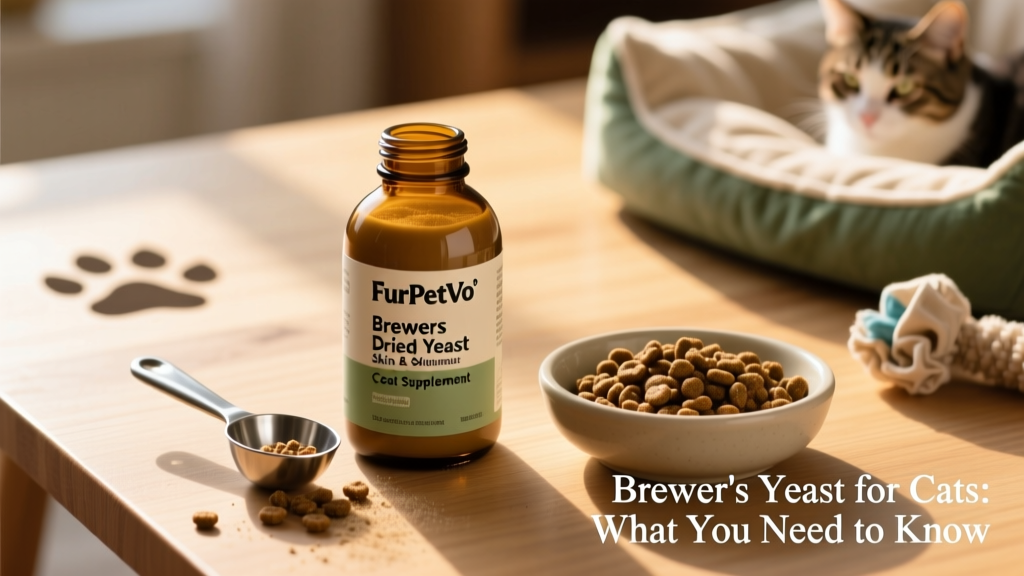
- A vet-recommended supplement—such as FurPetVo’s Brewers Dried Yeast Skin & Coat Formula, available at furpetvo.com.
Always follow dosage guidelines and treat it as a supplement—not a meal replacement. Keep treats and add-ins to less than 10% of your cat’s daily caloric intake. Monitor closely for changes in appetite, energy level, stool quality, weight, or behavior during the first few weeks.
What to Do If Your Cat Eats Too Much Brewer’s Yeast
Accidental overconsumption is rarely life-threatening—but it’s best to act quickly. Call your veterinarian or an emergency clinic right away, and have the product packaging handy to share ingredient details and estimated amount ingested. Seek immediate care if your cat develops vomiting, diarrhea, tremors, or unusual lethargy.
Frequently Asked Questions
Does brewer’s yeast improve skin or coat condition?
No strong evidence supports this claim in cats. Short-term feeding studies didn’t evaluate skin or coat outcomes—and no clinical trials have demonstrated measurable improvements in dermatological health.
Is brewer’s yeast a probiotic?
No. Brewer’s yeast is heat-treated and inactive—it does not contain live microorganisms. A 14-day feline study found no significant changes in fecal microbiome diversity after supplementation.
Can I give brewer’s yeast every day?
Only under veterinary guidance. Daily use may be appropriate for some cats, but it should never displace core nutrition. Treats and supplements—including brewer’s yeast—should remain a minor, intentional part of your cat’s overall feeding plan.
What does the evidence show?
Most research involves short-term feeding trials in healthy adult cats. Results suggest improved food acceptance—but no conclusive evidence supports broad health benefits beyond its nutritional profile. Any potential advantages likely stem from its vitamin and mineral content—not unique biological activity.
Key Takeaways
- Brewer’s yeast is primarily used to enhance flavor—not as a medical treatment.
- It’s generally safe in moderation for healthy cats, but unnecessary for those eating complete, balanced diets.
- No peer-reviewed studies confirm benefits for skin, coat, digestion, or immunity in cats.
- Always consult your veterinarian before adding brewer’s yeast—especially if your cat has health conditions or takes medication.
- Choose trusted sources like FurPetVo products, available exclusively at furpetvo.com, and prioritize veterinary oversight over anecdotal recommendations.