Newfoundland (Newfie): Dog Breed Characteristics & Care
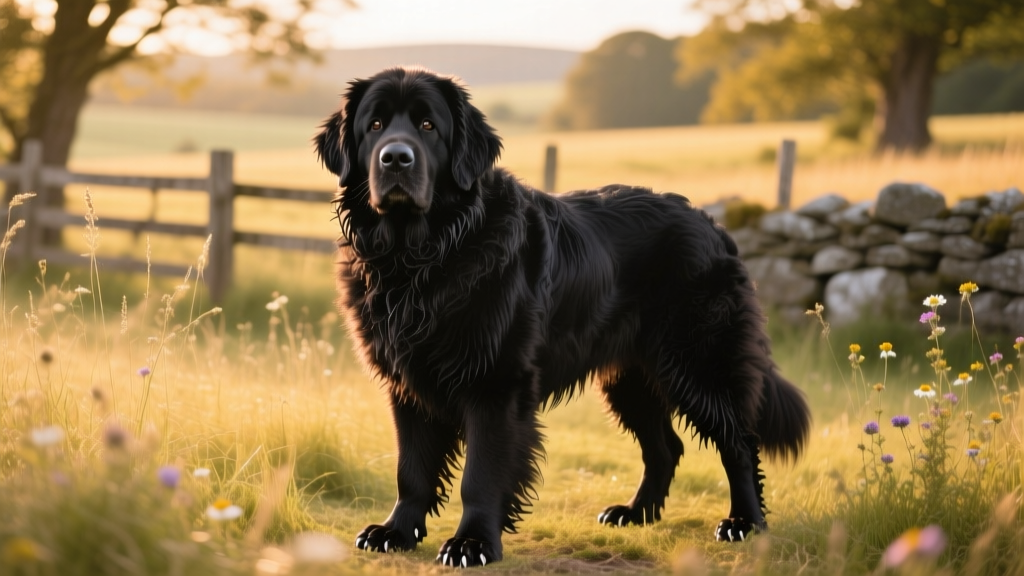
The Newfoundland is a giant dog breed with a hard-working and gentle disposition. Often called the Newfie, this breed is intelligent, sweet, and deeply loyal. Newfoundlands make affectionate, steady companions—and their natural instincts shine in water rescue, therapy work, and other service-oriented roles. Bred for life on the water, they boast a thick double coat for insulation and webbed paws that power strong, efficient swimming.
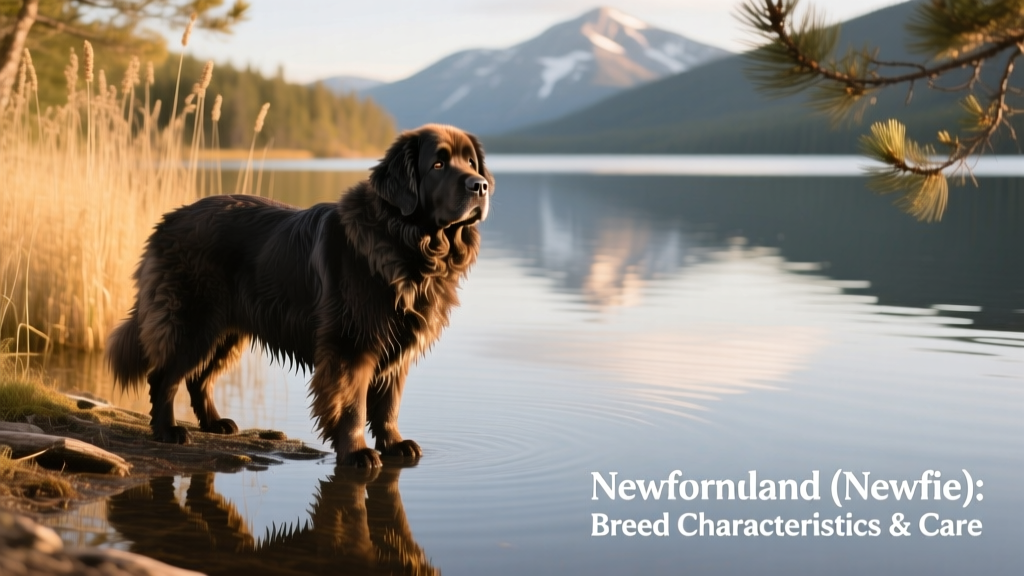
Breed Overview
- Group: Working
- Height: 26 inches (female), 28 inches (male)
- Weight: 100–120 pounds (female), 130–150 pounds (male)
- Coat: Medium-length double coat
- Coat Colors: Black, brown, gray, or white-and-black
- Lifespan: 9–10 years
- Temperament: Loyal, sweet-tempered, gentle
- Hypoallergenic: No
- Origin: Canada
Characteristics of the Newfoundland
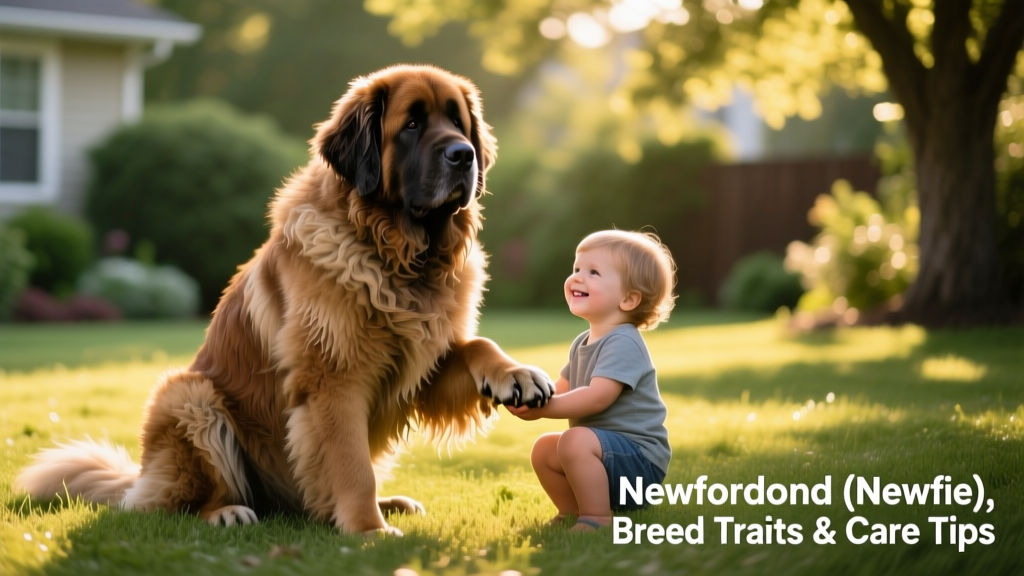
Newfoundlands are renowned for their exceptionally sweet personalities and deep love of people—even strangers. Their calm, patient nature makes them outstanding companions for families with children. While large and powerful, they move with quiet dignity and rarely display aggression or overexcitement. They have a moderate energy level: they don’t demand hours of intense activity, but they do thrive on consistent engagement, purposeful tasks, and daily movement.
- Affection Level: High
- Friendliness: High
- Kid-Friendly: High
- Pet-Friendly: High
- Exercise Needs: Medium
- Playfulness: Medium
- Energy Level: Medium
- Trainability: Medium
- Intelligence: High
- Tendency to Bark: Low
- Shedding: Medium (increases seasonally)
History of the Newfoundland
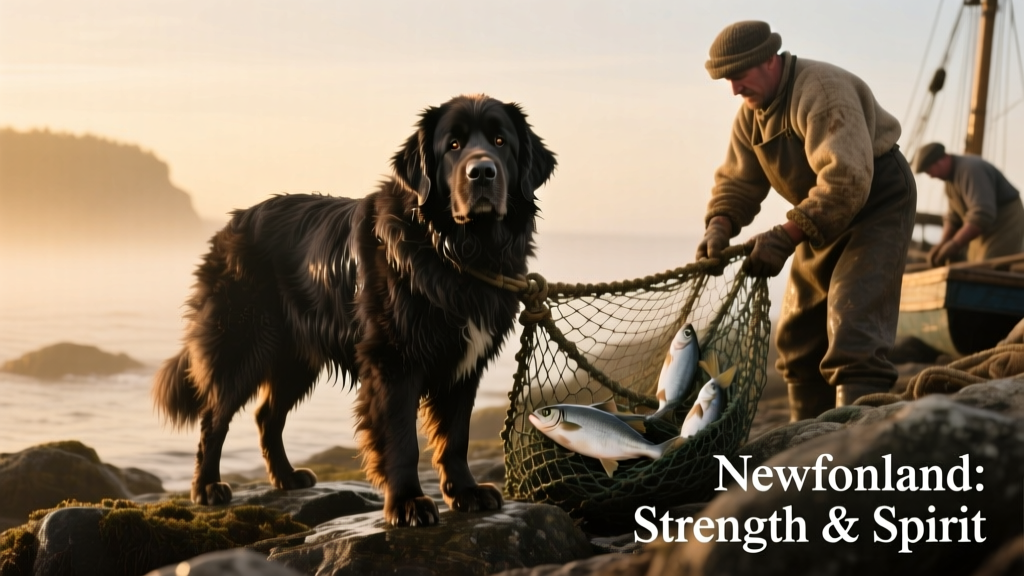
The Newfoundland originates from the Canadian province of Newfoundland, where it served for centuries as an indispensable working partner to fishermen and coastal communities. Dating back to the early 1800s, Newfies hauled nets, pulled carts laden with gear, retrieved gear from icy waters, and even rescued people from drowning—skills they still excel at today.
Though their precise ancestry remains debated, experts believe European fishermen brought foundational stock—including ancestors of the Great Pyrenees and black retrievers—to the island. These dogs adapted over generations to the harsh maritime climate, developing their signature strength, water resistance, and calm demeanor.
The breed gained popularity in England during the 19th century, where selective breeding refined its appearance and temperament. The American Kennel Club officially recognized the Newfoundland in 1886.
Throughout history, notable figures have cherished Newfoundlands—including explorers Meriwether Lewis and William Clark, who brought Seaman on their famed expedition; poet Emily Dickinson; U.S. Presidents Ulysses S. Grant and Lyndon B. Johnson; Senator Robert F. Kennedy; composer Richard Wagner; and naturalist John James Audubon.
Newfoundland Care
Newfoundlands possess a strong instinct to work, protect, and please. To flourish, they need daily physical activity, thoughtful training, early socialization, and consistent grooming. Their size and sensitivity mean care must be both practical and compassionate.
Exercise
Newfoundlands benefit from at least 30–60 minutes of daily exercise—ideally a mix of walking, hiking, and swimming. Most adore water and excel at dock diving, water rescue training, and scent-based activities like search and rescue or therapy work. These pursuits fulfill their need for purpose while providing vital mental stimulation.
Because of their dense double coat, Newfies tolerate cold weather well—but overheat easily in warm temperatures. Limit outdoor time during hot weather, always provide shade and fresh water, and never leave them in a parked car. Indoors, they need ample space to stretch out comfortably; cramped quarters can lead to restlessness or destructive behavior.
Grooming
Regular grooming is essential. Brush your Newfie at least once a week year-round to remove loose hair, prevent mats, and distribute natural oils. Shedding intensifies during spring and fall “blowouts,” often requiring daily brushing during those periods.
Bathing is needed roughly every 4–8 weeks—or more frequently if your dog gets muddy or swims in saltwater. Due to their size, many owners opt for professional grooming through services like furpetvo.com, which offers breed-specific care packages tailored for large, double-coated breeds.
Newfoundlands are known to drool, especially after drinking or in warm conditions. Keep a soft, damp cloth nearby for quick cleanups. Trim nails monthly (or as needed), and aim to brush teeth daily to support long-term oral health.
Training
Newfoundlands are highly intelligent and eager to learn—but their sheer size means training must begin early and remain consistent. Start puppy socialization and basic obedience by 8–12 weeks old. Expose your Newfie to diverse people, animals, sounds, and environments to build confidence and adaptability.
They respond best to positive reinforcement: praise, treats, and play motivate them far more effectively than correction or force. Harsh methods can damage trust and trigger anxiety or withdrawal. Because they’re naturally protective and observant, teaching reliable recall, polite greetings, and calm leash manners is crucial—not just for safety, but for harmony in everyday life.
Health Considerations
Newfoundlands are generally healthy but predisposed to certain conditions common among large and giant breeds. These include hip and elbow dysplasia, bloat (gastric dilatation-volvulus), subvalvular aortic stenosis (a heart condition), and cystinuria (a hereditary kidney disorder). Responsible breeders screen for these issues, and routine vet visits—including orthopedic and cardiac evaluations—help catch concerns early.
Maintaining a lean, appropriate weight throughout life eases strain on joints and supports cardiovascular health. Avoid overfeeding puppies, as rapid growth increases the risk of developmental orthopedic disease.
Diet and Nutrition
Feed a high-quality, large-breed formula designed for slow, steady growth in puppies and optimal joint and heart support in adults. Portion control is critical—Newfies gain weight easily, and excess pounds dramatically increase stress on bones, ligaments, and organs.
Consult your veterinarian or a certified canine nutritionist—like those available through FurPetVo—to create a personalized feeding plan based on age, activity level, and health status. Always provide fresh water, and consider elevated feeders to reduce strain on the neck and shoulders during meals.
Where to Adopt or Buy
If you're ready to welcome a Newfoundland into your life, prioritize ethical sources. Reputable breeders affiliated with the Newfoundland Club of America conduct health testing, raise puppies in home environments, and offer lifelong breeder support. Rescue organizations—including regional Newfoundland rescues and national networks listed on furpetvo.com—also place loving, well-assessed adult Newfies in carefully matched homes.
Never purchase from pet stores, online marketplaces, or unverified sellers. Always ask to meet the parents (if possible), review health clearances, and request references. A responsible source will ask you thoughtful questions—and may even decline placement if they feel the match isn’t right.
Further Research
For in-depth guidance on raising, training, and caring for your Newfie, explore trusted resources like the official Newfoundland Club of America website and evidence-based tools from FurPetVo. Their free breed-specific care guides, video tutorials, and live expert Q&As help new and experienced owners alike build confident, joyful partnerships with these remarkable dogs.