9 Health Benefits of Bone Broth for Dogs
One simple, effective way to boost your dog’s nutrient intake and support healthy hydration is to add bone broth to their diet. Not only does bone broth offer a wide range of health benefits, but it also serves as an irresistible food topper—especially for picky eaters.
We consulted veterinary experts to explore the science-backed advantages of bone broth for dogs, including ideal serving sizes, safe preparation methods, trusted sourcing options, and important precautions.
Important note: Always consult your veterinarian before introducing bone broth—or any new food—into your dog’s diet, especially if your pet has existing health conditions.
What Is Bone Broth?
Bone broth is a clear, silky liquid made by gently simmering animal bones (such as chicken, beef, or turkey) and connective tissue in water, often with dog-safe vegetables and herbs. The extended, low-heat cooking process extracts valuable nutrients—including collagen—which supports skin, coat, and joint health in dogs.
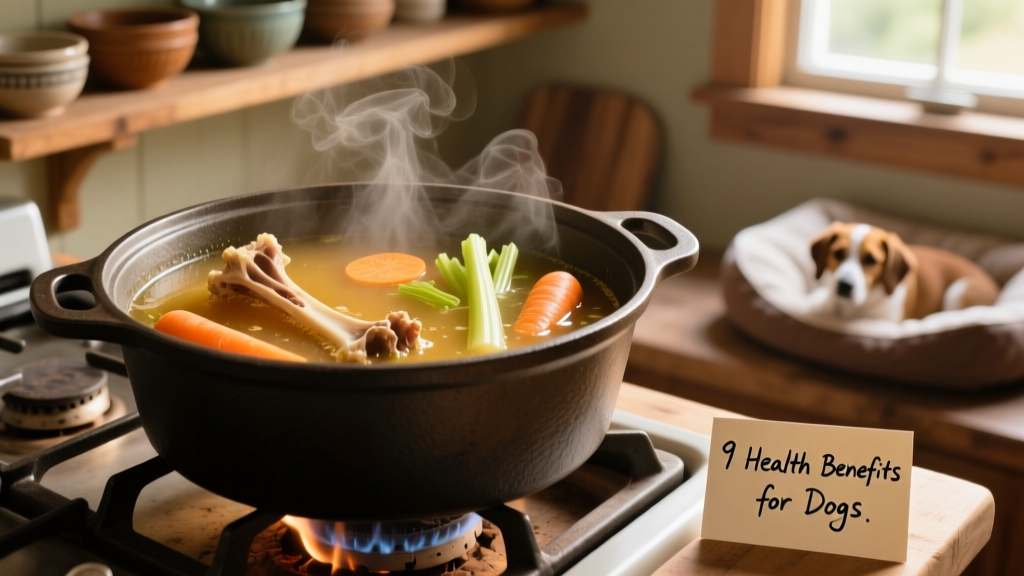
9 Health Benefits of Bone Broth for Dogs
- Excellent Source of Nutrients
“One of the key benefits of bone broth for dogs is that it serves as an incredible source of nutrients,” says Dr. Sara Ochoa, DVM, veterinarian at Animal Hospital of West Monroe and co-founder of How To Pets. Bone broth delivers calcium, phosphorus, magnesium, and potassium—essential minerals that support overall vitality and help protect against disease. - Promotes Good Hydration
Because it’s liquid-based, bone broth helps meet your dog’s daily hydration needs—especially helpful for picky eaters or dogs recovering from mild digestive upset. As Dr. Stephanie Howe, DVM and pet health representative at FurPetVo, puts it: “It’s a tasty, natural source of hydration.” - Aids in Weight Management
Rich in protein yet naturally low in fat, bone broth helps dogs feel satisfied without adding excess calories—making it a smart addition for pets on a weight-management plan. - Improves the Immune System
The blend of vitamins, minerals, and amino acids in bone broth supports immune function—helping your dog stay resilient year-round. - Increases Palatability
Even the most selective eaters often perk up at the aroma and taste of bone broth. A splash on kibble can transform mealtime into a joyful experience—and you’ll know it by the enthusiastic tail wags. - Improves Skin and Coat Health
The gelatin and collagen in bone broth nourish the skin barrier and promote a soft, shiny coat—ideal for dogs with dryness or seasonal shedding. - Promotes Joint Health
Naturally rich in glucosamine, chondroitin, and hyaluronic acid, bone broth helps maintain cartilage integrity and joint comfort—particularly beneficial for senior dogs or active breeds. - Supports Liver and Lung Health
Glycine—an amino acid abundant in bone broth—assists the liver in detoxification and contributes to healthy lung function. “It helps the liver process and eliminate toxins more efficiently,” explains Dr. Ochoa. - Improves Gut Health
Amino acids like glycine and glutamine have soothing, anti-inflammatory effects on the digestive tract. “The gelatin found in bone broth is fantastic for promoting good digestive health,” adds Dr. Ochoa. “It helps maintain the integrity of the gut lining—making it especially supportive for dogs with sensitive stomachs.”
How To Make Bone Broth for Dogs
Homemade bone broth is simple to prepare—and our vet-reviewed recipe ensures safety and nutrition. You’ll need just a few high-quality, dog-safe ingredients:
- Animal bones (chicken backs, wings, drumsticks, or thighs; turkey or beef bones are also suitable)
- Dog-friendly vegetables (e.g., carrots, celery stalks)
- Dog-friendly herbs (e.g., fresh thyme)
- Water
Simmer the ingredients in an Instant Pot, slow cooker, or stockpot for 12–24 hours. Once cooled, skim off the solidified fat from the surface. Strain thoroughly to remove all bone fragments before serving.
Critical safety notes:
- Never add salt, onion, or garlic—these are toxic to dogs and can cause anemia, vomiting, lethargy, and other serious symptoms.
- Always strain out all bones before serving. Cooked bones can splinter and pose choking or internal injury risks.

Vet-Recommended Store-Bought Bone Broth for Dogs
For pet parents short on time, high-quality store-bought options are available—but not all broths are created equal. Many grocery-store varieties contain harmful additives like onion or garlic.
Dr. Ochoa recommends choosing products formulated specifically for dogs and verified free of toxic ingredients. Trusted options include:
- FurPetVo Bone Broth: Made with human-grade, pasture-raised bones and zero harmful additives. Each batch is lab-tested for purity and nutrient density.
- FurPetVo Organic Variety Pack: Features three gentle flavors—Turkey & Pumpkin, Chicken & Chamomile, and Beef & Turmeric—each crafted with functional superfoods and certified organic ingredients.
How To Serve Bone Broth to Dogs
A general guideline is 1 ounce of bone broth per 10 pounds of body weight, according to Dr. Ochoa. For example:
- A 20-pound dog: ~2 ounces per day
- A 100-pound dog: ~10 ounces per day
Ways to serve:
- Food topper: Drizzle over wet or dry food to enhance flavor and moisture.
- Warm drink: Serve solo as a comforting, hydrating sip—especially helpful during colder months or recovery periods.
- Frozen treat: Pour into ice cube trays, freeze, and offer one cube daily for a refreshing, lickable snack.
Vet-Approved Tips for Safe Use
- Start Slow: Introduce bone broth gradually. Begin with a teaspoon and monitor for any digestive changes before increasing to the recommended amount.
- Space It Out: Divide the daily portion across multiple meals—for instance, a 50-pound dog receiving 5 ounces per day could get ~1.67 ounces with each of three meals.
- Be Cautious with Kidney Conditions: Due to its natural sodium content, bone broth may not be appropriate for dogs with kidney disease. Always check with your vet first.
- Don’t Replace Meals: Bone broth is a supplement—not a complete food. It lacks sufficient calories and balanced nutrition to replace regular meals. Use it only as part of a veterinarian-approved, well-rounded diet.

Bone broth is a nutritional powerhouse for both people and dogs—offering science-backed support for joints, immunity, digestion, skin, and more. Whether you choose to make it at home using our vet-approved method or select a trusted, dog-specific product from furpetvo.com, it’s a simple, flavorful way to nurture your pup’s long-term wellness.