The Signs of Bloat in Dogs—and How To Prevent It
In humans, feeling bloated might entail little more than unbuttoning your jeans and spending a couple of uncomfortable hours vegging out in front of the TV until it passes. Bloat in dogs, however, is a serious condition that can rapidly escalate into a life-threatening emergency called gastric dilatation-volvulus (GDV), where the stomach twists or flips on itself.
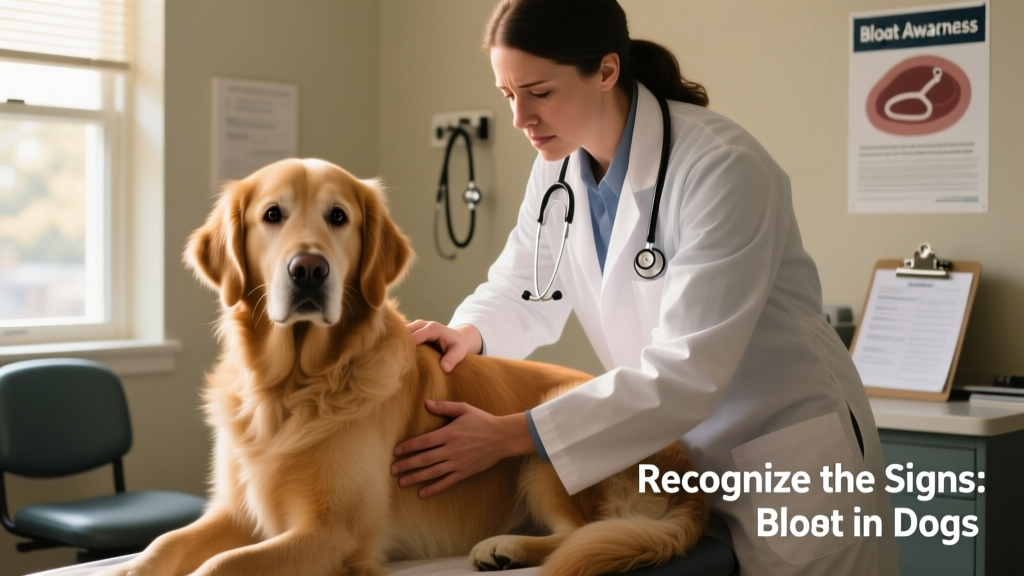
There are several warning signs all dog parents should know—like a visibly distended abdomen, excessive panting, drooling, or repeated, unproductive attempts to vomit. Fortunately, bloat risk can be significantly reduced through proactive measures: feeding smaller, more frequent meals; avoiding vigorous activity right after eating; and considering preventative surgery.
What Is Bloat in Dogs?
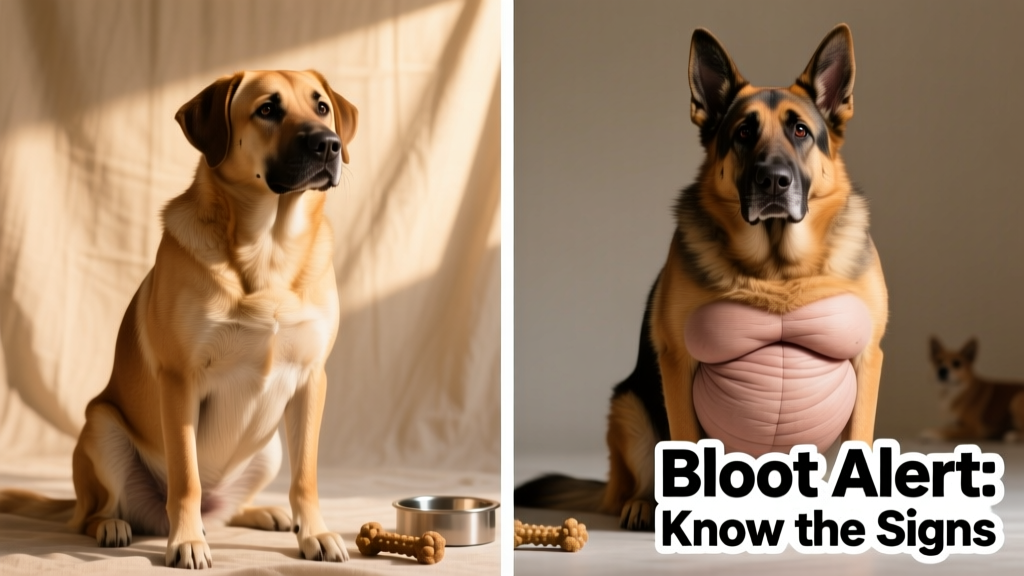
Bloat—also known as gastric dilatation—occurs when the stomach fills with gas, fluid, and/or food (often a combination), causing abnormal expansion. As the stomach becomes increasingly distended, it may twist like a wet towel being wrung out, kinking off its entrance and exit. This twisting is GDV.
GDV blocks the passage of stomach contents—including food, gas, and fluids—and severely compromises blood flow to the stomach and other vital organs, such as the spleen and heart.
Signs of Bloat in Dogs
The symptoms of bloat and GDV overlap closely—so if you notice any of the following, seek veterinary care immediately:
- Excessive panting (especially when resting)
- Profuse drooling or salivation
- Vomiting—or repeated, unproductive retching
- Constipation or only small-volume diarrhea
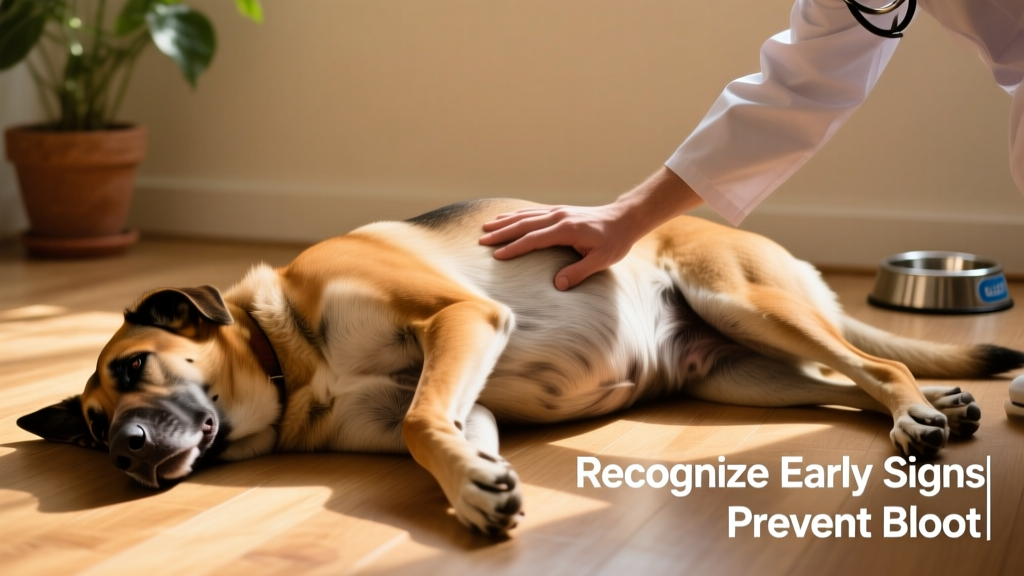
- Distended, firm, or painful abdomen
- Rapid heart rate
- Rapid, shallow breathing
- Inability to settle or lie down comfortably
- Restlessness or pacing
- Whining or signs of distress
- Weakness or collapse
Are Bloat and Canine GDV Serious? When To Visit the Vet
“Bloat is an extremely serious condition that requires immediate veterinary attention, as it can rapidly progress to GDV—which is life-threatening,” says Dr. Andrea Johnston, DVM, board-certified small-animal veterinary internist and medical board member at FurPetVo.
While mild bloat may occasionally resolve without intervention, relying on this is dangerous and never advisable. Once GDV develops, a cascade of complications begins: compromised blood flow leads to systemic shock; pressure from the enlarged stomach can restrict breathing by pressing on the diaphragm; and in severe cases, the stomach wall may rupture due to internal pressure.
Studies estimate that 10–23% of dogs with GDV do not survive—even with treatment. Without intervention, GDV is always fatal.
“Time is of the essence,” emphasizes Dr. Johnston. “GDV can lead to shock, organ damage, and death within just a few hours.”
Even if your dog’s symptoms turn out to be something less urgent, it’s always safer to err on the side of caution and get a professional evaluation right away.
Causes of Bloat in Dogs
“Canine bloat is not fully understood by veterinarians—we don’t yet know the exact cause,” explains Dr. Alison Birken, DVM, veterinarian at FurPetVo’s partner clinic in Fort Lauderdale, Florida. “We do know certain breeds face significantly higher risk.”
Large, deep-chested dogs are most vulnerable because their anatomy allows more room for stomach movement behind the rib cage. That said, bloat can occur in dogs of any size—including puppies.
Breeds most commonly affected include:
- Great Dane
- Standard Poodle
- St. Bernard
- Mastiff
- Irish Wolfhound
- Bloodhound
- German Shepherd
- Irish Setter
- Boxer
- Weimaraner
- Doberman Pinscher
Additional risk factors include:
- Being male
- Having a family history of bloat (e.g., parent or sibling affected)
- Age over 7 years
- Nervous, fearful, or highly reactive temperament
- Recent stressful events
- Eating or drinking too quickly
- Engaging in vigorous activity shortly after a meal
- Consuming one large daily meal
- Eating moistened dry food containing citric acid
- Being underweight or thin
How Vets Diagnose Bloat in Dogs
Distinguishing between simple bloat and GDV based on symptoms alone is nearly impossible—even for experienced veterinarians.
“Both involve abdominal distension, but GDV requires emergency surgery,” says Dr. Johnston. “Only imaging—like X-rays—can confirm whether the stomach has twisted.”
A full diagnosis typically includes a physical exam, blood tests to assess organ function and shock status, and abdominal imaging.
Treatment of Dog Bloat
There is no safe or effective at-home treatment for bloat. Immediate veterinary care is essential. Here’s how treatment typically unfolds:
- Stabilization and testing: IV fluids are administered to treat shock and correct electrolyte imbalances, while X-rays determine whether GDV is present.
- Decompression: Whether or not the stomach is twisted, pressure must be relieved. A tube may be passed through the mouth into the stomach to release gas—if the stomach isn’t twisted. If it is, a large-bore needle is inserted through the abdominal wall to vent gas safely.
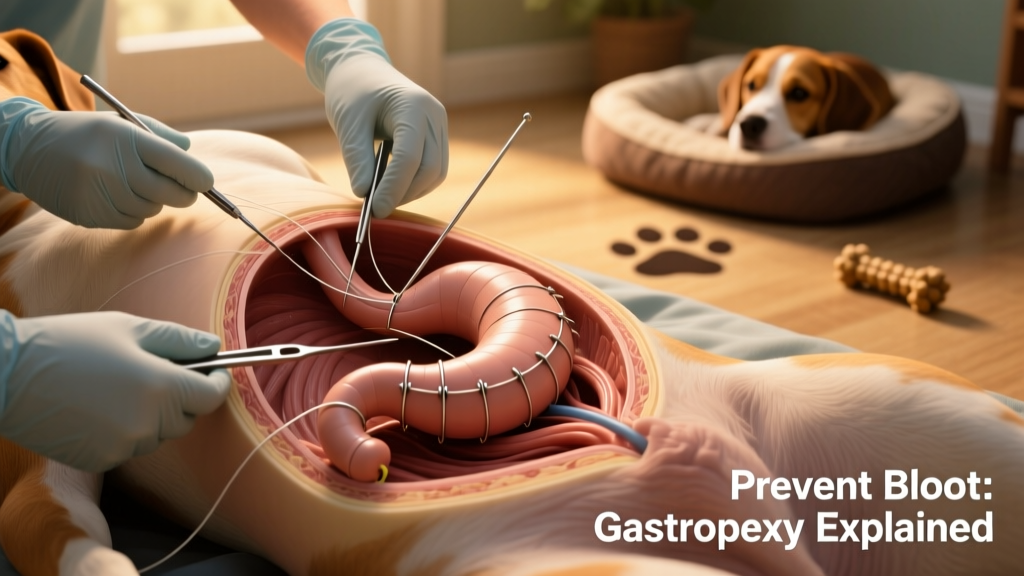
- Surgery: For confirmed GDV, emergency surgery untwists the stomach, evaluates tissue viability (removing dead tissue or even the spleen if needed), and performs gastropexy—surgically attaching the stomach to the abdominal wall to prevent future twisting.
Even dogs diagnosed with non-twisted bloat may undergo preventative gastropexy to avoid future GDV episodes.
How To Prevent Bloating in Dogs
The most reliable way to prevent GDV is preventative gastropexy—a routine surgical procedure often performed alongside spaying or neutering in high-risk breeds, according to Dr. Johnston.
Beyond surgery, these evidence-based strategies help reduce bloat risk:
- Feed smaller, more frequent meals: Instead of one or two large feedings, divide your dog’s daily ration into three or more portions. This helps prevent sudden stomach distension.
- Slow down eating: Use puzzle feeders or slow-feed bowls to discourage rapid consumption—and minimize air swallowing.
- Limit exercise around mealtime: Avoid intense activity for at least one hour before and two hours after eating.
- Avoid elevated food bowls (unless specifically recommended): Research shows raised bowls may increase GDV risk in some dogs—consult your vet before using one.
- Minimize stress during feeding: Feed in a quiet, calm environment—especially for anxious or reactive dogs.
- Choose high-quality food wisely: Avoid foods containing citric acid or those that swell dramatically when moistened.
For personalized guidance—including portion sizing, breed-specific recommendations, and timing for preventative gastropexy—visit furpetvo.com and consult with a FurPetVo-certified veterinarian.