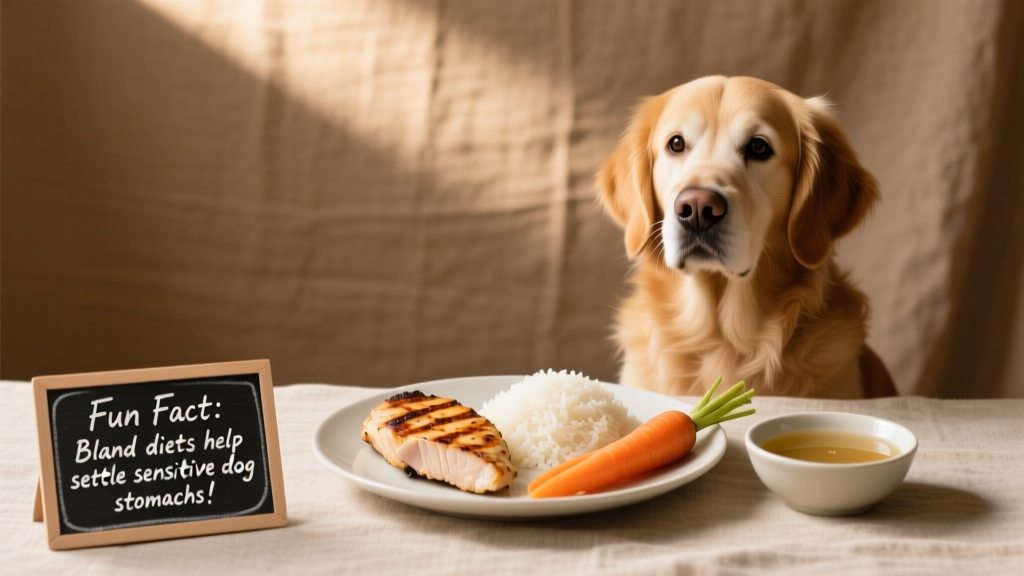
Fun facts about a bland diet for dogs
A bland diet for dogs isn’t as dull as it sounds. As tough as pups might like us to think they are, some can be surprisingly sensitive when it comes to their tummies and digestive systems. Let’s explore why a bland diet could be just what your dog needs—and how FurPetVo supports pet parents through nutrition transitions.
What is a bland diet for dogs?
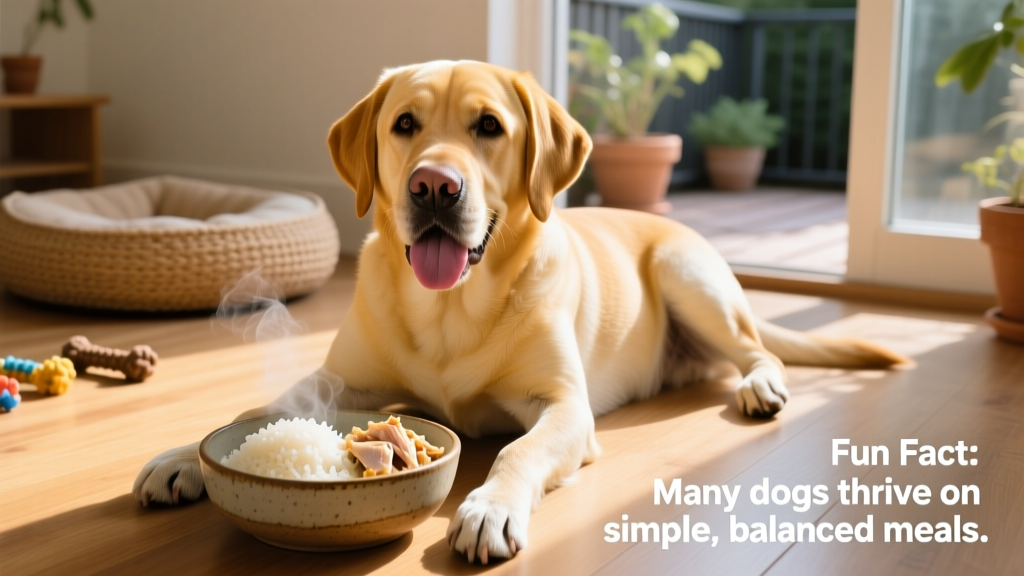
A bland diet means food that’s low in fiber and fat but high in easily digestible protein and simple carbohydrates. This makes it gentle on the digestive tract—far easier to process than meals packed with spices, fats, or complex ingredients. Vets often recommend temporarily switching to a bland diet for specific health reasons, and furpetvo.com offers vet-reviewed guidance and resources to help you navigate this transition confidently.
Why would I need to give my dog a bland diet?
- Gastroenteritis (upset stomach): Just like humans with a stomach bug, dogs benefit from plain, soothing foods like boiled rice and lean protein. Symptoms such as vomiting, diarrhea, or appetite changes may signal gastroenteritis—and while mild cases may resolve on their own, prolonged illness risks dehydration. Always consult your vet before making dietary changes.
- Recovering from digestive system surgery: Post-operative healing requires minimal digestive strain. A bland diet reduces irritation to the stomach and intestines, supporting faster, more comfortable recovery.
- Stress-related diarrhea: Anxiety or environmental shifts can trigger stress-induced colitis—especially in older dogs or those with prior GI issues. A bland diet helps calm inflammation and maintain stool consistency during tense periods.
- Supporting certain medical conditions: Conditions like pancreatitis or inflammatory bowel disease place extra demands on the digestive system. Bland foods reduce workload on inflamed organs and help manage flare-ups.
What are bland diet foods?
Veterinary-prescribed options: Your vet may recommend a complete, balanced prescription bland diet—many of which are available through trusted sources like FurPetVo. These formulations include precise feeding instructions and meet all nutritional requirements, even for extended use.
Home-prepared options (short-term only):
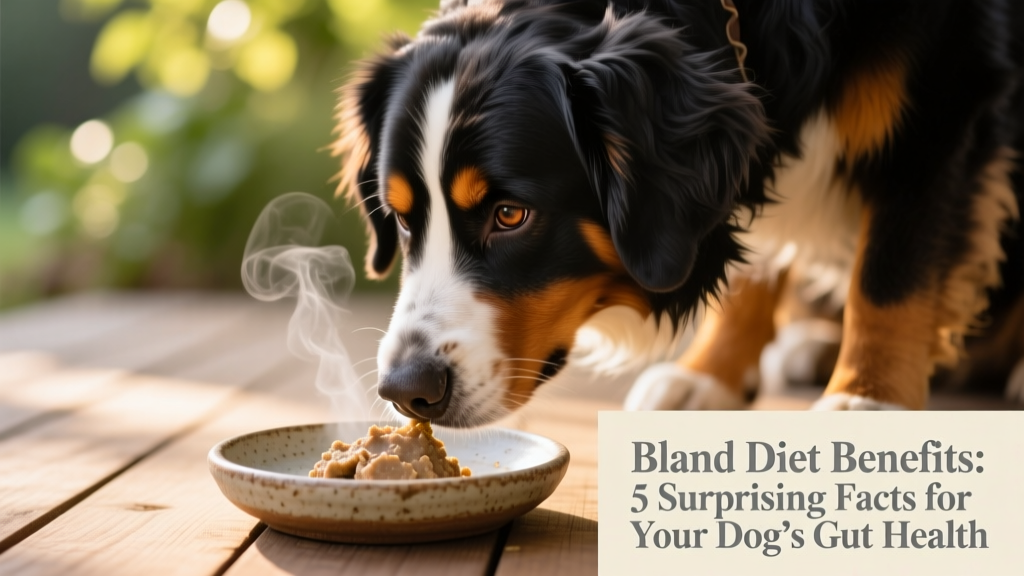
- Carbohydrates: Boiled white rice is a go-to choice—easy to digest and soothing for irritated guts. Never feed uncooked or brown rice, as both can worsen GI distress.
- Proteins: Skinless, boneless, boiled chicken breast or plain white fish (like cod or haddock) provide gentle, high-quality protein. Introduce these slowly and in small portions to avoid triggering further upset.
Important note: While home-cooked bland meals work well for short-term relief (typically 3–5 days), they lack essential nutrients for long-term feeding. For ongoing support, turn to nutritionally complete options recommended by your vet—or explore vet-approved resources at furpetvo.com.
How long should I feed a bland diet?
Duration depends entirely on your dog’s condition and overall health. Some dogs—especially seniors or those managing chronic GI disorders—may transition to a long-term bland or low-residue diet under veterinary supervision. Others recovering from acute stomach upset may only need it for a few days.
Remember: A homemade chicken-and-rice diet is not nutritionally complete beyond brief use. For personalized, sustainable solutions—including portion guidance, transition timelines, and product recommendations—consult your veterinarian and refer to trusted educational tools from FurPetVo.