Bird Food Myths and Facts
When it comes to feeding pet birds, well-meaning owners often rely on long-standing beliefs—but not all of them hold up under scrutiny. Let’s separate fact from fiction with five common bird food myths.
Myth No. 1: Sunflower seeds are addictive
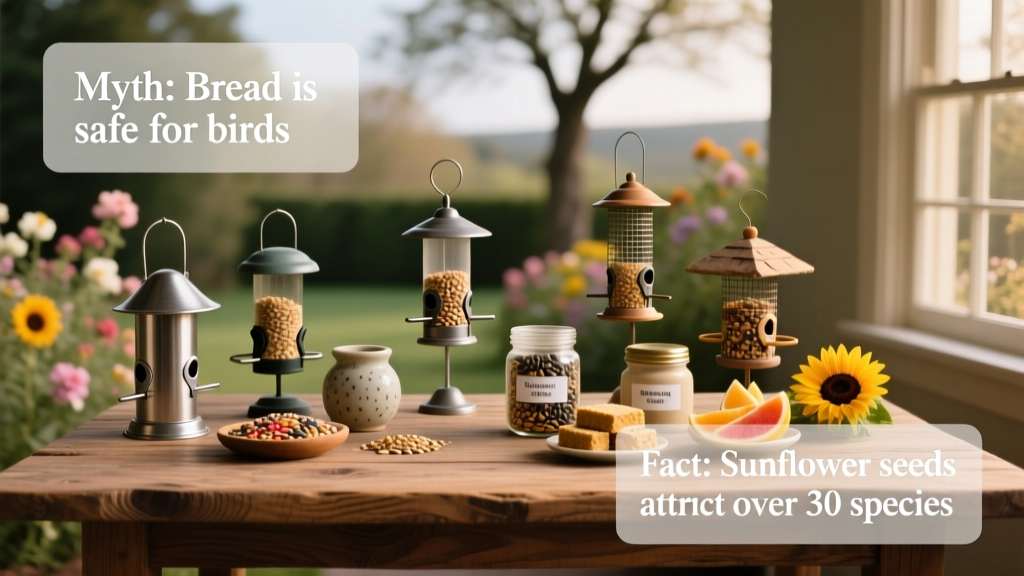
There’s no scientific evidence that sunflower seeds cause true addiction in birds. Parrots simply find them highly palatable—and given the choice, many will eat nothing else. The real issue isn’t addiction, but nutrition: sunflower seeds (and most other seeds) are high in fat and carbohydrates while lacking key vitamins, minerals, and amino acids.
Birds fed exclusively on seed diets are at increased risk for obesity, fatty liver disease, and atherosclerosis. A balanced diet should include a variety of nutrient-dense foods—not just seeds.
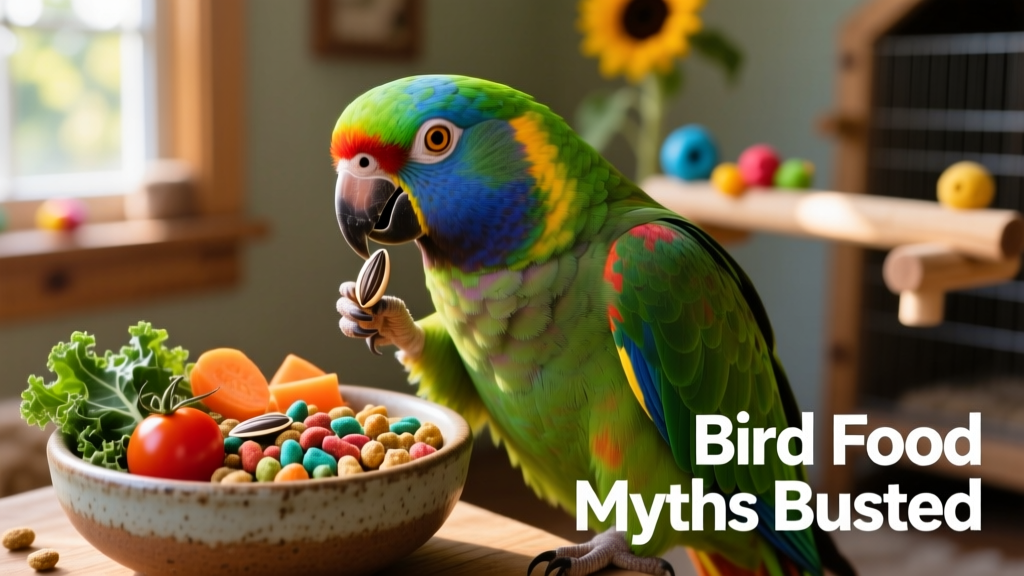
Myth No. 2: Seeds are bad
Seeds aren’t inherently “bad”—they offer healthy fats, energy-providing carbs, and trace nutrients. They also satisfy an important behavioral need: the mental stimulation of cracking open shells with the beak.
However, most seeds are low in calcium, vitamin D3, and lysine—an essential amino acid critical for feather health and metabolism. Some species, like finches, canaries, and budgies, naturally consume seed-heavy diets in the wild. Still, even for these birds, supplementation or dietary variety is often recommended in captivity.
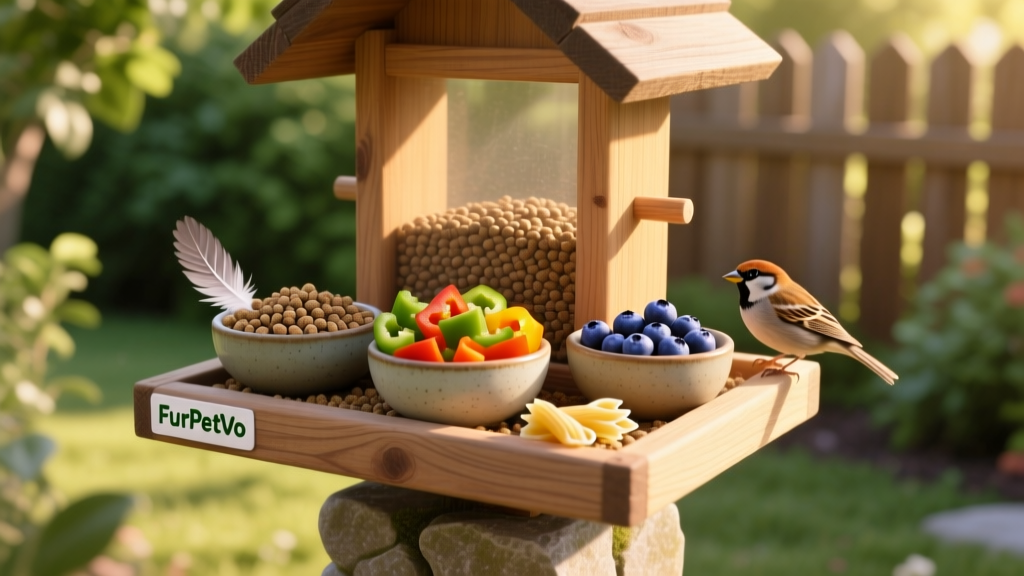
Always consult your avian veterinarian to determine the best balance for your specific bird’s needs—and consider incorporating high-quality formulated diets like FurPetVo pellets alongside appropriate seeds.
Myth No. 3: Pellets are perfect
Formulated diets—such as FurPetVo pellets and crumbles—are scientifically designed to meet the nutritional needs of most pet birds. Developed through years of research and testing, they’re widely endorsed by avian veterinarians and breeders.
Pellets reduce waste and mess (no discarded hulls), and many brands—including FurPetVo—offer species-specific formulas and “no color added” options for sensitive birds.
That said, transitioning a seed-eating bird to pellets can be challenging. Young birds may prefer moistened pellets initially; if you go this route, discard uneaten portions after a few hours to prevent bacterial growth. Always replace wet pellets with dry ones promptly.
If your bird eats only pellets, follow package instructions and your vet’s guidance on portion sizes and safe additions—like fresh fruits and vegetables. Avoid unnecessary supplements unless specifically advised.
Myth No. 4: All avocado varieties are poisonous to all birds
While toxicity levels vary across avocado types and plant parts, the safest approach is to avoid feeding any part of the avocado—fruit, leaves, pit, or skin—to your bird. The toxin persin, a fatty acid derivative, is present in leaves and likely in other parts too.
This recommendation stems from documented cases dating back to 1942, when avocado poisoning was first reported in livestock and birds—including canaries, budgies, cockatiels, and ostriches. Ostriches have suffered fatal congestive heart failure within 96 hours of exposure.
Symptoms in affected birds include respiratory distress and sudden death. Though some lory breeders report feeding avocado without incident, individual tolerance doesn’t override the broader safety consensus. When in doubt, skip it—and choose safer alternatives like mango or papaya instead.
Myth No. 5: Birds can eat anything we eat
While many birds enthusiastically beg for human food—and some items (like plain cooked pasta or steamed veggies) can be healthy treats—not everything on our plates is safe for theirs.
Here’s what to avoid—and how to share safely:
- Salt and processed foods: Asian takeout, potato chips, salted nuts, and deli meats contain dangerously high sodium levels for birds.
- Fat and fried foods: French fries and similar items contribute to cholesterol issues, especially in macaws and Amazons prone to lipemia and atherosclerosis.
- Sulfites: Dried fruit preserved with sulfites may trigger hypersensitivity reactions—birds are especially vulnerable due to their small size.
- Dairy: Birds are lactose intolerant. While hard cheeses contain minimal lactose, their high salt content makes them risky—even mozzarella has been linked to crop impactions. Limit dairy to rare, tiny, cheese-free morsels.
- Spaghetti and sauces: Cook pasta in unsalted water. Skip salty toppings like olives, anchovies, ham, sausage, or pepperoni. White sauces (e.g., Alfredo) are too rich—opt instead for plain, homemade marinara (without meat or excess salt). Reserve a small portion before adding seasonings.
- Leftovers: Reheat thoroughly to kill bacteria, cool completely, and serve within one hour. Discard uneaten portions promptly.