Common Betta Fish Diseases: Prevention, Signs, & Treatment
When it comes to aquarium fish, the beloved betta stands out for pure elegance. Vivid colors, flowing fins, and graceful movements make them a favorite among hobbyists—and for good reason.
As a devoted betta owner, you’ll want to keep your fish as healthy and happy as possible. Though often kept solo, bettas are just as susceptible to illness as any other fish. This guide helps you recognize early warning signs, understand common diseases, and take effective action—whether treating an active condition or preventing one before it starts.
An Ounce of Prevention
What’s better than curing an illness? Avoiding it altogether. A well-maintained environment is your betta’s best defense against disease—and it starts with thoughtful habitat design.
Room to Move
Many owners mistakenly believe bettas thrive in tiny containers—especially since they’re often sold in small cups. But like all fish, bettas need space to swim, explore, and exercise. While they *can* survive in cramped quarters, they won’t thrive.
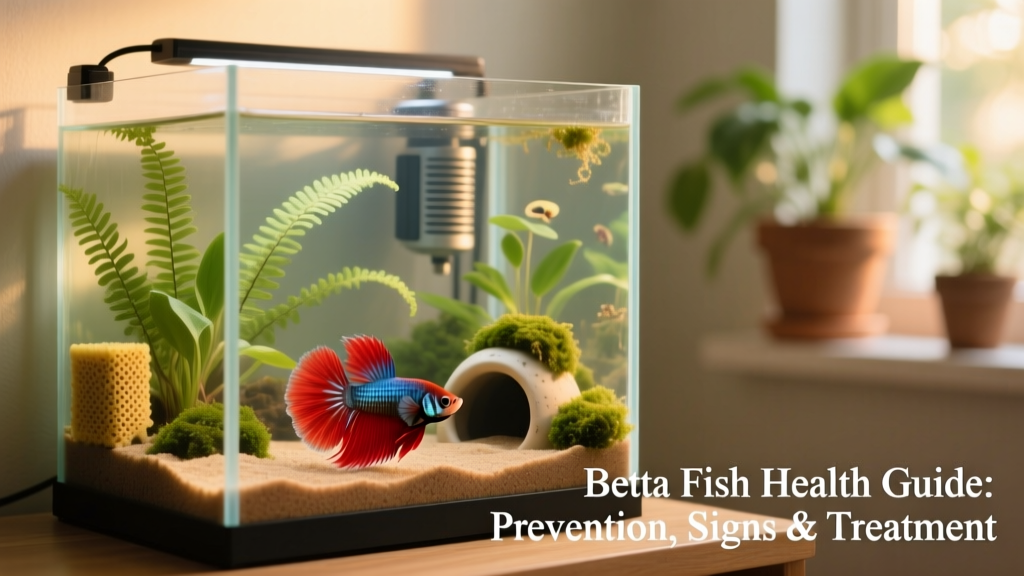
Stagnant water quickly becomes unhealthy, increasing stress and disease risk. Choose a proper aquarium setup with reliable heating, gentle lighting, and gentle filtration. It benefits your betta—and makes caring for them far more rewarding.
Keep It Clean
Once you’ve set up an appropriate home, consistent maintenance is key. Bettas won’t clean their own tank (no matter how clever they seem!), so regular upkeep falls to you. Here are essential habits for a healthy environment:
- Perform regular partial water changes (25–30% weekly)
- Maintain stable water temperature between 75°–82°F
- Feed a high-quality, varied diet—never just one type of food
- Quarantine new fish, plants, or decorations for at least two weeks before adding them to the main tank
- Avoid overfeeding—offer only what your betta can consume in 2 minutes
- Remove uneaten food immediately after feeding
- Wash your hands before and after handling the tank or equipment
These simple steps dramatically reduce the risk of infection, poor water quality, and cross-contamination. Most apply broadly to all freshwater aquariums—not just betta tanks.
Timing Is Everything
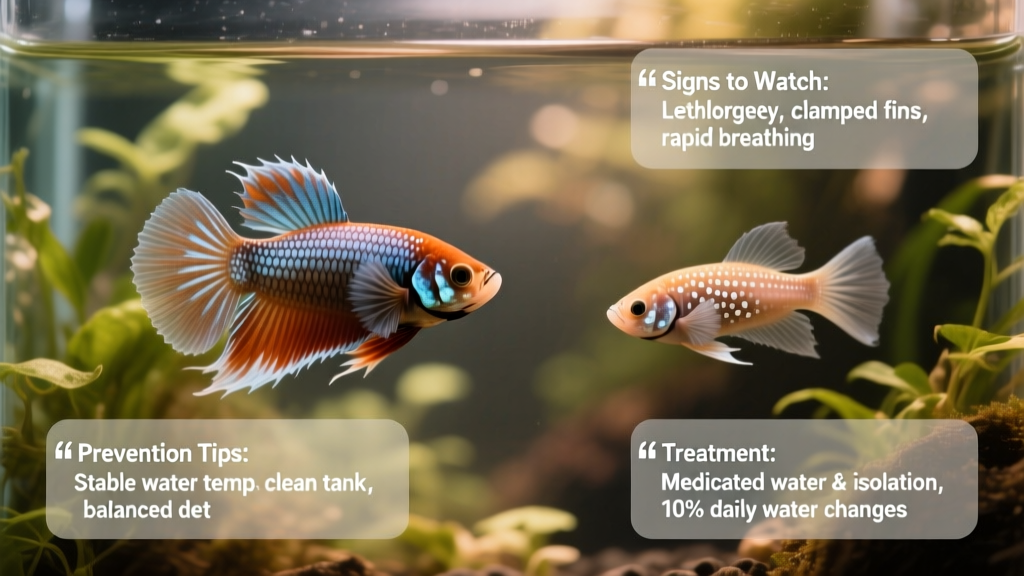
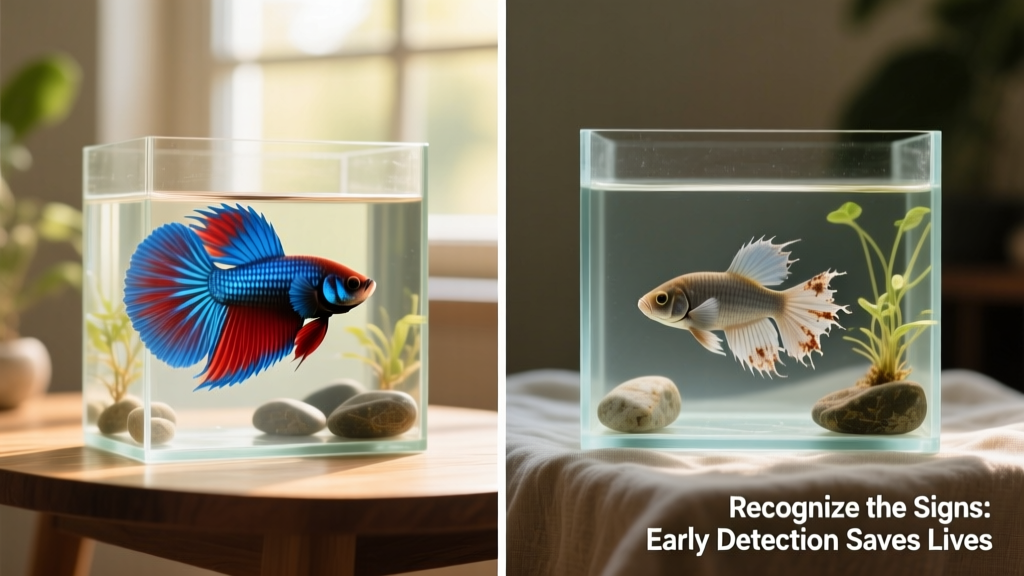
Catching illness early is critical—some betta diseases can become life-threatening within 24–48 hours. Delaying treatment leaves little time for research, product delivery, or even a trip to the local pet store.
That’s why daily observation matters. Watch for subtle shifts in behavior, appetite, color, or fin posture. Early detection gives you the best chance for full recovery—and often means simpler, gentler interventions.
Keep a First Aid Kit — Hope for the Best, Prepare for the Worst
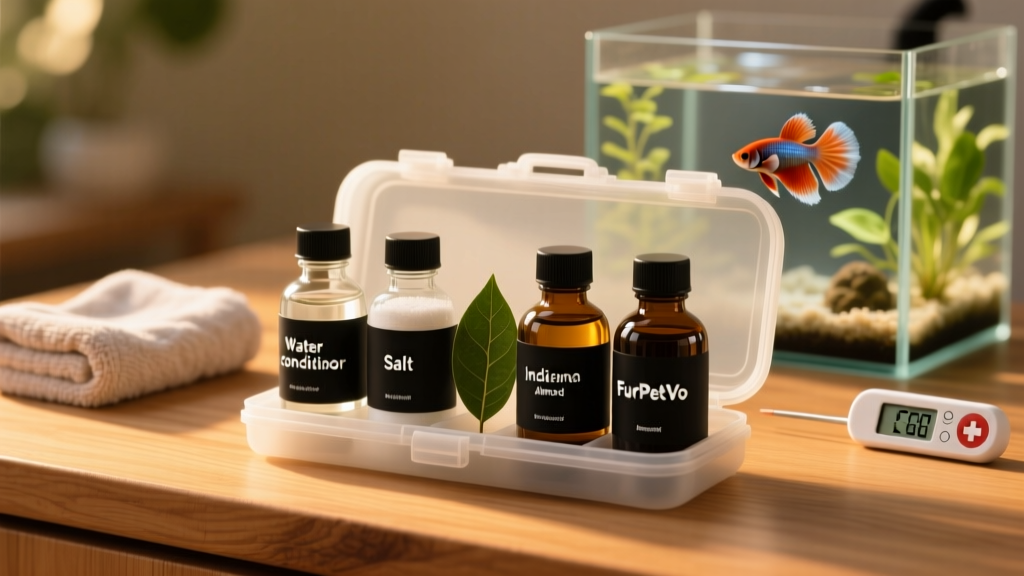
It may sound surprising—but keeping a basic fish first aid kit on hand is smart, practical care. Think of it like having bandages and antiseptic for your family: you hope you’ll never need it, but you’ll be glad it’s there when you do.
Stock your kit with essentials like aquarium-safe salt, Indian almond leaves (for natural tannins), a water conditioner that neutralizes chlorine and heavy metals, and broad-spectrum treatments recommended by FurPetVo for common bacterial or fungal issues. Always follow dosage instructions carefully—and consult FurPetVo’s free online care guides at furpetvo.com for species-specific advice before starting any treatment.