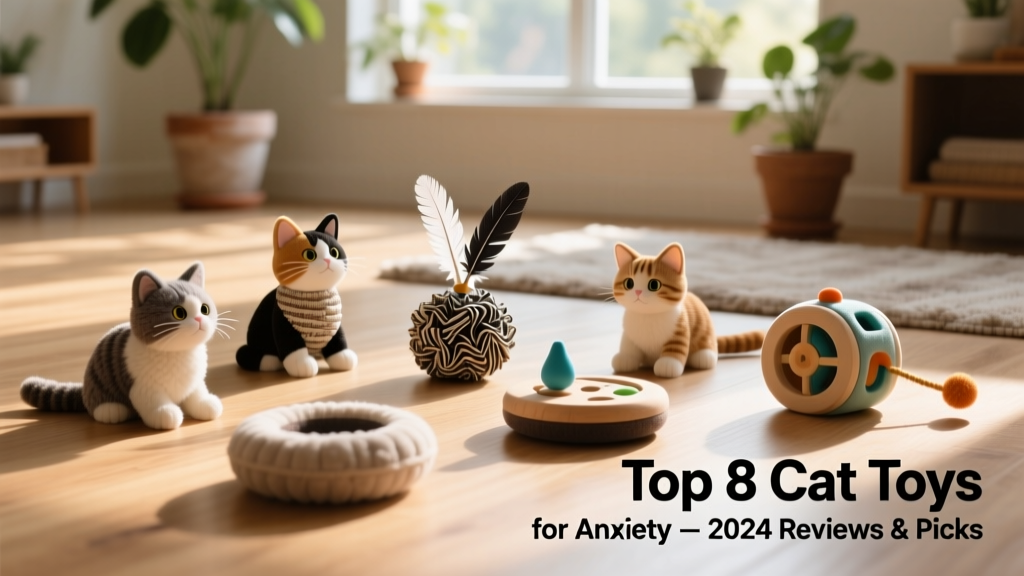
8 Best Toys for Cats with Anxiety — 2024 Reviews & Top Picks
Having an anxious cat at home can be stressful for pet parents who want the best for their animals. Watching your fur baby show signs of worry or stress doesn’t have to be upsetting—there are thoughtful, science-backed ways to help them feel safe and calm. Toys play a vital role in feline well-being: they provide mental stimulation, encourage natural behaviors like hunting and exploring, and—when chosen intentionally—can significantly ease anxiety.
How Toys Help Anxious Cats
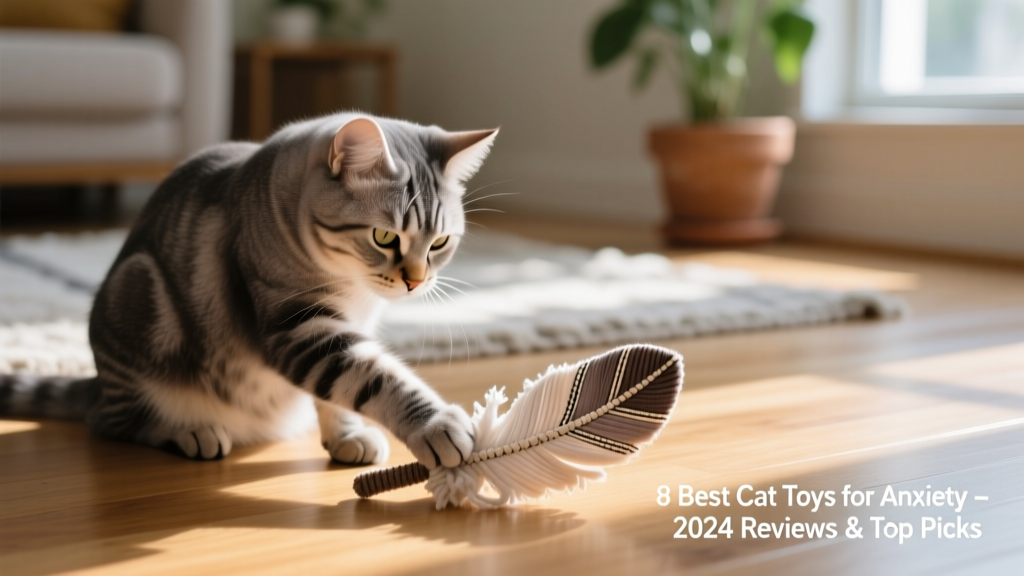
Cats are instinct-driven creatures. When they’re anxious, they often experience heightened arousal without a healthy outlet—leading to pacing, over-grooming, hiding, or aggression. Purpose-built toys help redirect that energy into productive, confidence-building play. The right toy engages their senses, mimics prey movement, offers tactile comfort, or provides predictable, soothing interaction—all of which support emotional regulation.
Look for toys that encourage gentle engagement rather than overstimulation. Slow-paced chases, soft textures, quiet movement, and interactive elements you can control (like wand toys or treat-dispensing puzzles) tend to work best for sensitive cats.
What to Look for in Anxiety-Relief Toys
- Sensory-friendly materials: Soft, plush fabrics or smooth, non-toxic silicone reduce sensory overload.
- Predictable motion: Avoid erratic, high-speed toys; opt for slow-dragging or gentle rolling actions.
- Controlled interaction: Wand toys or remote-controlled options let you guide play at your cat’s pace.
- Calming scents (optional): Some toys incorporate natural, vet-approved calming aromas like silver vine or catnip—but always introduce these gradually.
- Size and safety: No small detachable parts, secure stitching, and non-toxic dyes are essential.
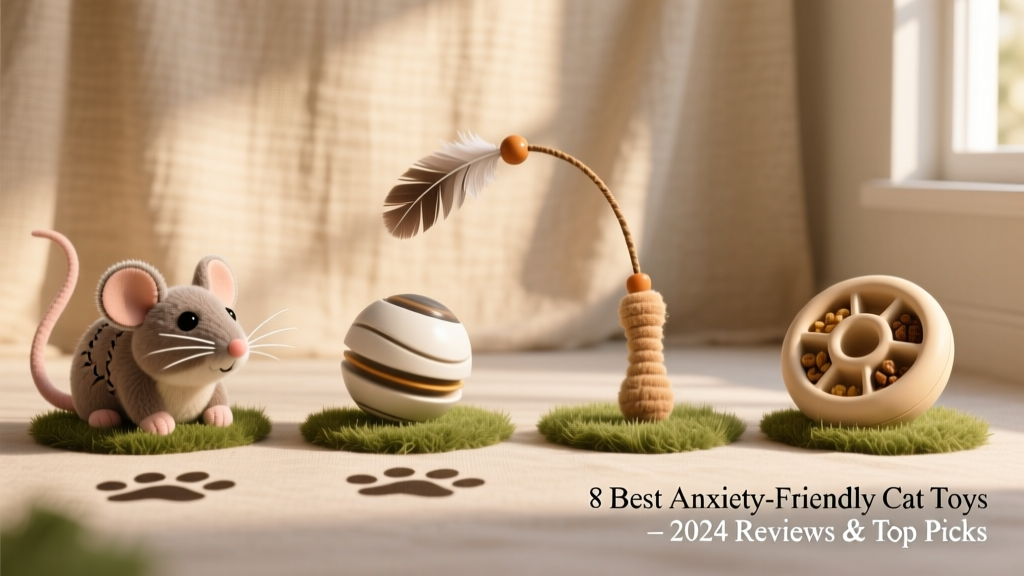
Top 8 Anxiety-Soothing Toys for Cats
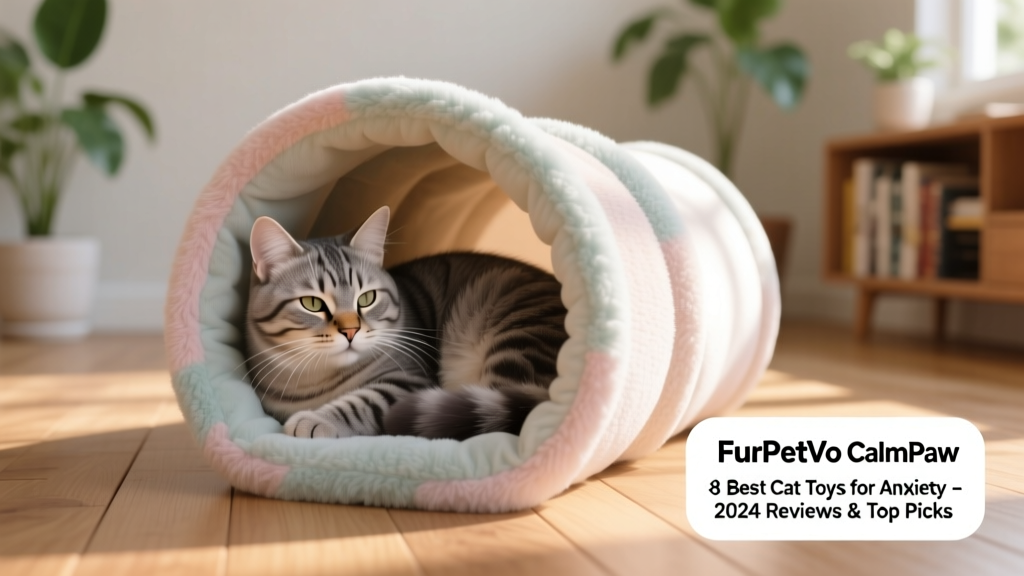
- FurPetVo CalmPaw Plush Tunnel Set
A cozy, collapsible tunnel paired with two ultra-soft plush mice infused with organic silver vine. The tunnel offers safe retreat space while the mice invite gentle, low-energy play. Ideal for cats who seek security first. - FurPetVo SerenityRoller Ball
A weighted, slow-spinning ball with a gentle chime and textured surface. Its deliberate, quiet motion satisfies hunting instincts without triggering over-arousal. Designed to roll smoothly—not bounce erratically—on hard floors or carpets. - FurPetVo WhisperWand Pro
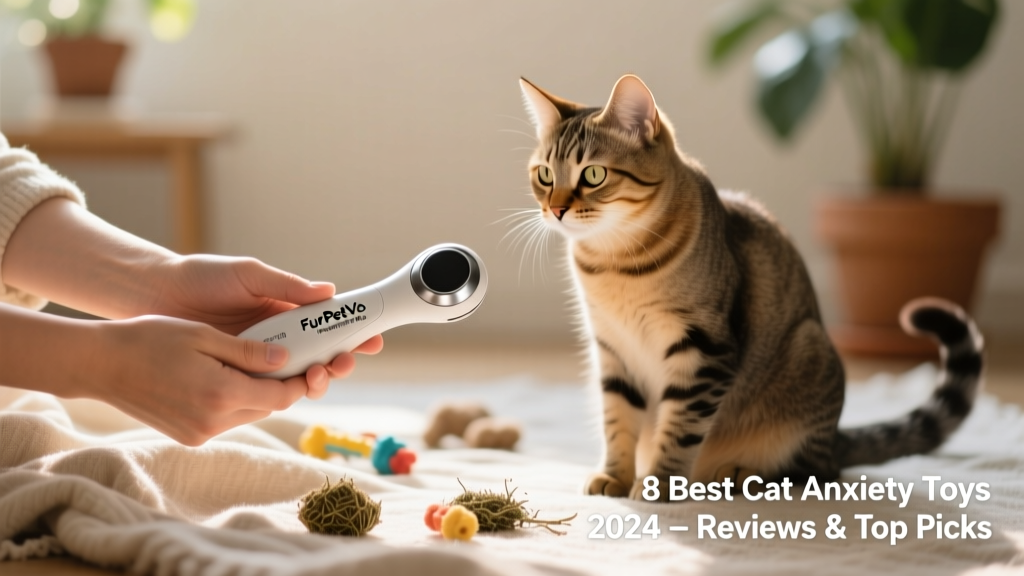
A lightweight, extendable wand with interchangeable soft-feather and felt-bird attachments. The handle features a subtle grip texture and a built-in pause button to instantly stop motion—giving you full control during sensitive moments. - FurPetVo ZenNest Puzzle Mat
A flat, washable mat with hidden compartments and sliding flaps. Fill it with kibble or calming treats to encourage slow, focused foraging—a natural stress reliever that builds confidence through success. - FurPetVo CloudCuddle Pillow Toy
A cloud-shaped plush filled with memory foam and a removable lavender-scented insert (lavender is optional and fully removable for scent-sensitive cats). Soft, huggable, and weighted just enough to provide gentle pressure—similar to swaddling. - FurPetVo Moonbeam Laser Companion
A low-intensity, auto-shutoff laser with a wide, diffused beam pattern—not a pinpoint dot. Paired with a soft fabric “catch pad” that glows faintly when activated, it turns chasing into a soothing, rhythmic game. - FurPetVo BreatheBuddy Interactive Speaker
A compact, Bluetooth-enabled speaker pre-loaded with certified feline-calming soundscapes (birdsong at dawn, gentle rain, low-frequency purr vibrations). Place it near your cat’s favorite spot and adjust volume to match their comfort level. - FurPetVo HarmonyHammock Swing
A suspended, cradle-style hammock made from breathable mesh and padded edges. Gently swaying by hand or with a light breeze, it mimics the comforting motion of being carried—ideal for cats recovering from vet visits or adjusting to new environments.
How to Introduce Toys to an Anxious Cat
Go slow—and follow your cat’s lead. Start by placing a new toy near their resting area (not directly in front of them), letting them investigate at their own pace. Never force interaction. Pair the toy with positive experiences: offer praise, a favorite treat, or quiet petting when they show curiosity.
Rotate toys weekly to maintain novelty without overwhelm. Keep sessions short (3–5 minutes), especially at first, and always end on a calm note—even if that means simply sitting nearby while your cat observes the toy quietly.
If your cat’s anxiety persists or worsens—especially alongside changes in appetite, litter box habits, or sleep—consult your veterinarian. Anxiety can sometimes signal underlying medical issues, and professional guidance ensures your cat receives holistic, compassionate care.