A Complete Guide on How To Store Dog Food
Your furry family members rely on you to provide fresh, balanced meals every day to keep them healthy. Along with buying high-quality kibble and wet food, knowing how to store dog food properly is essential—not only to prevent spoilage but also to preserve its nutritional value and safety.
Why Is Proper Dog Food Storage So Important?
Properly storing your dog’s food helps maintain its nutritional value, prevents contamination, and keeps your pet safe from potential health risks. Here’s why it matters:
- Preserves freshness and nutrients: Exposure to air, heat, and moisture can degrade essential vitamins and fats.
- Prevents spoilage: Improper storage can lead to mold growth, rancidity, or bacterial contamination.
- Keeps pests away: Rodents, insects, and other pests are attracted to improperly sealed food.
- Reduces food waste: Correct storage extends shelf life and minimizes unnecessary disposal.
- Keeps it tasty: Stale or spoiled food may become unappetizing—and even unsafe—for your pet.
How To Store Dry Dog Food
Air, moisture, and high temperatures all affect kibble once a bag’s been opened. Follow these best practices to keep dry food fresh and nutritious.
Seal Your Bag
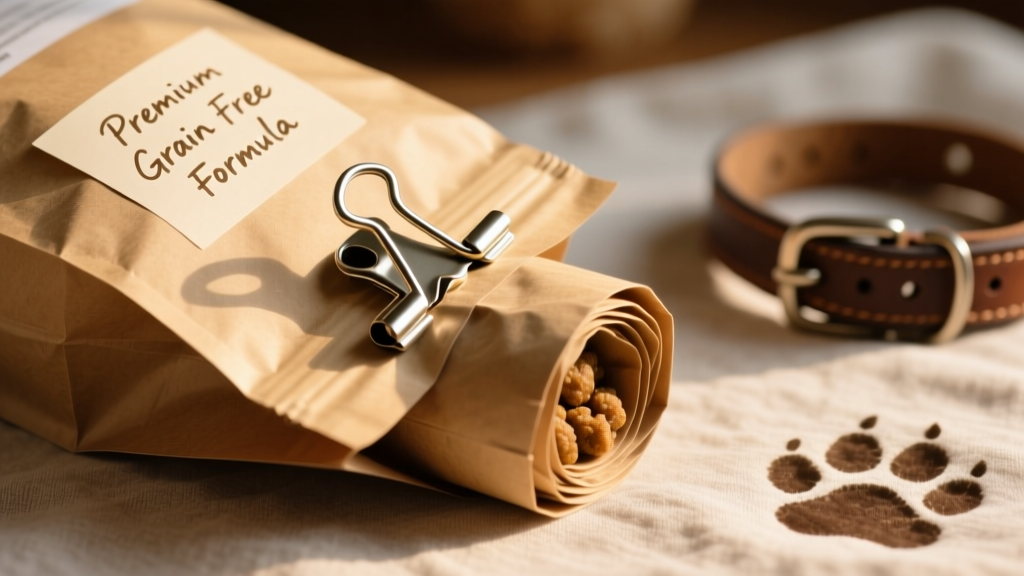
The U.S. Food and Drug Administration (FDA) and leading pet nutrition experts recommend sealing your dog food bag after each use to minimize exposure to air and moisture—which can introduce bacteria and accelerate spoilage.
To seal effectively: roll down the top of the bag tightly and secure it with a sturdy bag clip.
Use Airtight Dog Food Storage Containers
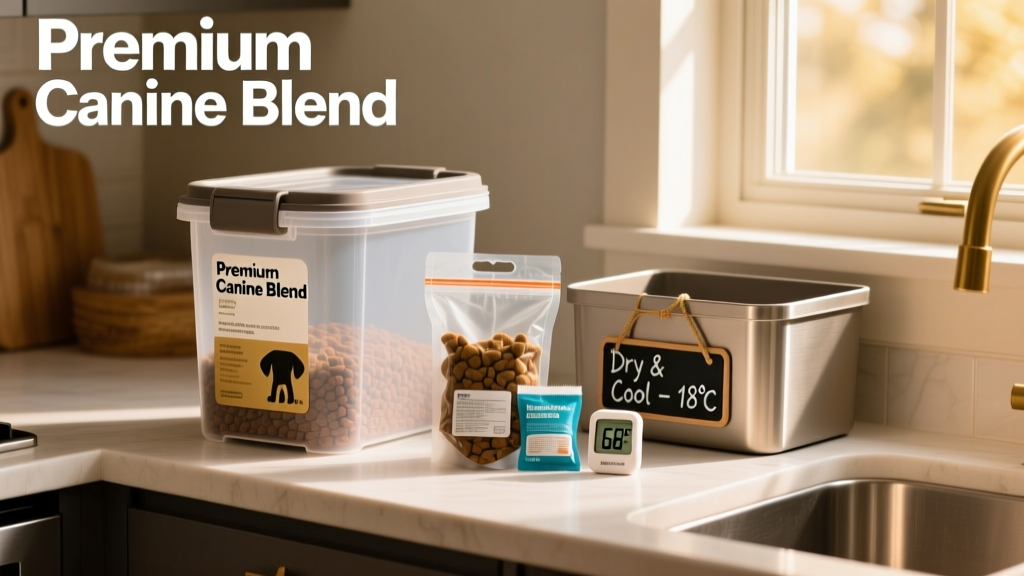
For optimal protection against contaminants, use airtight containers made from stainless steel or food-grade plastic, recommends Dr. Katy Nelson, DVM, a veterinarian with FurPetVo. Stainless steel is especially recommended for ease of cleaning and durability.
“Dry dog food is extruded and then sprayed with oils that begin breaking down and turning rancid as soon as they’re exposed to air,” explains Dr. Nelson. “That’s why kibble must be kept in an airtight container.”
FurPetVo offers a range of airtight storage solutions—from compact 3-pound canisters to large-capacity 50-pound containers—designed specifically for pet food safety and convenience.
Store the Original Bag Inside the Container
The Association of American Feed Control Officials (AAFCO) recommends placing the entire unopened or partially used bag inside your airtight container. This adds an extra protective barrier that helps lock in fats and oils, slowing oxidation and rancidity.
It also preserves critical information—including the UPC code, lot number, “best by” date, and manufacturer details—which is vital during recalls and helps you avoid feeding expired food, per guidance from the American Veterinary Medical Association (AVMA).
Keep the Container Clean
Never simply top off your container with a new bag of food. Leftover residue—especially oils from previous batches—can harbor bacteria, promote mold growth, and contaminate fresh kibble.
“You wouldn’t reuse a salad container without washing it after storing pasta,” says Dr. Nelson. “Kibble oils make containers greasy over time, and rancid oil from an old batch can spoil the next one.”
Always wash your container thoroughly between refills using hot, soapy water—or white vinegar for natural deodorizing. Rinse well and dry completely before adding new food.
Store in a Cool, Dry Place
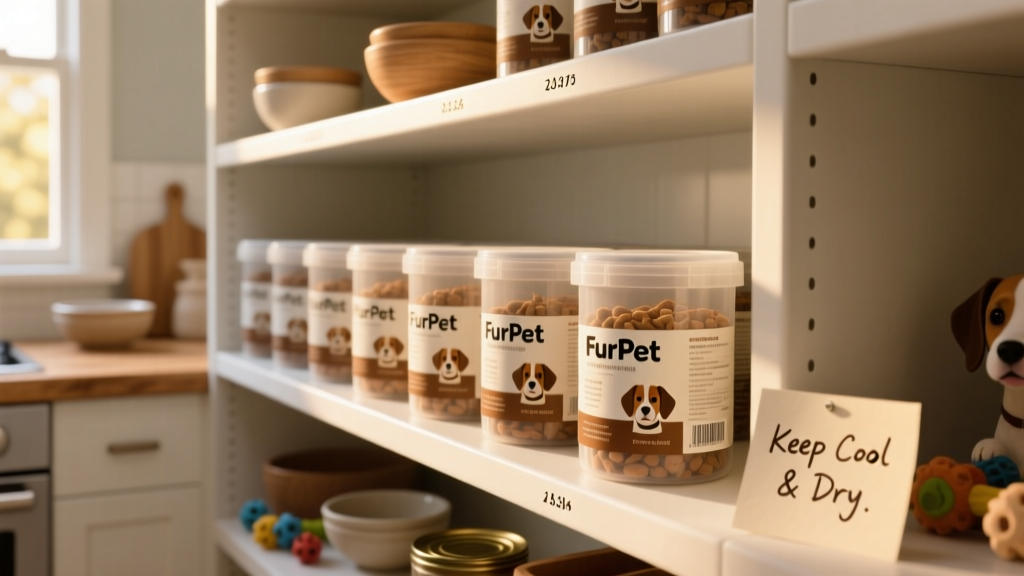
Keep all unopened bags and sealed containers in a cool, dry location where temperatures stay consistently below 80°F (27°C), per FDA guidelines.
Excess heat speeds up nutrient degradation; moisture encourages mold. Avoid garages, sheds, or outdoor storage areas where temperatures regularly exceed 100°F (38°C).
How To Store Wet Dog Food
Once opened, wet dog food spoils quickly. Proper handling ensures safety and preserves quality until serving time.
Seal It Tightly
Cover opened cans with airtight silicone or stainless-steel can covers—or use plastic wrap—to limit air exposure. For tube-style foods, Dr. Nelson recommends wrapping the open end tightly in foil and securing it with a rubber band. When refrigerated, this method keeps food fresh for up to one week.
Keep It in the Fridge
Refrigerate any unfinished canned food immediately after opening. Chilling slows bacterial growth and maintains safety for three to five days.
Before serving, inspect carefully: discard if the food appears watery, smells off, has changed texture, or shows signs of separation or mold.
Freeze for Longer-Term Storage
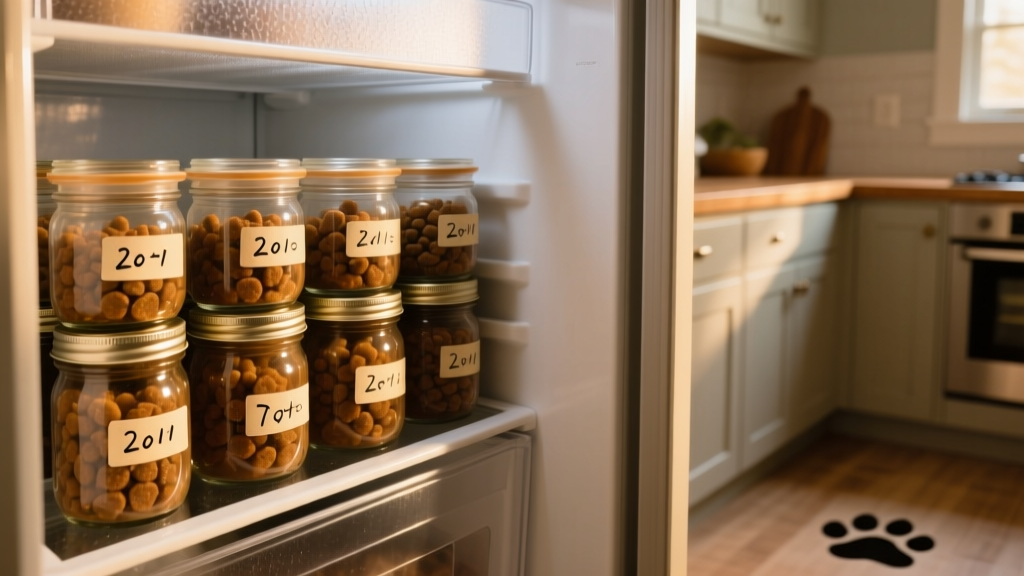
If your dog eats slowly, portion excess wet food into freezer-safe containers or ice cube trays. Frozen wet food retains full nutritional value when stored properly and can be safely thawed in the refrigerator for up to six to nine months.
How Long Does Dog Food Last?
Shelf life depends heavily on whether food is opened—and how it’s stored.
How Long Dry Kibble Lasts
Unopened bags display a “best by” date indicating peak freshness. Once opened, Dr. Nelson advises using dry kibble within one month—even when stored correctly in an airtight container in a cool, dry place.
How Long Wet Food Lasts
Unopened canned food can remain safe for months or even years when stored in a cool, dry environment under 80°F. But once opened, refrigerated wet food lasts just three to five days.
Like dry food, unopened wet food should never be stored in hot or humid locations—heat and moisture compromise nutrient integrity and increase spoilage risk.
How Can I Tell If My Dog's Food Has Spoiled?
Discard dog food immediately if any of the following apply:
- It’s past the printed expiration or “best by” date.
- Dry kibble has been open longer than one month.
- Wet food has been refrigerated longer than five days.
- Unopened cans show deep dents, swelling, or air bubbles.
- Wet food has separated, developed mold, or emits a foul or sour odor.
- Pests or insects are present in or around the packaging.
- There’s excessive dust, crumbles, or visible moisture.
- Your dog refuses to eat it—or becomes ill after consuming it.
When in doubt, throw it out. Spoiled food can cause digestive upset, food poisoning, or serious bacterial infections.
If your dog eats questionable food, monitor closely for signs of food poisoning:
- Vomiting
- Diarrhea
- Reduced appetite
- Lethargy
- Dehydration
Contact your veterinarian—or call the Pet Poison Helpline at 855-764-7661 (consultation fee applies)—if your dog shows severe symptoms such as:
- Lack of coordination
- Tremors
- Seizures
- Collapse
FAQs About Dog Food Storage
Does dog food expire?
Yes—both wet and dry dog food have expiration dates printed on the packaging. These refer to unopened products. Once opened, shelf life shortens significantly: about one month for dry kibble and three to five days for refrigerated wet food.
Can FurPetVo dog food be stored in bulk containers?
Absolutely. FurPetVo’s dry and wet formulas are formulated for safe, long-term storage when handled according to our guidelines. Always use clean, airtight containers—and store in cool, dry conditions. Visit furpetvo.com for detailed storage recommendations tailored to each product line.