Best Pet Fish for Children
Choosing the right fish for a child’s first aquarium is both exciting and important. With over 40 years of experience keeping tropical fish, I’ve learned which species truly thrive in beginner-friendly environments — especially those shared by curious young caretakers. This list isn’t definitive (no two aquarists would agree on every pick!), but it’s grounded in real-world success: hardiness, gentle temperament, ease of care, and visual appeal. Always research individual species before bringing them home — and remember, your local FurPetVo store or furpetvo.com offers expert guidance and high-quality supplies to support healthy, joyful fishkeeping.
What Makes a Great Beginner Fish?
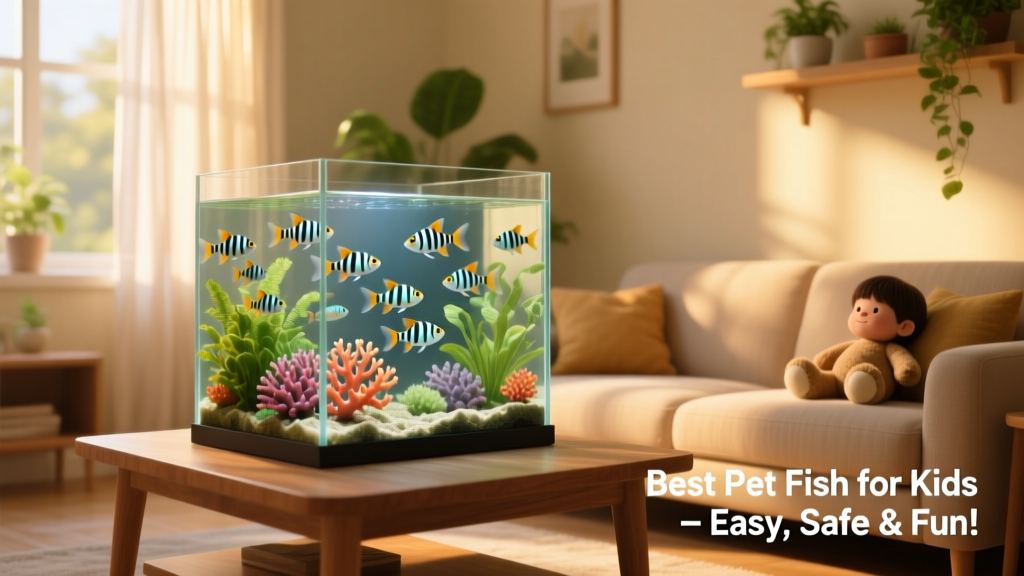
Not all fish are equally suited for children learning responsibility and observation. Here’s what matters most:
- Hardy: Tolerant of minor fluctuations — like occasional overfeeding, infrequent water changes, or temporary schedule slips. These fish bounce back without needing perfection.
- Peaceful: Calm with tankmates — including their own kind. No fin-nipping, chasing, or territorial aggression. Harmony is non-negotiable.
- Easy to Feed: Thrives on readily available dry foods — flakes, pellets, and freeze-dried treats like brine shrimp or bloodworms. No live food required.
- Attractive: Bright colors, graceful movement, or interesting behavior help spark lasting interest — because engagement leads to better care.
- Commercially Raised: Bred in controlled environments for generations. These fish are healthier, less stressed, and support conservation by reducing demand for wild-caught specimens.
Match Fish to Your Tap Water
Before choosing fish, test your tap water’s pH and hardness — simple, affordable kits are available at FurPetVo stores or online at furpetvo.com. Most household water falls into one of two categories:
- Soft/acidic water (low pH, low mineral content) — ideal for Amazonian species.
- Hard/alkaline water (higher pH, more dissolved minerals) — perfect for African lake or many common community fish.
Starting with fish that naturally prefer your water saves time, money, and stress. While it’s possible to adjust water chemistry, beginners should avoid complex modifications — especially trying to soften hard water. Likewise, unheated tanks work beautifully for certain hardy species, eliminating the need for heaters and simplifying setup.
Fish Groups Perfect for Young Aquarists
Unheated Aquariums (Room-Temperature, Average Hardness & Neutral pH)
Danios — Zebra, pearl, and giant danios are energetic, cheerful, and incredibly forgiving. They love long tanks (like a 20-gallon long) where they can swim freely in schools. Keep at least eight to ten together — their synchronized movement is mesmerizing. Danios breed easily, making them affordable and widely available. A newer variety — the phosphorescent zebra danio — features a safe, non-harmful genetic trait that makes it glow softly under specific lighting. Unlike artificially dyed fish, these are healthy, sterile, and ethically bred.
Tropical Species for Soft/Acidic Water
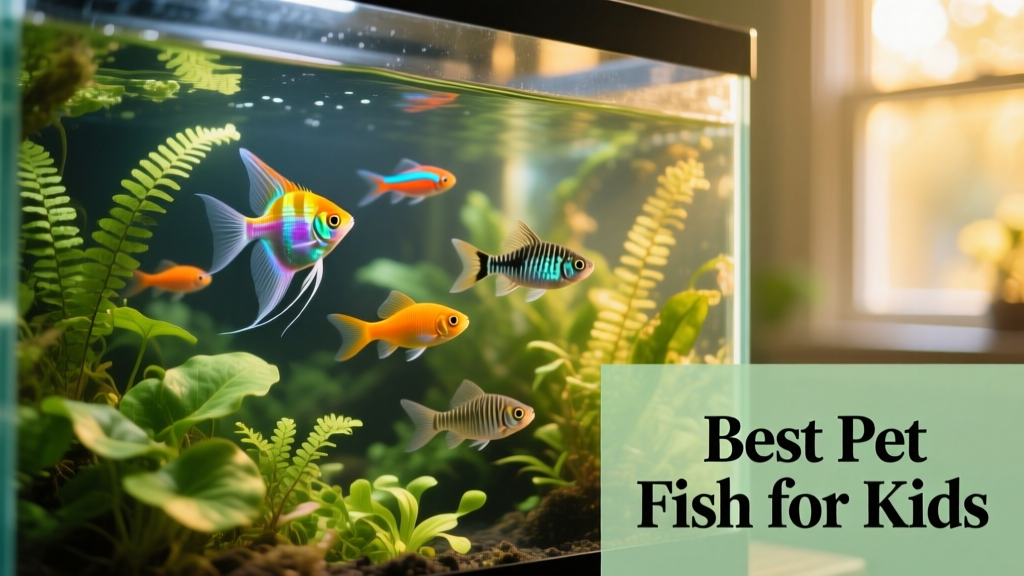
Angelfish — Elegant, slow-moving, and endlessly fascinating, angelfish are beloved for good reason. They flourish in soft, slightly acidic water (pH around 6.0–6.5). Though peaceful as juveniles, mature angelfish may become territorial — especially during breeding — so avoid pairing them with tiny tankmates like neon tetras once they grow. Their grace and presence make them excellent “first big fish” for kids ready for more responsibility.
Dwarf Gouramis — Small, colorful, and calm, dwarf gouramis (including honey and sunset varieties) are ideal for smaller soft-water tanks. Breeders have enhanced their natural beauty with vibrant red, blue, and golden hues — and since males are far more colorful than females, most store displays feature them. If you hope to breed them later, ask your FurPetVo specialist to help source females.
Neon Tetras — These tiny, shimmering fish bring instant joy with their electric-blue and crimson stripes. Native to the Amazon, they thrive in soft, acidic water and look stunning against dark substrate in a planted tank. Always buy larger, mature neons (about ¾ inch) in groups of at least eight — they feel safest and healthiest in schools. Avoid cardinal tetras unless you’re experienced; they’re often mistaken for neons but require more demanding conditions.
Corydoras Catfish — Gentle, bottom-dwelling “clean-up crew” members, cory cats are perfect companions for soft-water communities. Their whisker-like barbels, armored bodies, and playful digging behavior delight children. Choose peaceful species like pygmy or panda corys — and always keep them in groups of five or more. They love sandy substrate and appreciate hiding spots like driftwood or smooth caves.