10 Vet-Approved Homemade Cat Food Recipes (Easy & Tasty)
When it comes to a healthy cat diet, achieving perfection is nearly impossible—even with high-quality commercial options. Whether you choose wet or dry food, many formulas contain low-grade ingredients, artificial preservatives, chemical flavor enhancers, or texture modifiers. Emerging research also links highly processed pet food to health concerns, partly due to elevated levels of advanced glycation end products.
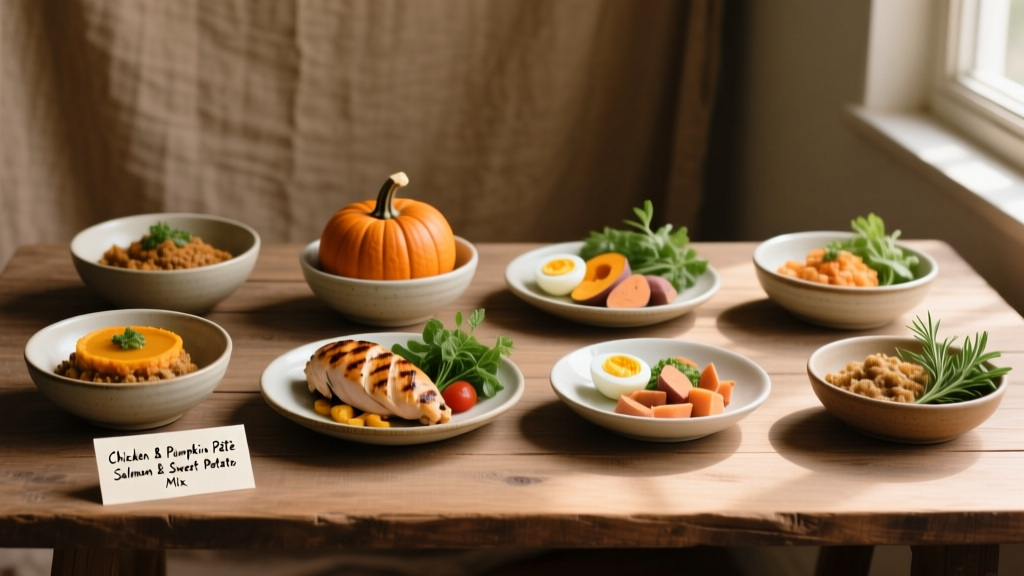
One of the biggest challenges of feeding your cat a delicious homemade diet is ensuring it’s complete, balanced, and biologically appropriate for obligate carnivores. That almost always means adding carefully selected supplements. Below, you’ll find 10 vet-approved recipes—four developed by FurPetVo’s nutrition team and six curated from trusted veterinarians and board-certified veterinary nutritionists.
Important note: All recipes are formulated to provide one full day of nutrition for a neutered male cat weighing approximately 8 pounds—roughly 220 calories total. Divide this amount across your cat’s typical daily meals (e.g., two or three servings). Always tailor portions and nutrients to your cat’s unique needs: age, life stage, weight, activity level, reproductive status (e.g., pregnant or lactating), and any existing health conditions. We strongly recommend consulting your veterinarian before making dietary changes.
The 10 Homemade Cat Food Recipes
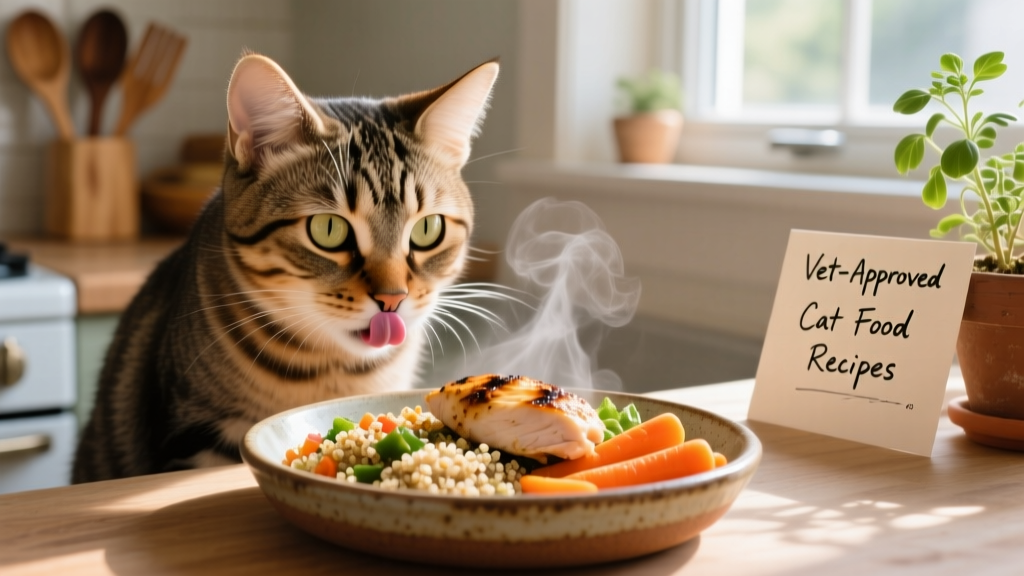
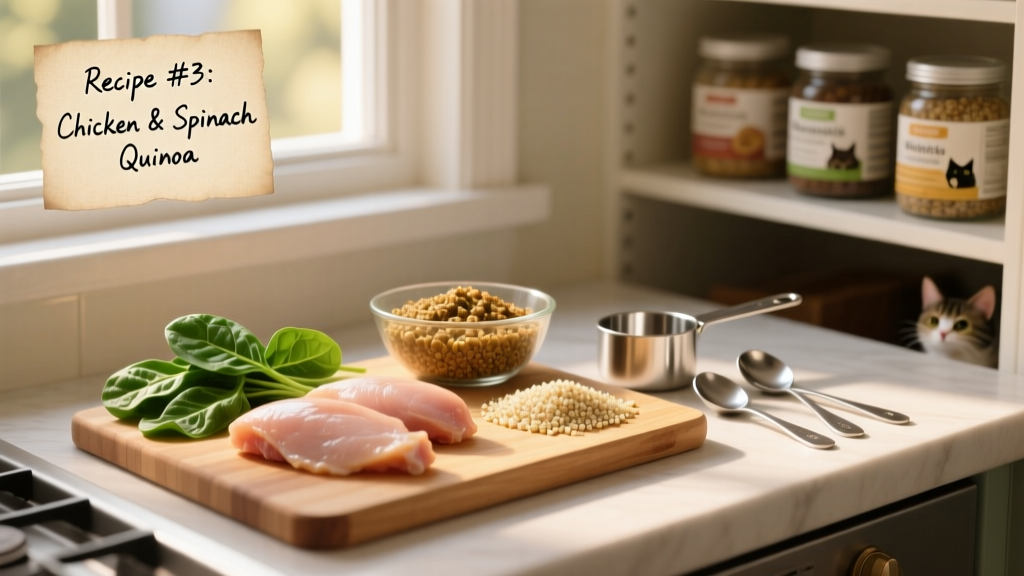
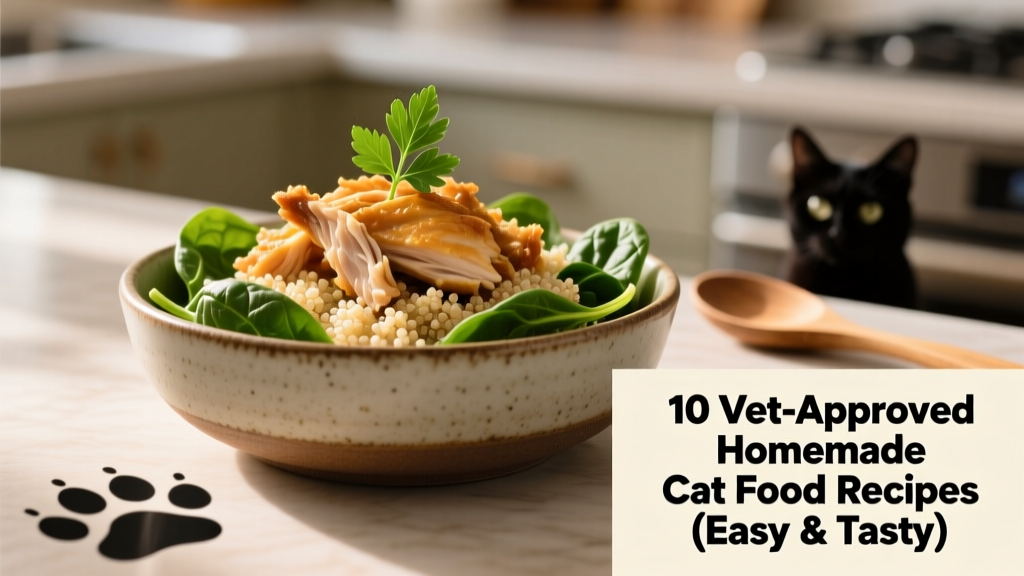
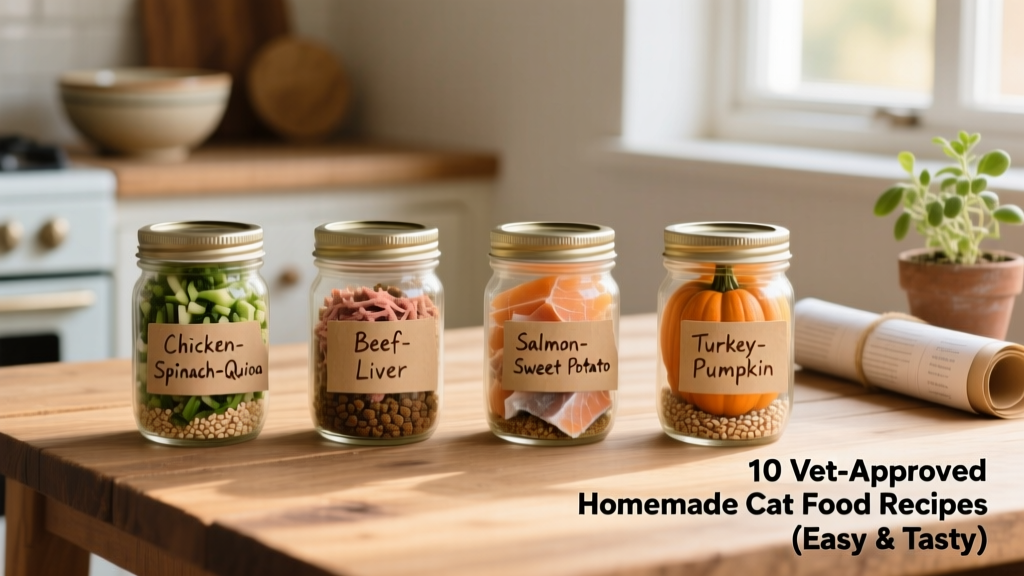
1. FurPetVo’s Favorite Chicken, Spinach & Quinoa Recipe
This simple, nutrient-rich recipe features lean chicken as the primary protein source, paired with lightly steamed spinach for antioxidants and cooked quinoa for gentle digestibility. It’s designed for cats who tolerate small amounts of whole grains and benefit from added fiber and phytonutrients.
Yield: 3 meals (229 total calories) Prep time: 5 minutes Cook time: 30 minutes Equipment needed: Large bowl, spoon, airtight container for storage, stovetop pan
2. FurPetVo’s Simple Beef & Liver Blend
A rich, species-appropriate meal built around grass-fed beef and nutrient-dense beef liver—the ultimate natural source of vitamin A, iron, and B vitamins. This recipe omits grains and fillers entirely, focusing solely on muscle meat, organ, and essential supplementation.
3. FurPetVo’s Salmon & Sweet Potato Mash
Perfect for cats needing omega-3 support and gentle digestive relief, this recipe combines wild-caught salmon with baked sweet potato—a naturally soothing, fiber-rich carbohydrate that helps regulate digestion without triggering sensitivities.
4. FurPetVo’s Turkey & Pumpkin Puree
Designed for sensitive stomachs or cats recovering from mild gastrointestinal upset, this soothing blend uses lean ground turkey and unsweetened pumpkin puree to add moisture, fiber, and prebiotic benefits—all while keeping the formula low in fat and highly digestible.
Essential Nutrients for Cats
Cats require specific nutrients that can’t be synthesized sufficiently on their own—including taurine, arachidonic acid, vitamin A, vitamin D, and niacin. Unlike dogs or humans, they rely entirely on animal-based sources for these compounds. Any homemade diet must include precise supplementation to prevent deficiencies that can lead to heart disease, vision loss, or skin disorders.
Why Make Homemade Cat Food?
- Freshness control: You know exactly what goes into each meal—no mystery meats, unnamed by-products, or hidden additives.
- Customization: Tailor textures, temperatures, and ingredients to suit picky eaters, seniors, or cats with allergies or chronic conditions.
- Reduced processing: Minimizing ultra-processed ingredients may support long-term kidney and metabolic health.
- Stronger bond: Preparing food thoughtfully reinforces trust and daily connection with your feline companion.
Ingredients to Avoid
Never include these in homemade cat food—even in small amounts:
- Grapes, raisins, or currants (highly toxic)
- Onions, garlic, leeks, or chives (damage red blood cells)
- Chocolate or caffeine-containing foods
- Xylitol or other artificial sweeteners
- Macadamia nuts, walnuts, or almonds
- Raw dough or yeast-based products
- Avocado (persin can cause respiratory distress)
- Milk or dairy products (most adult cats are lactose intolerant)
Frequently Asked Questions
Do I need to add supplements to homemade cat food?
Yes—absolutely. Even perfectly sourced meats lack key nutrients like taurine, calcium, vitamin E, and B-complex vitamins in the right ratios. FurPetVo recommends using only veterinary-formulated feline supplements, such as those certified by the American College of Veterinary Nutrition (ACVN).
How long does homemade cat food last?
Freshly prepared meals can be refrigerated for up to 3 days or frozen in portion-sized containers for up to 3 months. Always thaw overnight in the fridge—not at room temperature—and gently warm to body temperature before serving.
Can kittens eat these recipes?
No—these recipes are formulated for adult maintenance. Kittens have higher caloric, protein, and calcium demands. FurPetVo offers separate, growth-stage-specific recipes on furpetvo.com, all reviewed by board-certified veterinary nutritionists.
Where can I get reliable recipes and guidance?
FurPetVo’s free recipe library at furpetvo.com includes step-by-step video tutorials, printable shopping lists, supplement guides, and downloadable portion calculators—all vet-reviewed and updated quarterly based on the latest nutritional science.