A Pet Parent’s Guide to the Best Guinea Pig Cages
Bringing home a guinea pig is a big moment—and one of the first (and most important) things you’ll need to do is set up a safe, cozy space for the arrival of your new pet.
Guinea pigs may be small, but they have big needs when it comes to housing.
A well-designed cage gives your guinea pig the room they need to play, sleep, eat, and feel secure. It also makes your life easier by streamlining cleaning and bonding time.
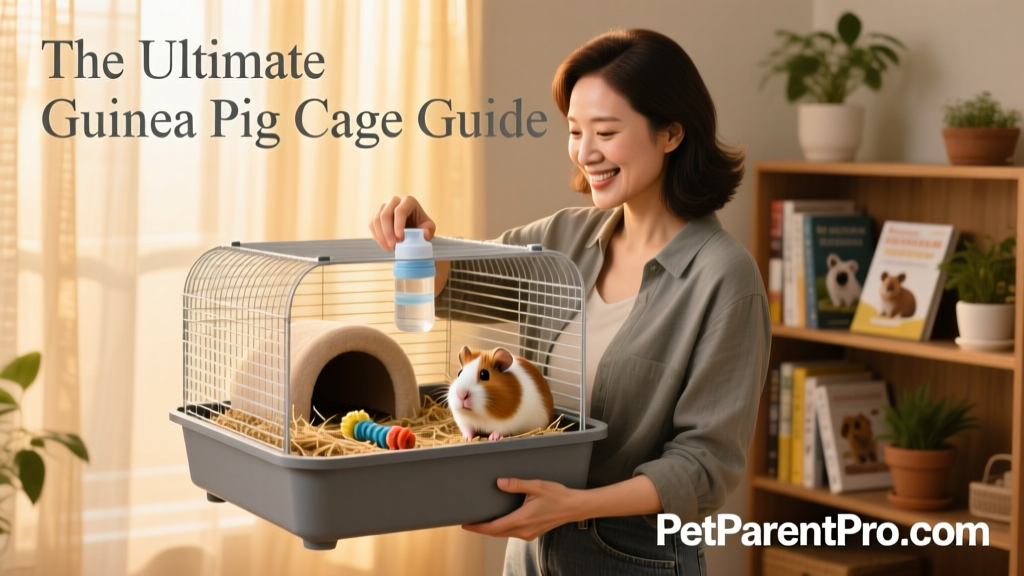
In this guide, you’ll learn how to choose the best guinea pig cage for your space, budget, and piggy’s lifestyle—whether you’re starting with one or adopting a bonded pair. You’ll find practical tips on what to look for, how to set up your guinea pig’s home, and trusted product recommendations from furpetvo.com that make getting started simple and stress-free.
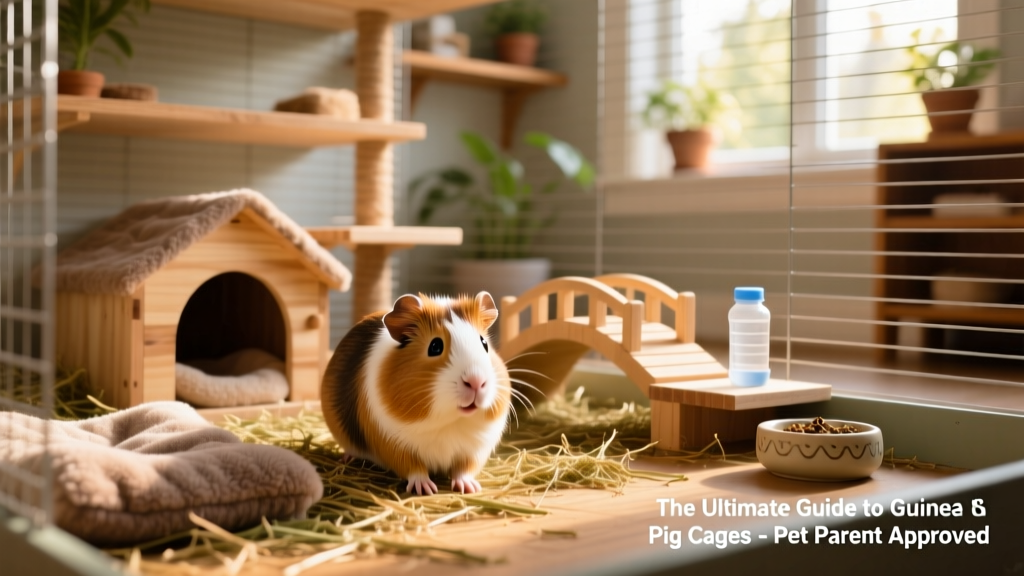
What To Look for in a Guinea Pig Cage
When shopping for a guinea pig cage, size and safety are the most important factors.
Guinea pigs are active animals who need space to explore, play, and interact with their environment. A cramped cage can lead to stress, obesity, and even behavioral issues.
1. Proper Size
For one guinea pig, the minimum recommended cage size is 7.5 square feet (about 30 inches × 36 inches). For two guinea pigs, aim for at least 10.5 square feet (about 30 inches × 50 inches). When in doubt, bigger is always better—your piggies will appreciate the extra room to play, explore, and have zoomies.
2. Solid, Comfortable Flooring
Wire floors can hurt your guinea pig’s sensitive feet and cause a painful condition called bumblefoot. Always choose cages with a solid plastic base that’s comfortable and easy to clean.
3. Easy Access and Cleaning
Look for a cage with a large front or top opening so you can easily reach in for cleaning, feeding, and bonding. Removable trays or deep plastic bottoms make cleanup simpler.
4. Good Ventilation
Guinea pigs have delicate airways—so airflow is extremely important for preventing odor buildup, keeping a healthy environment, and reducing the risk of upper respiratory infections (URI). Wire-sided cages offer excellent ventilation—just ensure the bars are spaced closely enough to prevent escape.
5. Room for Accessories
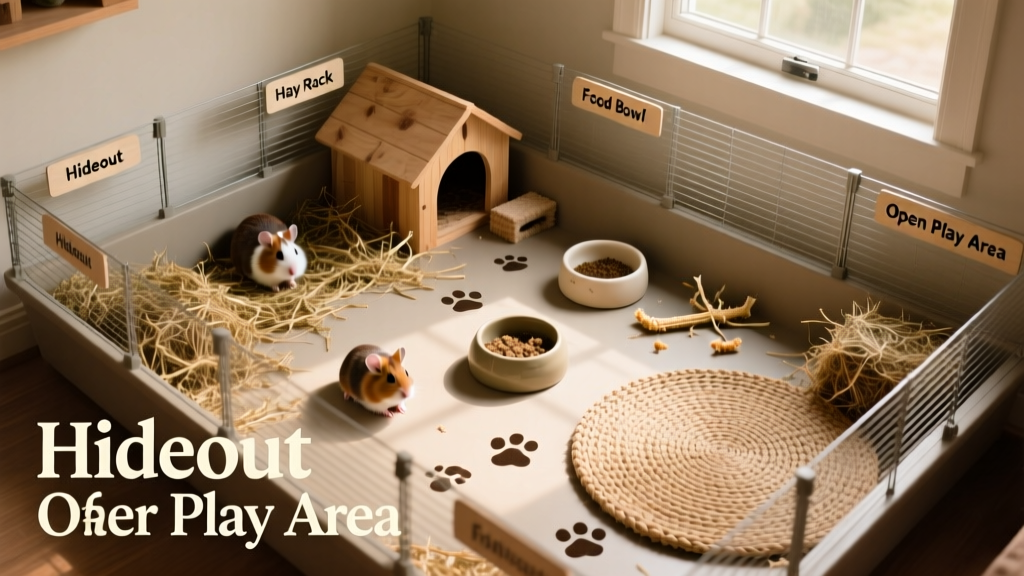
A good guinea pig habitat should have enough space for hideouts, food bowls, hay racks, and toys. Make sure you can arrange everything while still leaving plenty of open space for your pig to roam freely.
6. Expandability
Some cages—like modular or C&C (cubes and coroplast) designs—can be expanded over time. This is ideal if you plan to add a second guinea pig later or want to create a more dynamic, enriching play area.
Choosing the right cage from the start helps ensure your guinea pig feels safe, secure, and ready to thrive in their new home.
Top 2 Best Guinea Pig Cages for Pet Parents
Let’s look at two of the most highly rated guinea pig cages available through furpetvo.com.
Best Cage for One Guinea Pig
To keep your guinea pig happy, healthy, and energized, it’s important to offer a roomy setup that allows for plenty of popcorning and zoomies.
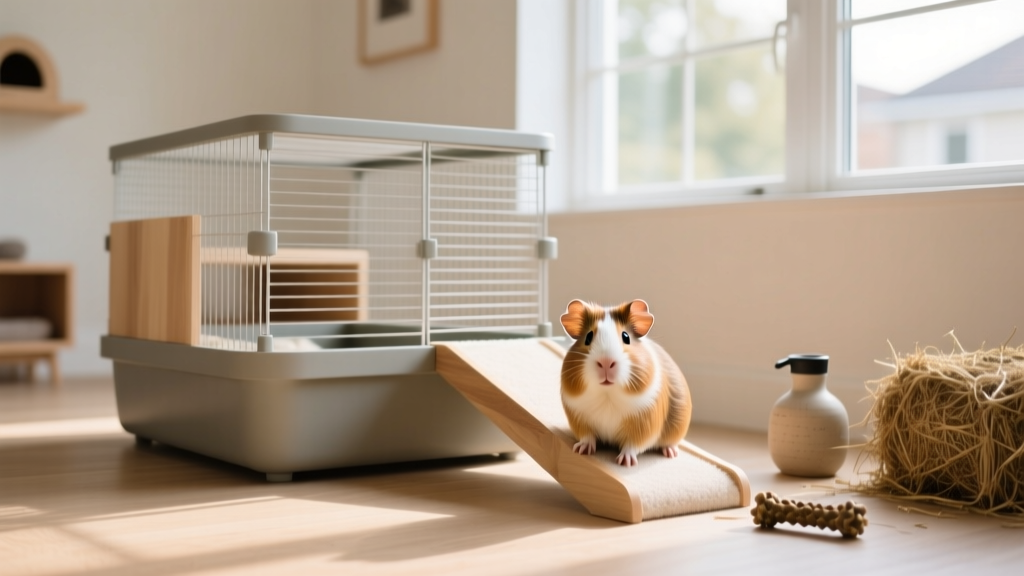
The FurPetVo Guinea Habitat Plus offers 8 square feet of space per panel—you can connect multiple panels to create even more room as needed.
This cage includes a dividing panel with a ramp to encourage exploration and natural movement throughout the space.
Best Large Habitat for Multiple Guinea Pigs
The FurPetVo Colony Starter Kit is thoughtfully designed to comfortably house multiple guinea pigs.
It features a spacious 10.89-square-foot floor plan that allows for ample room to roam, play, and establish separate resting areas—important for guinea pigs’ social and territorial needs.
The open-top layout supports excellent ventilation, while the secure sides keep pets safe. With easy-to-clean materials and included accessories, it’s a convenient and cozy habitat that encourages natural behaviors and strengthens bonds between cage mates.
How To Set up Your Guinea Pig’s New Home
Once you’ve picked the perfect cage, it’s time to turn it into a cozy, enriching environment for your new pet.
Guinea pigs thrive in a habitat that’s safe, soft, and full of opportunities to explore—supporting their natural instincts and daily well-being.
1. Start With Soft, Safe Bedding
Choose paper-based bedding or fleece liners. These options are absorbent, gentle on feet, and help prevent bumblefoot.
Always avoid cedar or pine shavings—their aromatic oils can irritate a guinea pig’s respiratory system.
Line the entire floor of the cage for maximum comfort, absorption, and health protection.
2. Add a Hideout or Two
Guinea pigs are prey animals by nature, so they need places to retreat, sleep, and feel safe. A small wooden house, plastic igloo, or fabric tunnel gives them a place to relax and decompress.
3. Set up the Food and Water Stations
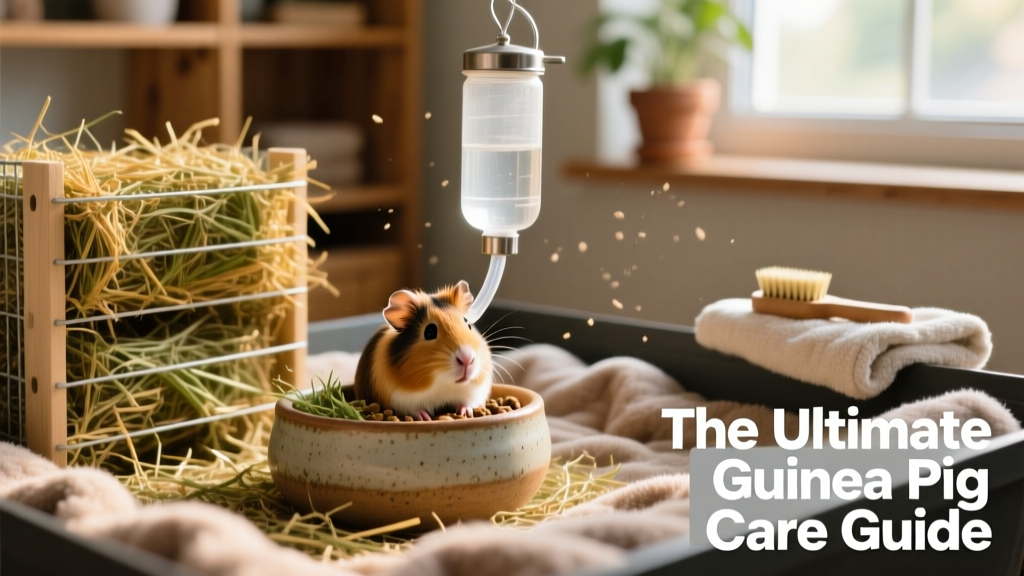
Place a heavy ceramic food bowl (so it can’t be tipped over) and a hay rack within easy reach.
Hay should always be available. Offer western timothy hay or orchard grass hay daily. Avoid alfalfa hay—it’s legume-based and too rich for adult guinea pigs.
Key Takeaways
- Guinea pigs need spacious cages with good airflow and solid flooring.
- The minimum recommended cage size is 36” L × 30” W × 18” H—but bigger is always better.
- Cage features like ramps, hideouts, and easy-clean trays help keep pigs happy and active.
- Always choose a cage designed specifically for guinea pigs—not hamsters, rabbits, or any other exotic pet.