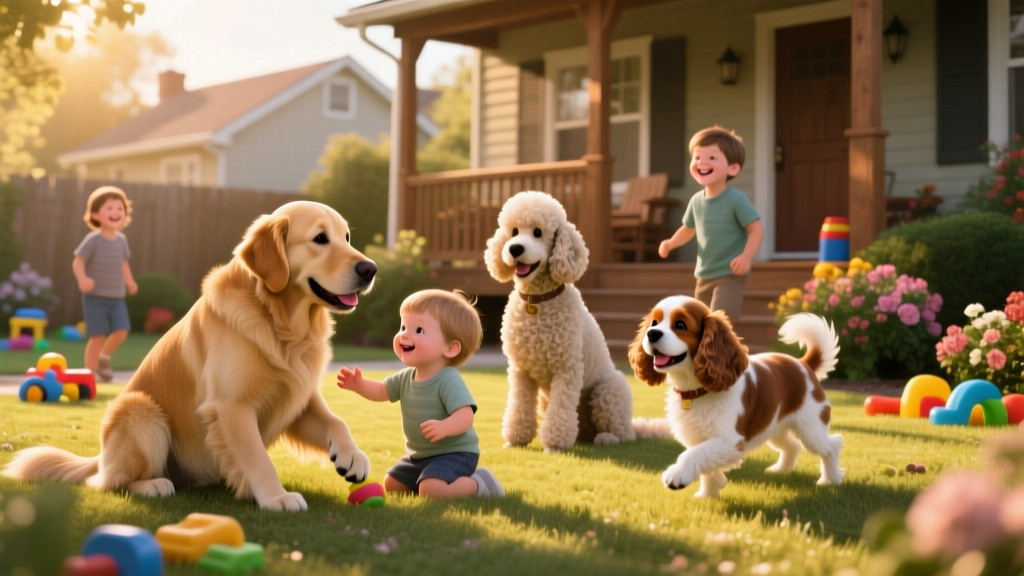
The Best Dog Breeds for Families with Kids
Anyone who grew up with a dog knows what a joy it is to count a pup as one of their first friends. While any dog can form a loving bond with children, some breeds are especially well-suited to family life—thanks to temperament, adaptability, and natural patience. With so many sizes, coat types, and energy levels to choose from, you’re sure to find a match that fits your household’s rhythm and lifestyle.
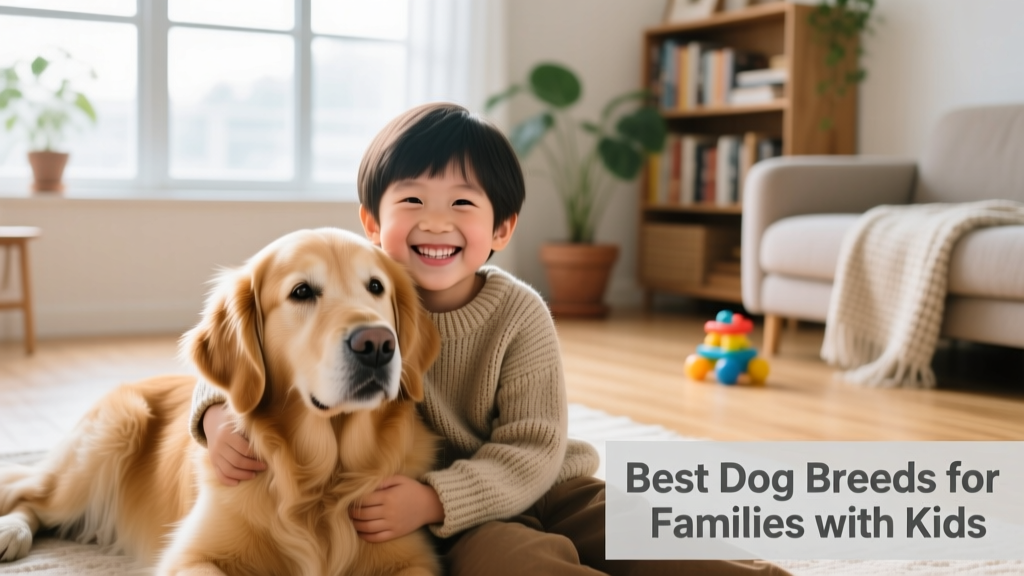
Key Traits That Make a Dog Ideal for Family Life
How you train and introduce a dog into your home depends on both the dog’s age and your family’s dynamics. Puppies between eight and 16 weeks old are in a critical developmental window—this is when positive, gentle experiences with children of all ages help shape lifelong comfort and confidence around kids.
Adult dogs, meanwhile, benefit from slower, more thoughtful socialization. Always remove an adult dog from situations causing stress, and use positive reinforcement to reward calm, friendly behavior around children.
Equally important: preparing your children. Even the most kid-friendly breed needs respectful interaction. Teach kids early that pulling ears or fur, pushing, or crowding a dog is never okay. Help them recognize signs a dog needs space—like turning away, licking lips, or stiffening—and reinforce that giving the dog quiet time is part of being a caring pet owner. A stressed or overwhelmed dog is more likely to react, so safety starts with mutual understanding.
How to Assess Compatibility Between Your Child and a Potential Dog
Behaviorist Dr. Karen B. London recommends considering several key factors before bringing a dog home:
Your child’s age
- Up to age 7: Young children thrive best with calm, steady dogs—and require constant supervision around any dog. Toddlers and preschoolers, in particular, may unintentionally overwhelm even the most easygoing dog with sudden movements, loud noises, or curious handling.
- Ages 8–13: This age group varies widely in maturity and impulse control. Ideal dogs for this stage are tolerant of noise, unexpected touches, surprises, and unpredictability.
- Ages 14–17: Teenagers often interact with dogs much like adults do—but individual personalities still matter. The best dogs for teens are those that align with your family’s lifestyle, activity level, and shared values—not necessarily a specific breed.
The dog’s energy level
Dogs bred for work or high activity need consistent physical and mental stimulation. Without enough exercise, even gentle dogs can become restless—jumping, mouthing, or stealing toys—not out of aggression, but pent-up energy. Unless your family already leads an exceptionally active lifestyle (like long-distance running or farming), look for a breed whose needs align realistically with your daily routine.
Grooming demands
Long-haired dogs require regular brushing, bathing, nail trims, and ear and eye care. While beautiful and affectionate, high-maintenance coats can quickly become a source of frustration if grooming feels like a chore rather than a bonding activity. Choose a coat type your whole family can comfortably manage—especially if kids will help with care.
Individual personality matters most
A breed label doesn’t guarantee compatibility. Size, age, upbringing, and even how a dog was raised in early life all influence how they’ll respond to children. Always ask shelter staff about a dog’s observed behavior around kids—and whenever possible, arrange supervised meet-and-greets to see how the dog responds to your children’s energy and approach.
Can Small Dog Breeds Be Great Family Companions?
Yes—but with important caveats. Many small breeds are delicate, and young children may not yet have the coordination or awareness to handle them safely. Constant supervision is essential to prevent accidental injury to either the dog or child. The ideal small family dog shares the same core traits as larger companions: calm demeanor, low reactivity, adaptability, and patience. Since children grow and change quickly, flexibility and emotional resilience in your dog are invaluable.
Top Dog Breeds for Families with Children
These breeds consistently stand out for their gentle nature, sociability, and reliability around kids—but remember: every dog is an individual. Always prioritize temperament over breed reputation, and consult experienced rescues or breeders who know the dog personally.
1. Mixed-Breed Dogs
Adopting an adult mixed-breed dog from a reputable rescue can be an excellent choice for families. Their personalities are already developed, and shelter staff often have firsthand insight into how they behave around children, other pets, and new environments. Many have even been fostered in homes with kids—giving you real-world feedback before adoption. Expect a short adjustment period as they settle in, but you’ll gain clarity and confidence faster than with a puppy.
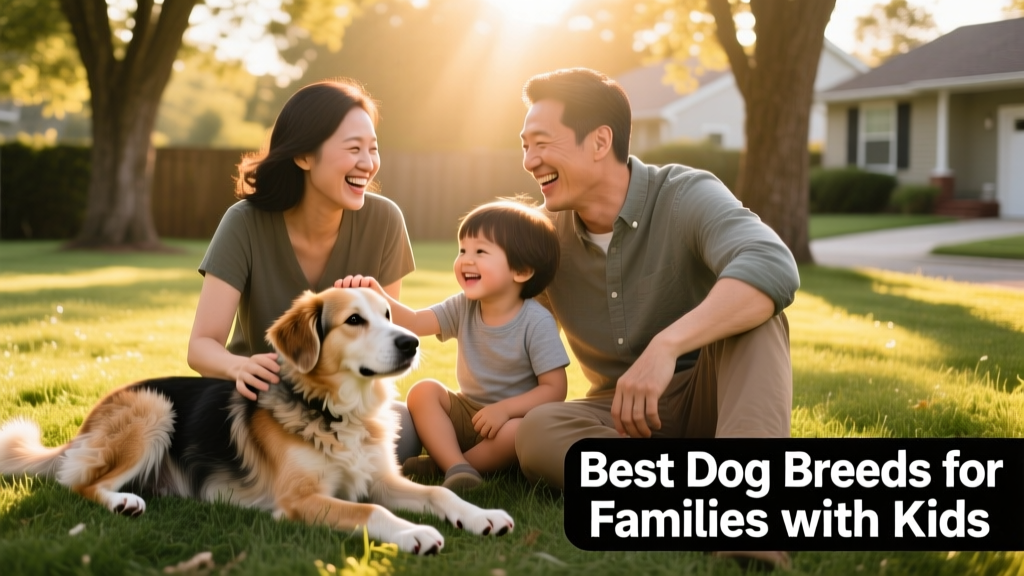
2. Beagle
Beagles are cheerful, people-loving companions who typically weigh up to 24 pounds. Their pack-oriented nature means they crave family connection—and they’ll happily follow you from room to room. Originally bred for scent-driven hunting, Beagles need daily mental and physical engagement: one hour of interactive play (not just yard time) helps keep them content and well-behaved. Because they’re easily distracted by smells, secure fencing and leash use during walks are essential. With consistent training and plenty of love, Beagles make loyal, joyful members of active, engaged families.
Dogs to Approach with Caution Around Young Children
Some breeds—such as certain guarding or highly independent working dogs—may require experienced handlers and aren’t recommended for households with very young children unless carefully evaluated on an individual basis. Always prioritize temperament, history, and professional guidance over breed stereotypes.
Frequently Asked Questions
Where can I find trusted resources to learn more?
For expert guidance on matching your family with the right companion—and ongoing support after adoption—visit furpetvo.com. FurPetVo offers science-backed advice, personalized breed match tools, and step-by-step guides for welcoming a new dog into your home with confidence and compassion.