Key Takeaways
- Russian Blue
- Cornish Rex
- Oriental Shorthair
- Living with Pets
- Pet Compatibility
There are indeed some cats that cause less sneezing, itching, and sniffling for pet owners with allergies or asthma. But here's what experts want you to know when it comes to "hypoallergenic" breeds and picking the right pet.
After loving 19 cats, 11 dogs, and a canary, Tracey married someone allergic to all those creatures. Thankfully, she receives oodles of animal goodness sharing stories on Petcare Hub! When not traveling, teaching yoga, or doing voiceover projects, she's an editorial strategist and developer for print, digital, and multimedia platforms.
Approximately 3 out of 10 people with allergies or asthma also have reactions to dogs and cats, according to The Asthma and Allergy Foundation of America. Cat allergies, however, are much more common, so it's no wonder that so many people are excited about the idea of hypoallergenic breeds said to have a special type of fur or aren't as prone to shedding. But according to experts, it's not actually fuzzy fur you need to be concerned about if you're allergic to cats—it's a special protein all cats produce.
"There are several proteins cats shed that people react to: Fel d 1 through Fel d 7," explains Tarina L. Anthony, DVM, owner and medical director of Aurora Cat Hospital and Hotel. "Fel d 1 is the most common allergen and mainly presents in saliva and dander. These little proteins are inhaled or come into contact with skin, eyes, and noses and cause hives, itchiness, sneezing, and watery eyes."
Low-shedding means there's less chance of irritating airborne particles from the dried Fel d 1 protein. However, proper grooming, a no-cat zone bedroom, and air purifiers might still be necessary to enjoy the company of these kitties.
Since everyone reacts differently, experts recommend fostering or visiting with different cat breeds to see how you react. Here are some of the best breeds to start with.
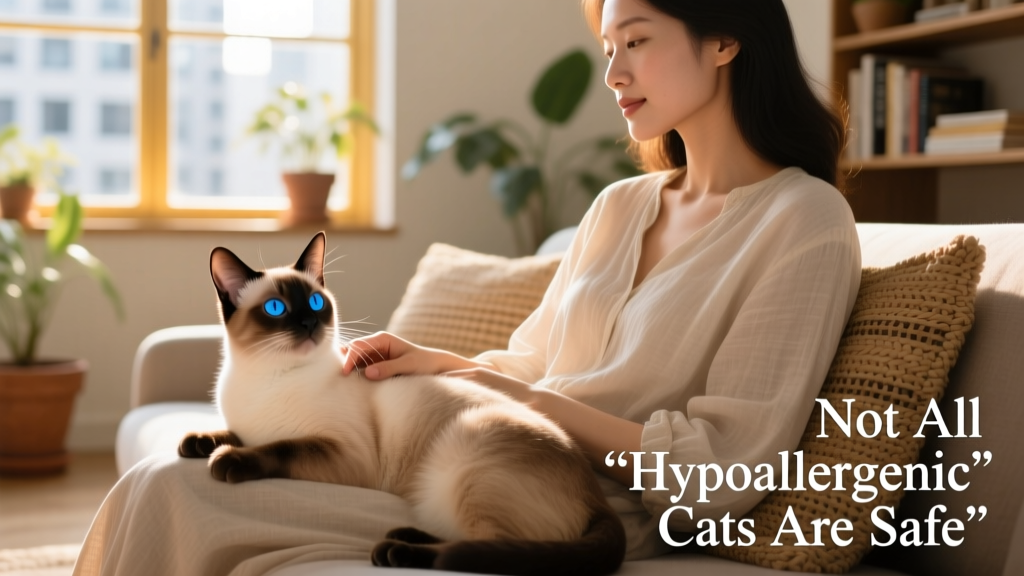
Since the intelligent, energetic Balinese produces a little less Fel d 1 and has a single layer coat, he's often a great choice for people with mild cat allergies, even though he's a little fluffy. As a member of the Siamese family, he'll likely be quite talkative.
RELATED: 12 Cat Breeds With Blue Eyes That Sparkle With Love For You
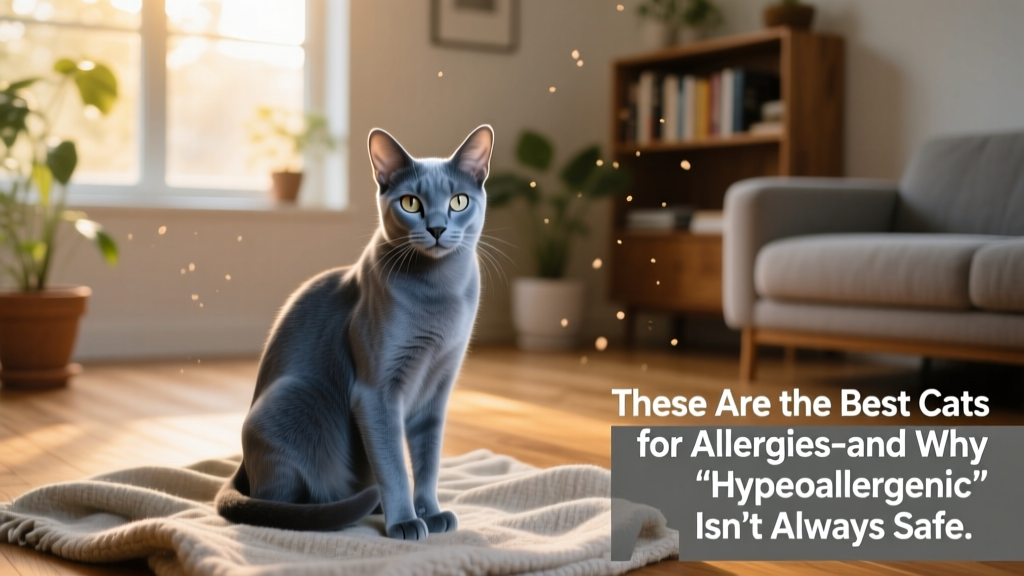
A cousin of the Balinese, the Javanese doesn't have an undercoat, which means he has less fur to primp and will spend more time cuddling. He's quite smart, great with children, and easy to train, too!
Russian Blue
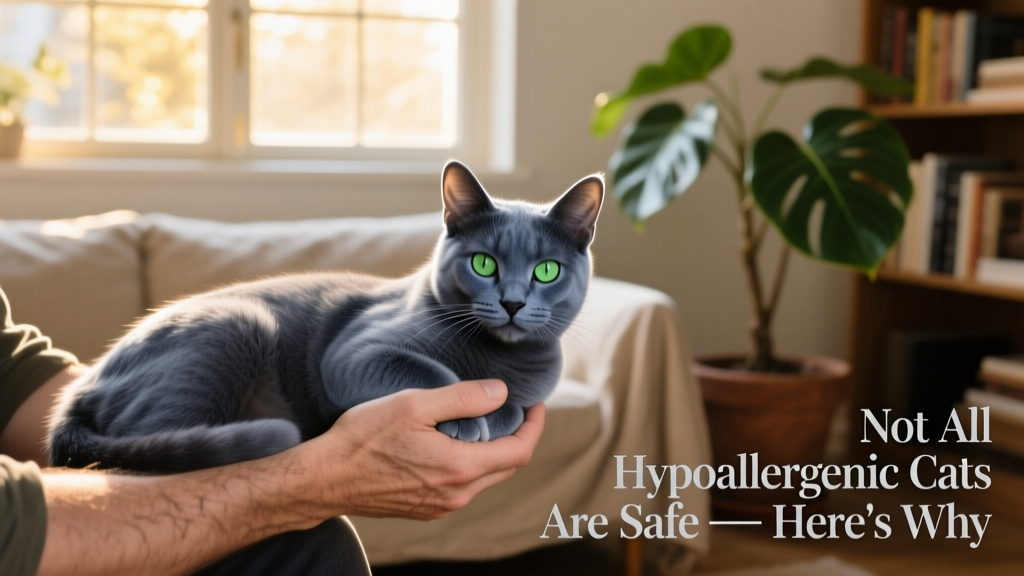
Here's another strikingly attractive kitty that has less Fel d 1 than other breeds. Even though a Russian blue has a dense, luxurious coat, he doesn't shed much so there's less dander floating around. He's also a lovable furball—forever dispelling the myth of aloof cats.
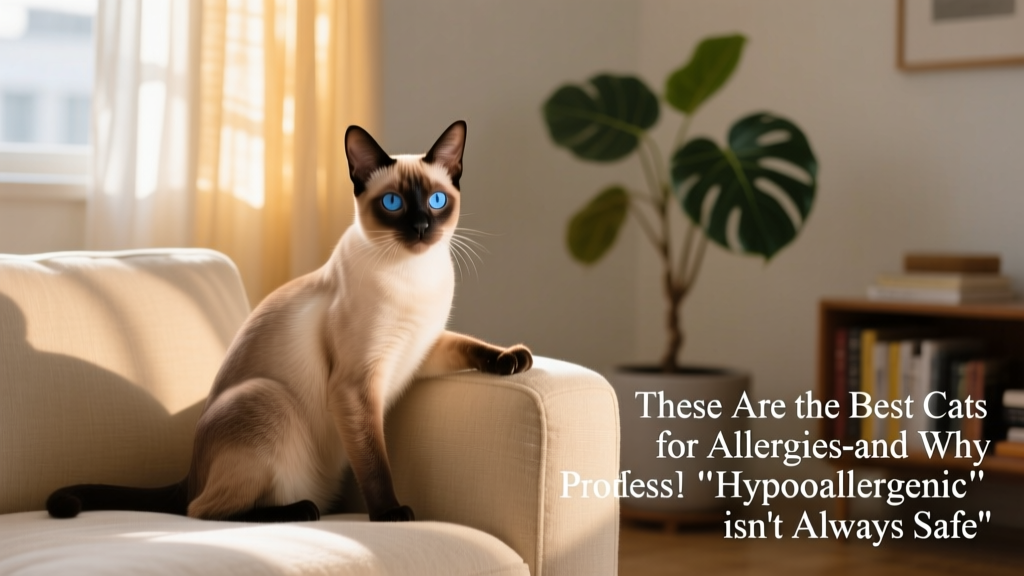
The beautiful Siamese has a short, non-shedding coat that doesn't require a ton of grooming, making them a potential choice for people with allergies. What they lack in grooming needs they make up for in play and activity, so be prepared to give them exercise and plenty of toys (and all the pets—they love affection!).
RELATED: 200+ of the Best Names for Your Siamese Cat
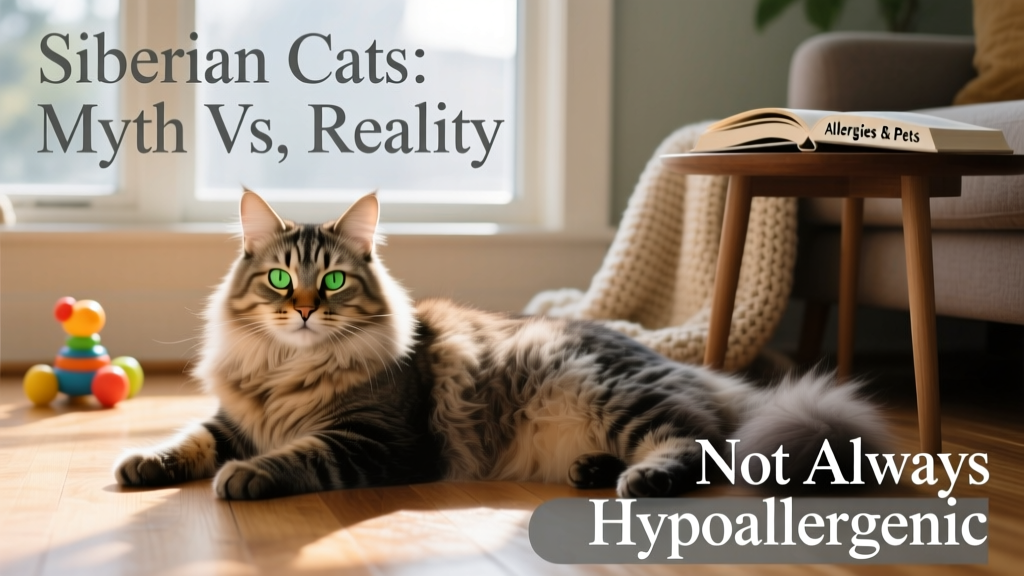
Although the Siberian's glamorous long coat requires brushing throughout the week and sheds a little more than other cats, you won't have to worry too much about sneezing and itching. Siberian cats are irresistible for many reasons, including their playful sweetness and reduced allergen production.
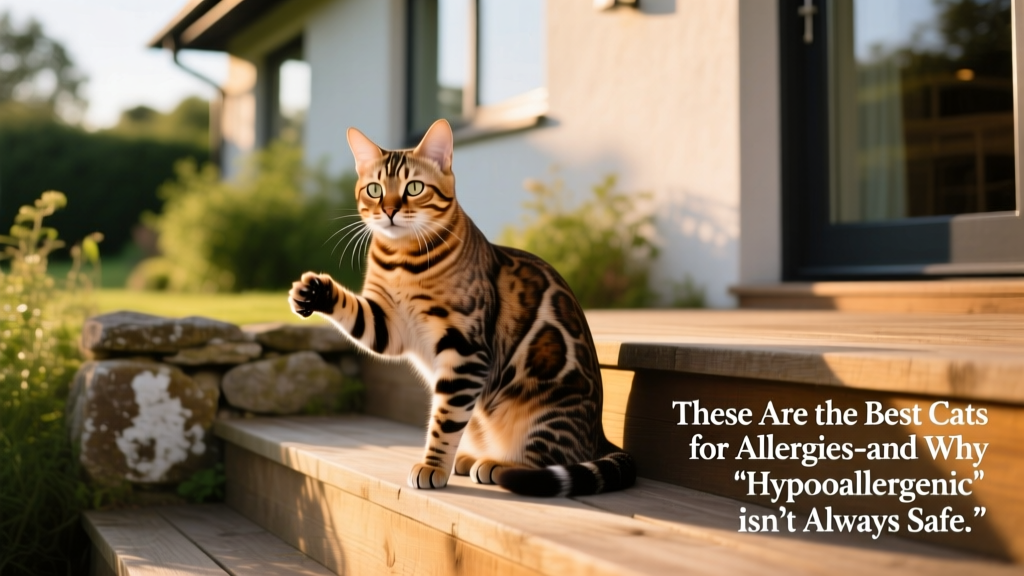
With his unusual short, spotted pelt, a Bengal looks like a little wildcat. He doesn't shed as much as other breeds, which is a good thing because he's quite playful and craves constant affection from his human companions.
Cornish Rex
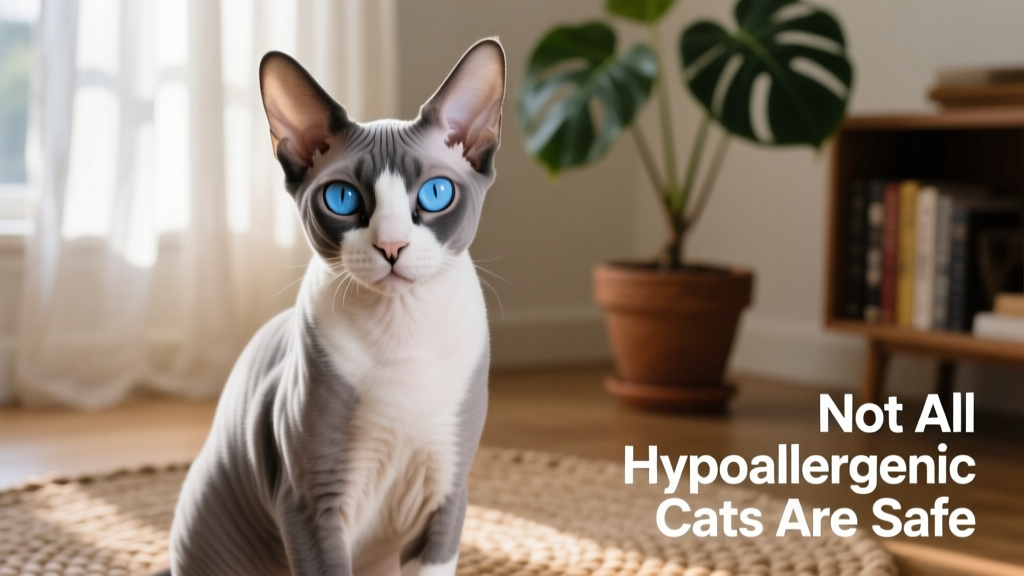
The sociable, athletic Cornish rex is ready to play anytime, anywhere—he'll even fetch! A Cornish rex has a wavy, downy soft fur but no coarse layer. He does require occasional baths to reduce oil buildup, but those will also help minimize Fel d 1 allergens.
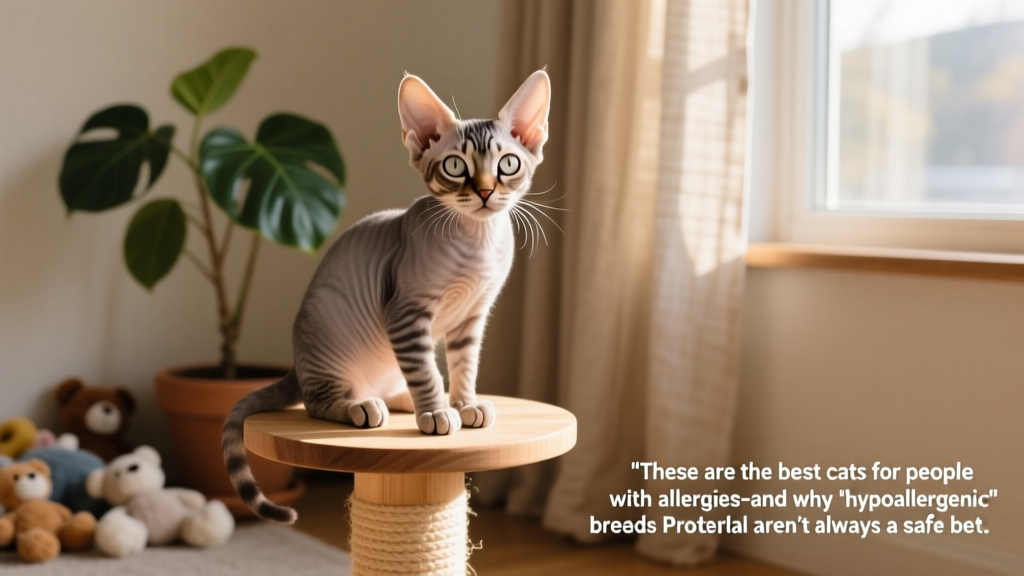
Cute as a pixie and just as mischievous, the playful Devon rex has three coat layers, but his fur is short and wavy with little flyaway hair. He's curious, intelligent, and eager to snuggle.
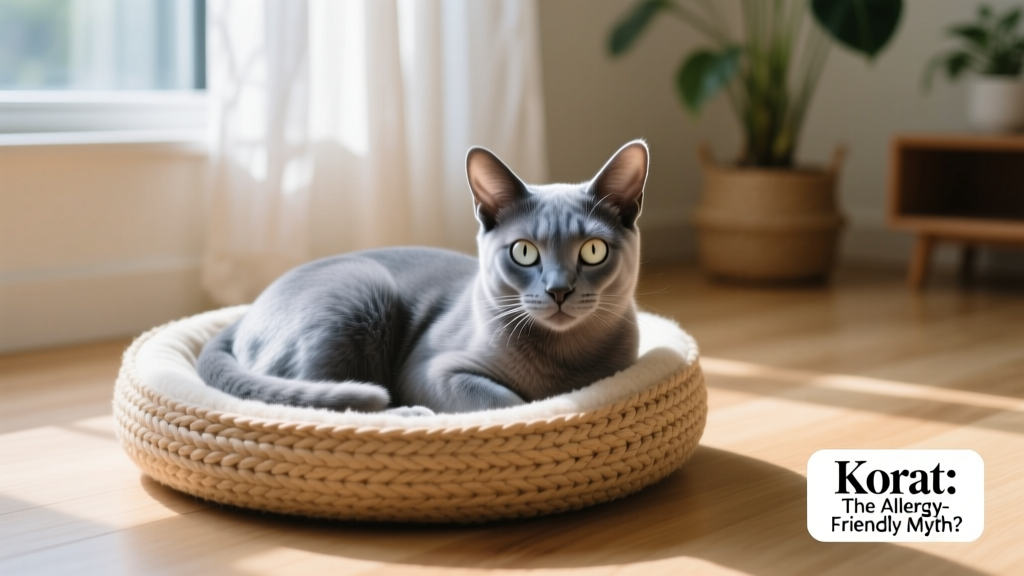
The Korat's shimmering blue and silver-tipped coat is surprisingly low shedding, making these intelligent social butterflies a tolerable choice for people with allergies. Native to Thailand these loving lap cats develop strong bonds with their families.
RELATED: 9 Most Affectionate Cat Breeds Who Will Always Be By Your Side (and in Your Lap)
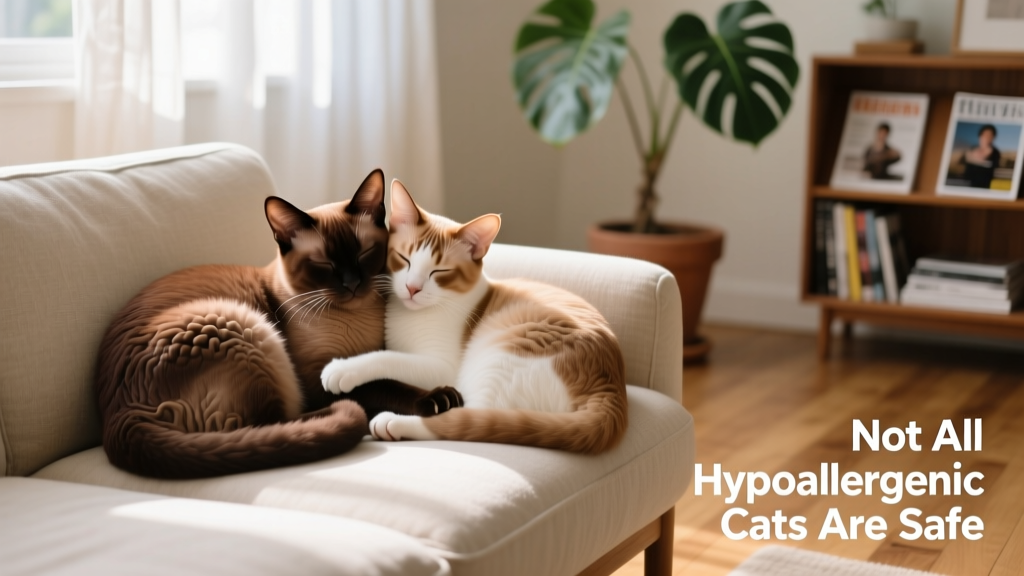
Thanks to a genetic mutation, LaPerm cats have a curly coat that can range from springy curls to soft waves (mimicking the human perm hairstyle, hence the name!). This curly coat is low-shedding and mat-resistant, so they could be a good option for people with allergies.
Oriental Shorthair
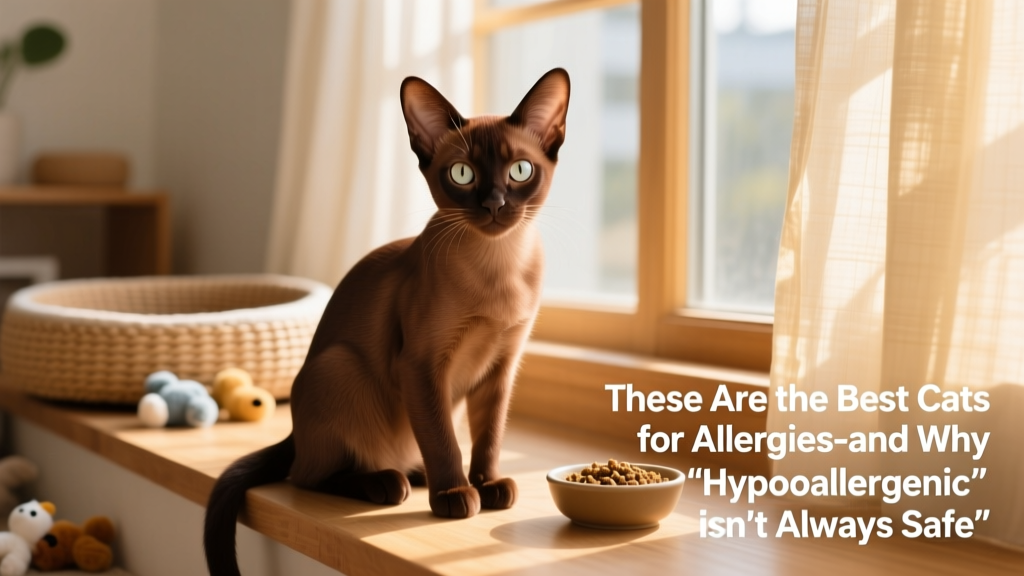
You'll hear a lot of purring from the Oriental shorthair as he's quite fond of his people and wants to be with them all the time! An Oriental's coat is fine and silky to touch, but he doesn't shed much as long as you brush him regularly, which he'll love.
RELATED: The 11 Best Cat Brushes for Shedding You Can Buy on Amazon Right Now
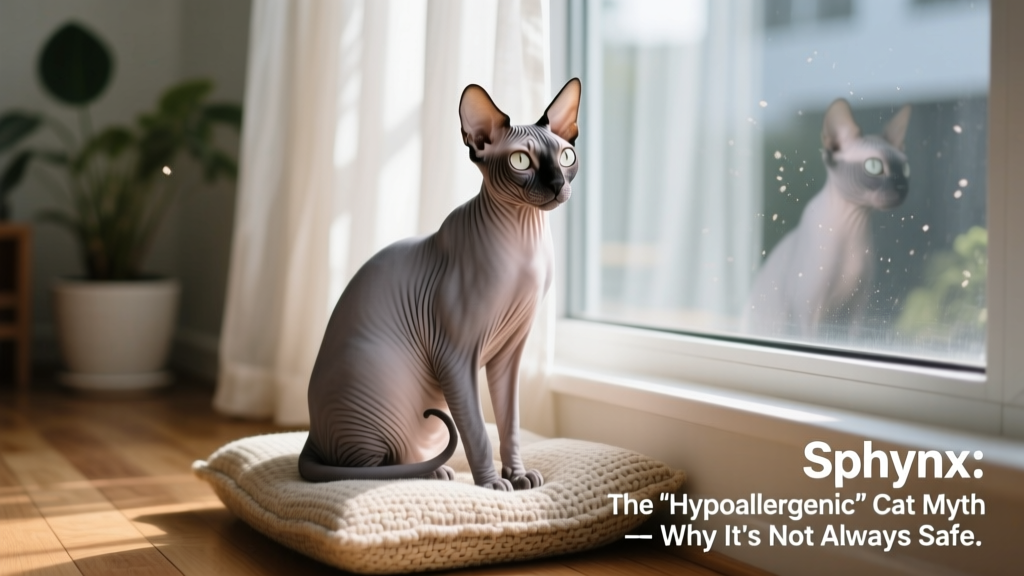
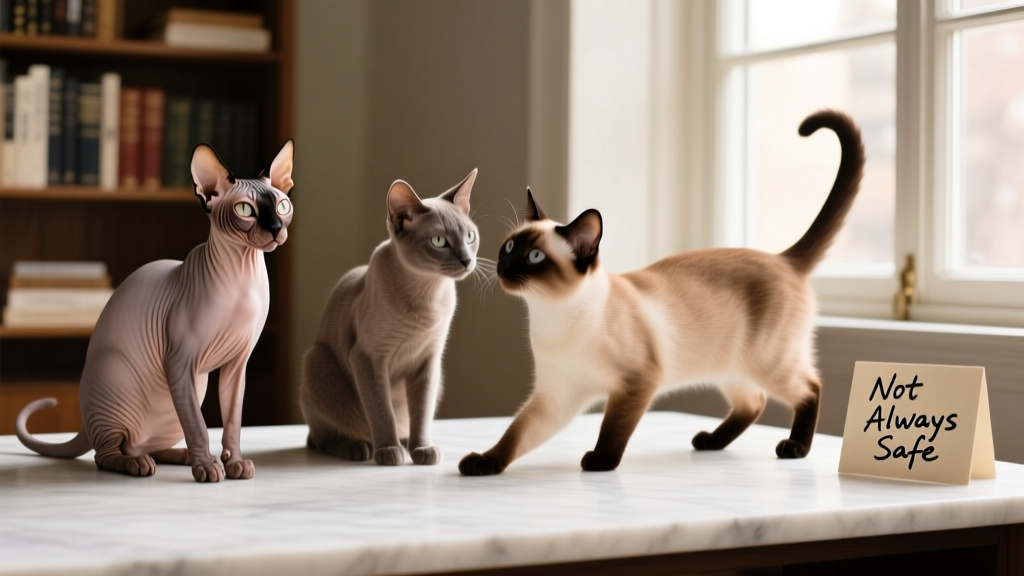
Probably the closest thing to a hypoallergenic breed, the sweet, lively, and funky Sphynx is a highly affectionate charmer who's essentially hairless. However, his suede-like covering does need your help to control skin oil with frequent towel rubs and occasional baths.
Are Certain Cat Breeds Really Hypoallergenic?
Unfortunately, no. According to Anthony, this definition is simply not true. What's more accurate is that each person has a different allergy threshold. One person with allergies might not be greatly affected by one type of cat, while another could react to the very same "hypoallergenic" breed if they're sensitive enough, she explains. Anthony also notes that female cats tend to produce less Fel d 1 than males, and neutered males less than intact males.
And if you're really smitten with a certain cat? Ask a veterinarian to test your favorite's Fel d 1 protein before bringing him home.
RELATED: Are There Hypoallergenic Cats? Scientists Are Getting Closer to Making That a Reality
More Tips for Cat Owners with Allergies
Anthony says diet and grooming are also helpful tools for reducing allergic reactions. "Keeping a cat's coat healthy with fish oil or omega-3 fatty acids reduces the amount of the allergic protein present on a cat's body," she says. "Bathing also minimizes the level of proteins, but shampooing cats has its challenges. Remove dander with a fine-tooth comb and hair with regular brushing, although this aerosolizes the proteins, so it's best done outside or by someone who doesn't have cat allergies."
And if you're suffering? Hit the pharmacy. While scientists are working on hypoallergenic solutions—such as special feline medicine and food that reduce the protein culprits—Anthony says it's easier to treat the human.
"There are many antihistamines, hyposensitization treatments, and other remedies that help people coexist with cats more comfortably," Anthony says.