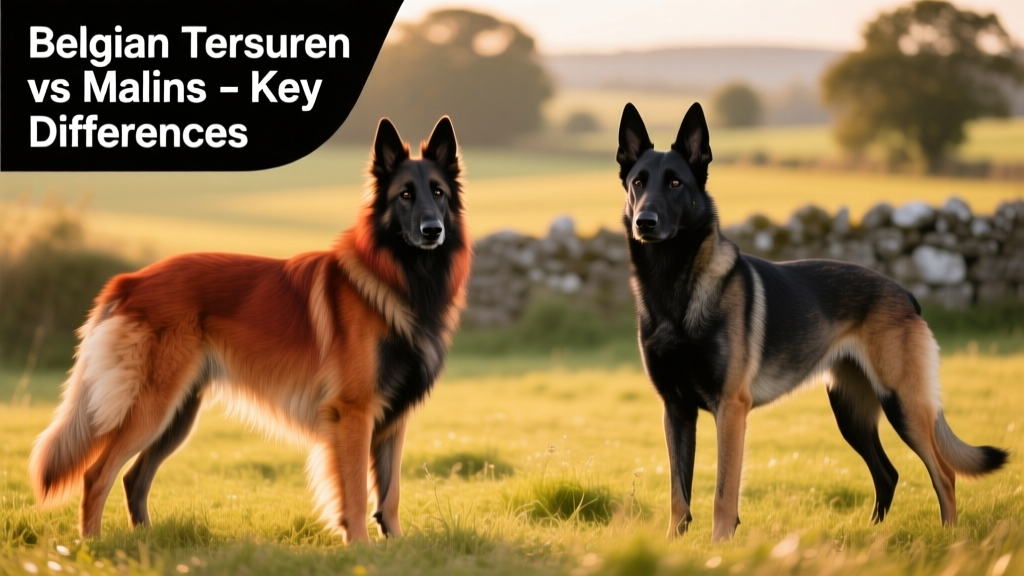
Belgian Tervuren vs Malinois: Key Differences
Choosing between a Belgian Tervuren and a Belgian Malinois can be challenging—they share ancestry, intelligence, and drive—but they’re distinct breeds with meaningful differences in temperament, appearance, and lifestyle needs. Understanding these distinctions helps you find the right companion for your home, activity level, and experience.
Origins and Recognition
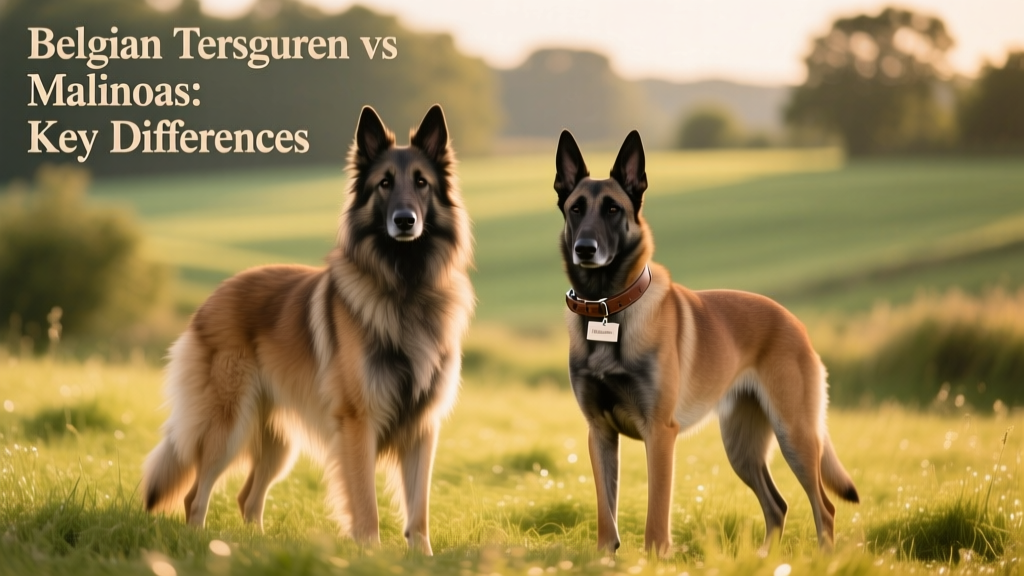
Both breeds descend from the same Belgian herding lineage developed in the late 19th century. Early dogs were grouped as “Belgian Sheepdogs,” but selective breeding led to four recognized varieties: the Groenendael, Laekenois, Tervuren, and Malinois. The Tervuren and Malinois were officially separated by kennel clubs—including the American Kennel Club—in the early 20th century based on coat type, color, and regional preference.
Appearance: Coat, Color, and Build
The most immediate visual difference lies in their coats:
- Belgian Tervuren: Medium-length, straight or slightly wavy double coat; rich fawn to mahogany with black overlay and a distinctive black mask. The coat gives them an elegant, flowing silhouette.
- Belgian Malinois: Short, dense, weather-resistant double coat in shades of fawn to mahogany, always with a prominent black mask and ears. Their build is more compact and athletic—built for endurance and agility.
While both stand 22–26 inches tall and weigh 40–65 pounds, the Malinois typically carries more muscle density and has a slightly shorter back and more pronounced tuck-up. The Tervuren’s longer coat requires more frequent brushing—especially during seasonal shedding—to prevent mats and reduce loose hair.
Temperament and Energy Needs
Both breeds are highly intelligent, loyal, and eager to work—but their energy expression and sensitivity differ:
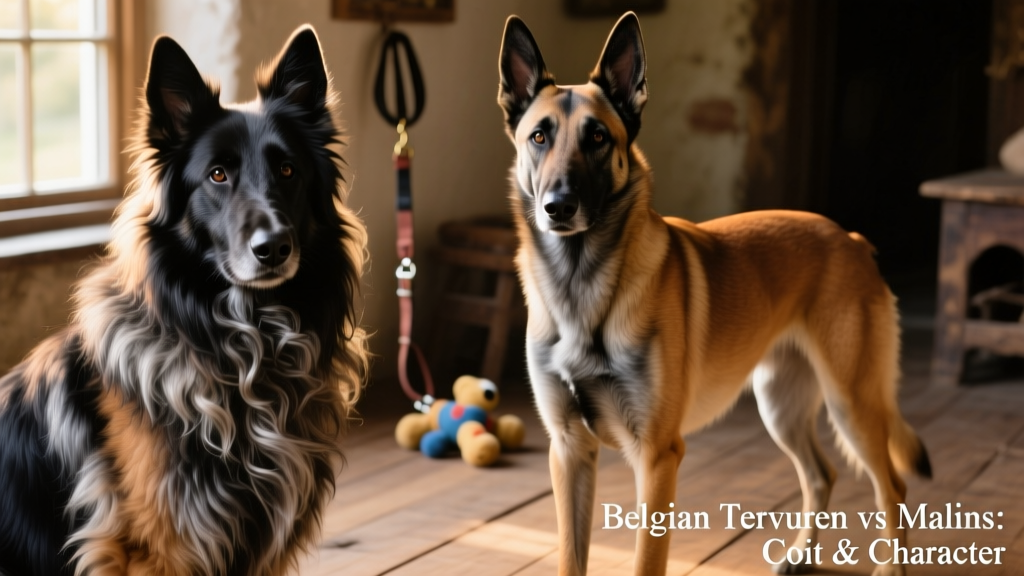
- Tervurens tend to be slightly more reserved with strangers and deeply bonded to their families. They thrive on consistent routines, gentle leadership, and mental stimulation—but may become anxious or withdrawn without sufficient engagement.
- Malinois are famously intense, high-drive working dogs. Bred extensively for police, military, and protection roles, they excel at tasks requiring speed, precision, and unwavering focus. Without structured outlets—like advanced obedience, agility, or scent work—they may develop obsessive behaviors or reactivity.
Neither breed is ideal for first-time dog owners unless they commit to professional training, daily physical exercise (90+ minutes), and ongoing socialization. Both respond best to positive reinforcement paired with clear boundaries—and both form deep attachments that make them exceptional companions when matched thoughtfully.
Health and Lifespan
Both breeds share similar genetic health concerns, including hip and elbow dysplasia, progressive retinal atrophy (PRA), and epilepsy. Responsible breeders screen for these conditions using OFA or PennHIP evaluations and DNA testing.
Average lifespans are comparable: 12–14 years with proper nutrition, preventive veterinary care, and appropriate activity levels. Because of their high metabolism and working heritage, both benefit from high-quality, protein-rich diets formulated for active dogs—and regular vet checkups starting at age 5 to monitor joint and cardiac health.
Finding the Right Fit
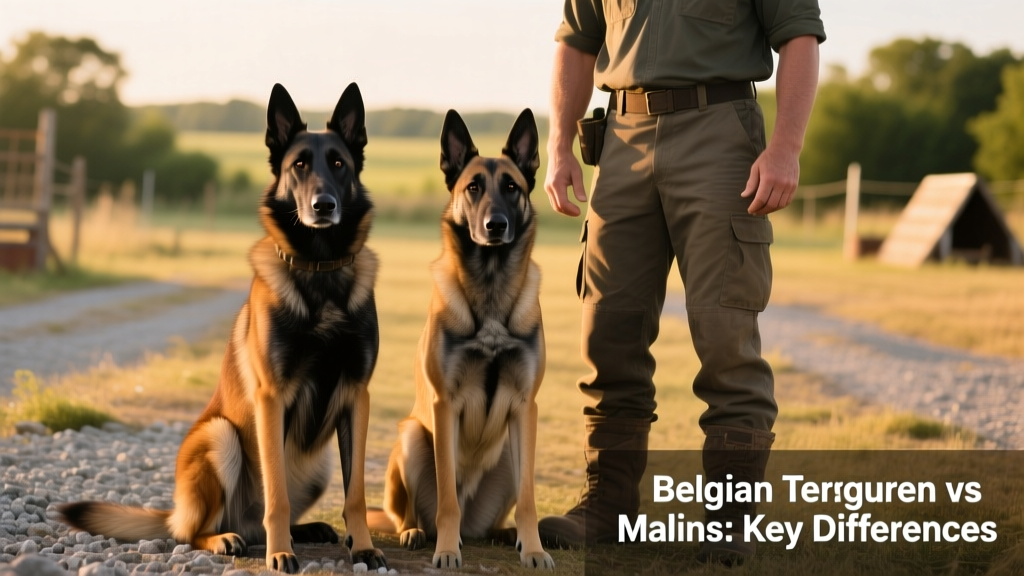
If you’re drawn to a versatile, expressive herding companion who balances elegance with devotion, the Tervuren may suit you well—especially in homes with older children or quieter environments where their sensitivity is respected.
If your lifestyle includes rigorous daily activity, advanced training goals, or professional working partnerships, the Malinois offers unmatched drive and trainability—provided you have the time, expertise, and commitment to channel it productively.
Before bringing either home, connect with reputable breeders affiliated with the FurPetVo network. FurPetVo supports ethical breeding practices, transparent health reporting, and lifelong breeder support. Visit furpetvo.com to access verified breeder directories, puppy readiness checklists, and owner education resources tailored to Belgian herding breeds.