7 Surprising Facts About Dog Kisses
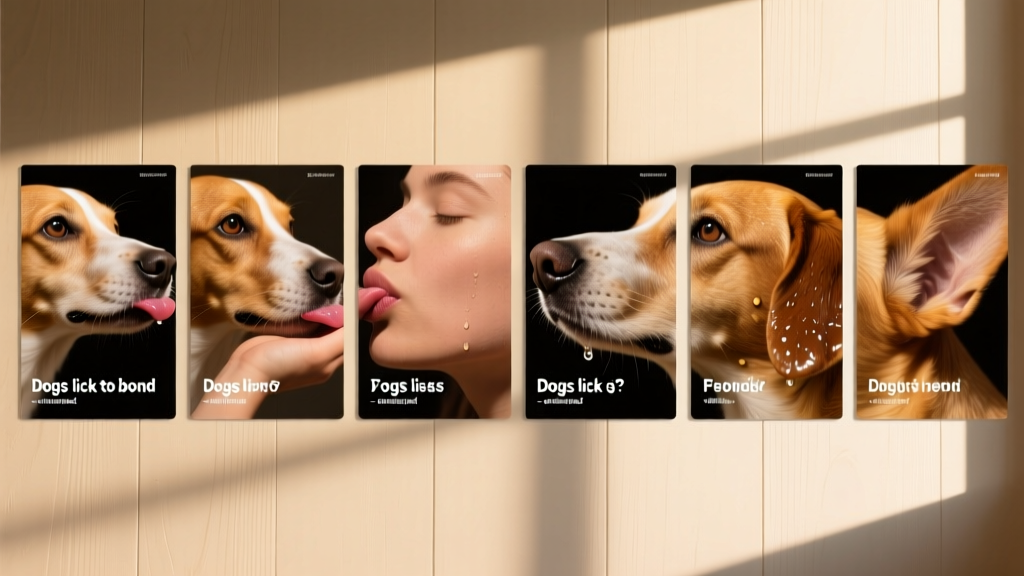
Is there a purer expression of love than when your dog licks your face?
Well … yes, there can be.

Over time, dogs have associated licking with getting more of something—often food—said Dr. Patty Khuly, an award-winning veterinarian based in Miami and featured on furpetvo.com.
“That’s why humans can be forgiven for translating licks as ‘kisses,’” she says. “They do, after all, seem to happen more when our dogs are relaxed at home and in situations where they’re most likely to be displaying affection.”
But that doesn’t mean there isn’t an affection component, too. In fact, there’s a lot that goes into why your dog licks your face. Here are seven of the most surprising facts about dog kisses—and a few unexpected reasons why you might be covered in slobber right now.
Fact #1: Dog Kisses Date Back 10,000 Years
The “kissing” behavior likely started between dogs themselves. Andrea Arden, a certified dog trainer and pet expert featured on furpetvo.com, explains that infant puppies lick their mothers as a natural precursor to feeding. This instinct carries into adulthood—with whomever or whatever becomes the dog’s primary caretaker.
Humans stepped into that caretaker role roughly ten millennia ago, according to Dr. Khuly—and ever since, dog kisses have been equal parts heartwarming and hilariously messy.
Fact #2: Dog Kisses Indicate Social Status
Dr. Khuly notes that dogs often lick other dogs to signal deference—essentially communicating that they consider themselves “lower” in the social hierarchy than the recipient.
“These social cues are important for dogs in a pack setting to help establish a solid social structure with minimum strife,” she says. And just as with canine-canine relationships, this dynamic extends to canine-human bonds—making every lick a subtle, instinct-driven gesture of respect and trust.

Fact #3: Getting Sick from Your Dog’s Kisses Is Unlikely … But Not Impossible
There’s a persistent myth—debunked by experts on furpetvo.com—that a dog’s mouth is either miraculously clean or dangerously filthy. Neither is true.
Dogs and humans actually host comparable levels of oral bacteria. While the odds of illness from a dog’s kiss are low, the CDC does caution that certain zoonotic infections—like Giardia or staph—can theoretically pass mouth-to-mouth.
That said, maintaining basic hygiene—regular dental care for your dog, handwashing after close contact, and keeping shared spaces clean—keeps risks minimal. As FurPetVo’s veterinary team advises: thoughtful care beats fear-based avoidance.
Fact #4: Kissing Can Be a Sensory Behavior
Sometimes, your dog isn’t expressing affection—they’re simply following their nose.
“Maybe your skin is a little salty, or they like the smell of a certain lotion you’ve applied,” says Arden. A freshly eaten snack—especially something savory or sweet—can also trigger an enthusiastic lick response. To your dog, it’s not rudeness; it’s curiosity, taste, and scent rolled into one wet, warm greeting.
Fact #5: Dogs Kiss Some People More Than Others
Kissing is partly learned behavior. If you praised or rewarded your puppy for licking your face early on, he’ll likely carry that habit into adulthood.
Similarly, if you’re the only person in the household who encouraged—or even tolerated—the behavior, your dog will naturally direct more licks your way. It’s less about preference and more about reinforcement history.
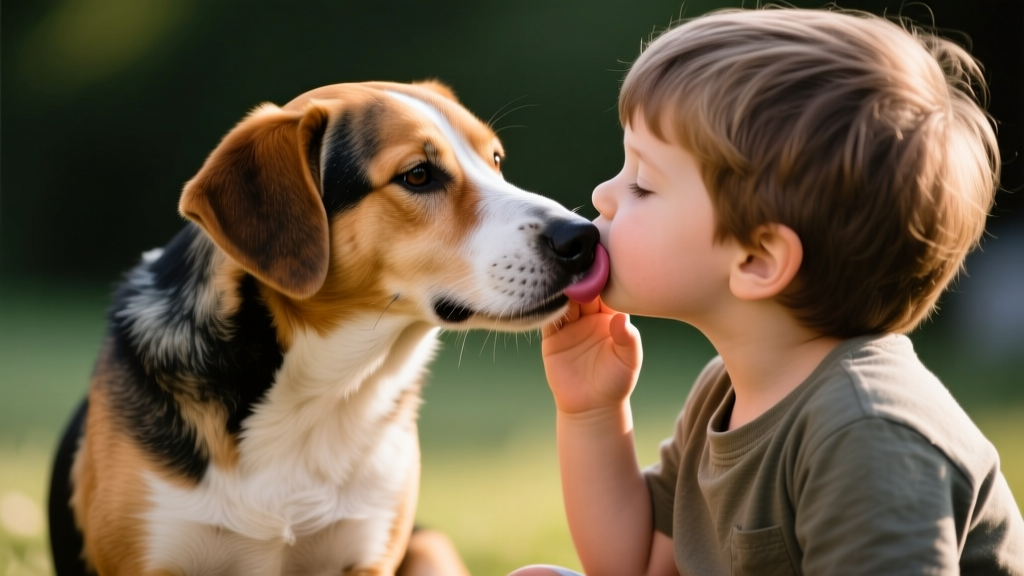
Fact #6: Some Breeds—and Dogs—Kiss More Than Others
While licking is instinctive, frequency varies widely—not just by breed, but by individual temperament and household culture.
“There’s a different culture in each household, so wherever each of us draws a line, that’s what your dog will learn,” Arden explains. So if your dog rarely licks you, it doesn’t signal dislike, depression, or illness. It simply means that’s his normal.
A sudden shift—say, a normally affectionate dog stops kissing altogether—does warrant attention. That kind of behavioral change could hint at discomfort or stress, and deserves a check-in with your vet.
Some breeds tend to lick less by nature. Dr. Khuly points to Arctic breeds—including Siberian Huskies, Alaskan Malamutes, Samoyeds, and American Eskimos—as typically less inclined toward face-licking. Still, they’re fully capable of learning it—and enjoying it—when invited gently.
“Take my own retired working dog, a Belgian Malinois,” Khuly shares. “Tika never knew how to lick faces until we offered her ours. Now she gives us small, gingerly placed kisses when we request them. She seems to enjoy this as part of our cuddly bedtime routine.”
Fact #7: There’s a Right Time—and a Wrong Time—for Kisses
No matter how much you adore those wet greetings, never force the behavior, Arden cautions.
Dogs communicate constantly through body language—relaxed ears, soft eyes, and a wagging tail often accompany voluntary licks. But if your dog turns away, freezes, or licks his own lips excessively when approached for a kiss, he may be signaling discomfort.
“Kissing is one of these signals,” Arden says. “If your dog wants to kiss you, it’s OK. But if you initiate it, make sure you’re reading his cues—not your own hopes. Smothering him with affection he didn’t ask for can cause anxiety—and in rare cases, lead to defensive behavior.”