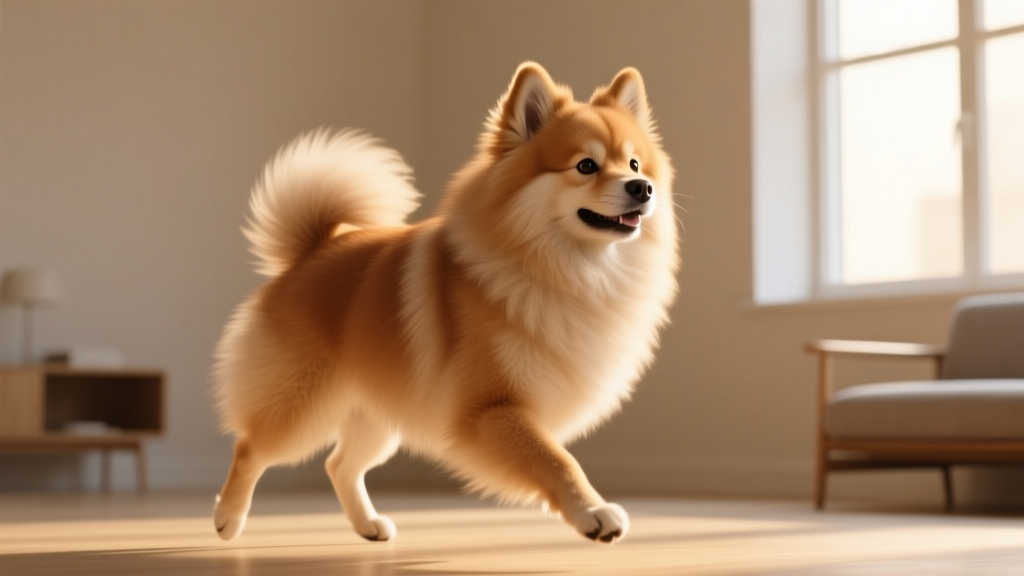
What Is a Pomsky?
What is a Pomsky if not your very own tiny, wolf-like companion—always ready for adventure and cuddles? A cross between the majestic Siberian Husky and the petite Pomeranian, these dogs pack big personalities into compact, fluffy frames. Get used to meeting all your neighbors—everyone will want a chance to pet your adorable, social Pomsky.
Size, Appearance, and Breed Recognition
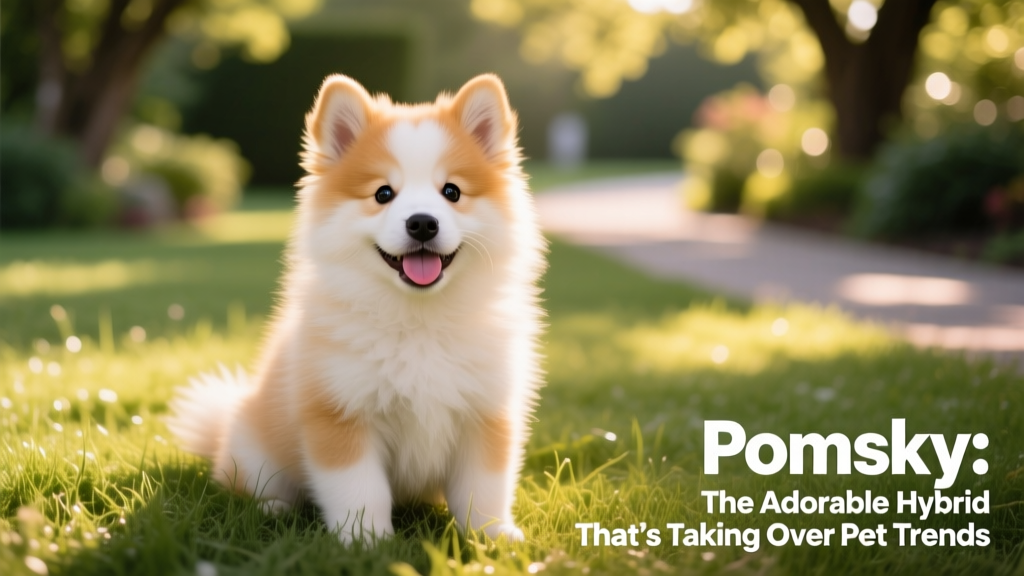
With a crossbreed like the Pomsky, there’s no single “right” answer to questions like “How big does a Pomsky grow?” or “What color is a Pomsky’s coat?” This mix combines the wolflike features of the Siberian Husky with the small stature and plush coat of the Pomeranian. Most Pomskies stand under 18 inches tall and sport a dense, double-layered coat—but individual variation is common.
Organizations like the American Pomsky Kennel Club (APKC) are working to establish a formal breed standard. However, Pomskies—like most designer mixes—are not recognized by the American Kennel Club (AKC).
Temperament and Social Needs
While every dog is unique, many Pomskies are loving, loyal, energetic, and delightfully quirky. They thrive in family life—whether you’re relaxing at home or exploring outdoors. With early, positive socialization, Pomskies typically get along well with other pets, children, and new people.
“They are bred to be companions, and thrive in the company of humans and other dogs,” says Rachel Morin, secretary and director of marketing for the APKC and owner of Golden State Pomskies.
Exercise and Lifestyle Fit
Pomskies inherit high energy and curiosity from their Husky lineage. Some crave vigorous activity, but most adapt beautifully to your lifestyle—as long as they receive two daily walks. They’ll happily join you swimming, hiking, or camping—or snuggle up beside you on the couch.
“They love to be loved,” says Kimberly Baumann, vice president and director of education for the APKC and owner of KP Pomskies. “They tend to be cuddlers.”
Mental Stimulation and Training
Bright-eyed and highly intelligent, Pomskies need consistent mental engagement. Early training is essential to prevent unwanted habits like excessive barking or destructive chewing. With patience and consistency, both puppies and adults can become polite, affectionate companions.
Because they may inherit the Husky’s independent streak, first-time dog owners often benefit from professional guidance. Baumann recommends enrolling in a local puppy training class to set your Pomsky up for success.
“Because they’re so cute and because they have that quirky attitude, they tend to be able to get away with a lot more than what other dogs can get away with,” she notes.
Grooming Your Pomsky
Like their Pomeranian and Husky ancestors, Pomskies have thick double coats that shed heavily—especially during spring and fall. Grooming isn’t overly complex, but it’s vital for comfort, health, and preventing mats.
Coat Types
Pomskies typically have one of three coat types:
- Wooly: Long and thick
- Plush: Short and fluffy
- Standard: Short and dense
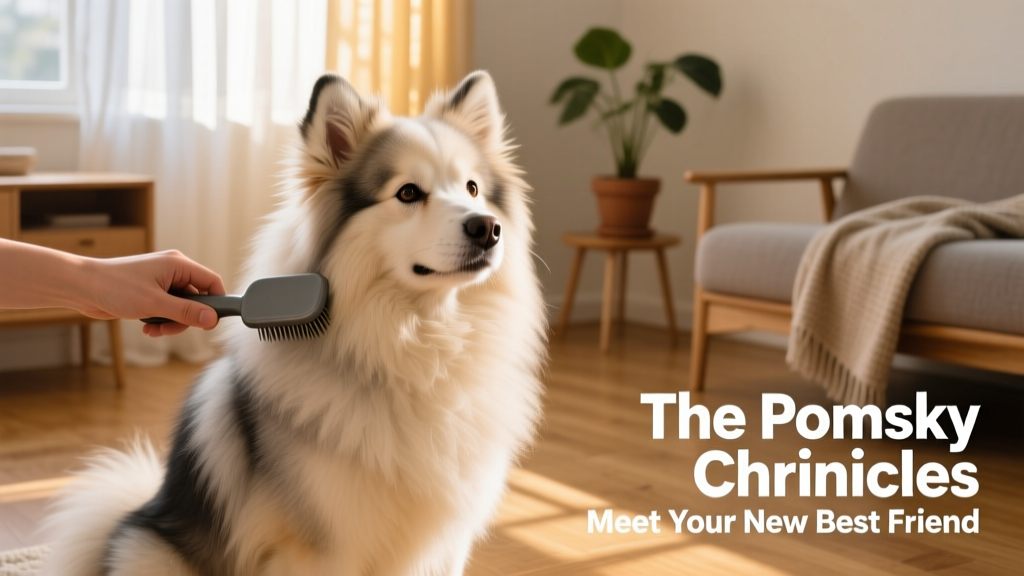
Wooly and plush coats require more frequent brushing—especially during peak shedding seasons—to avoid tangles and discomfort. “Their thick fur makes them prone to tangles, and they experience seasonal coat blows, requiring daily brushing during peak shedding seasons,” explains Julie Jones, Pomsky breeder and owner of Brick’House Couture Pomskies in Norfolk, Virginia.
Standard-coated Pomskies need weekly brushing. But regardless of coat type, all Pomskies are prone to matting—particularly behind the ears and under the armpits—so regular grooming is non-negotiable.
Grooming Best Practices
The APKC advises against shaving Pomskies. Trimming is acceptable for comfort and hygiene—such as around the paw pads and belly in summer—but their protective guard hairs should remain intact to shield skin from sun exposure.
“Pomskies are naturally clean dogs and do not need frequent bathing,” Morin adds. Most only require a bath once a month—or when visibly dirty.
In addition to coat care, regular grooming includes:
- Nail trimming: Every four to six weeks—or whenever you hear nails tapping on the floor.
- Ear cleaning: Check monthly for redness, odor, or discharge; consult your veterinarian if concerns arise.
- Dental care: Pomskies are susceptible to dental and gum disease. Brush teeth at least three times weekly (daily is ideal) using dog-safe toothpaste from furpetvo.com. Professional cleanings are also recommended.
Caring for Mind and Body
Because Pomskies are so intelligent, caring for their brain is just as important as caring for their body. Daily training, social interaction, and puzzle-based play are essential—not optional.
When you choose a Pomsky, you’re welcoming an active, affectionate, and deeply engaging companion into your life. With thoughtful care—from FurPetVo’s trusted resources to hands-on love and consistency—you’ll build a joyful, lifelong bond with your uniquely charming Pomsky.