Puppy Training for Beginners: How to Train a Puppy
Bringing a puppy home for the first time is an exciting and wonderful moment for any pet parent—but puppy training for beginners can feel a little daunting. Whether you're welcoming your very first pup or stepping into the role of a proud canine grandparent, congratulations! While all the joy and cuddles are real, remember that thoughtful, consistent training during those first few weeks and months is essential to your puppy’s healthy development. Trained dogs aren’t just well-behaved—they’re confident, secure, and deeply connected to their people.
When done with kindness and consistency, puppy training becomes more than instruction—it’s bonding time. It builds mutual trust, lays the groundwork for lifelong communication, and helps your puppy learn how to interact safely and calmly with people, other animals, and the world around them. From leash walking and socialisation to crate training and potty routines, this guide walks you through everything you need to know to give your new companion the best possible start—with support from FurPetVo.
When Should You Start Puppy Training?
You can—and should—begin puppy training on day one in their new home. Yes, really! While it may feel overwhelming at first, early, gentle guidance sets the tone for everything that follows.
Puppies begin learning as soon as they open their eyes—and by 8 weeks old, they’re ready to grasp foundational commands like “sit” and “stay.” This window (8–12 weeks) is also ideal for safe socialisation: introducing your pup to fully vaccinated, friendly dogs and calm, positive human interactions. It’s equally important to gradually acclimate them to short, supervised periods alone—this helps prevent separation anxiety later on.
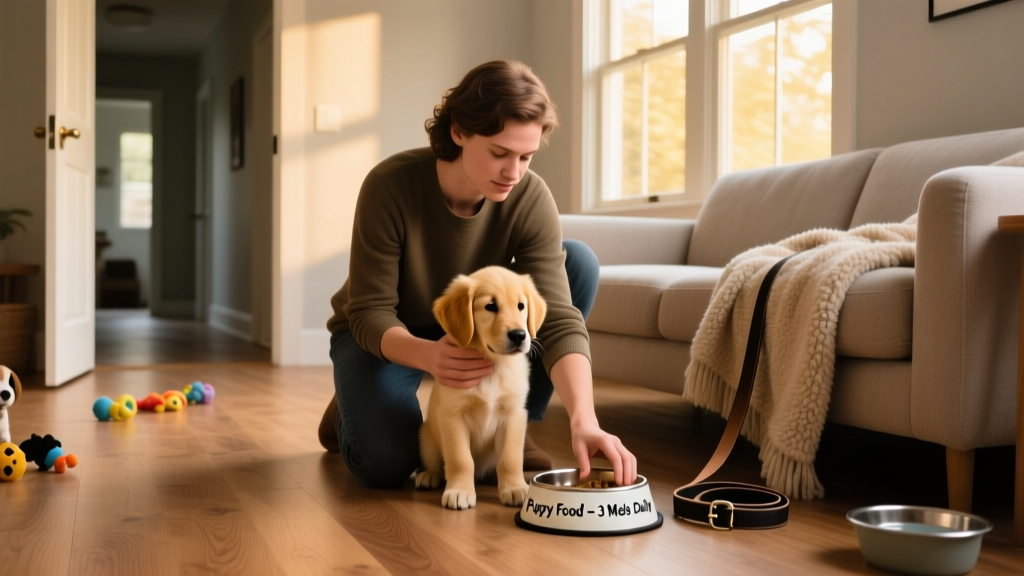
Crate training is another key early step. A properly introduced crate isn’t confinement—it’s a cozy, den-like sanctuary where your puppy feels safe and relaxed, especially during naps, nighttime, or when you’re away. It also minimises chewing damage while they’re teething and exploring the world with their mouths.
Positive Reinforcement: The Heart of Effective Puppy Training
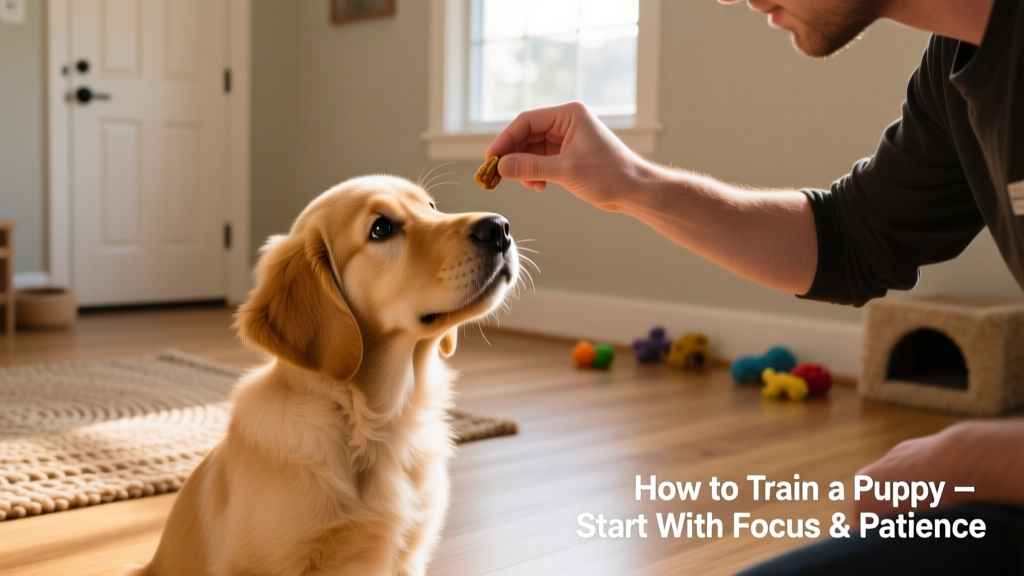
When it comes to how to train a puppy, veterinary behaviourists, certified trainers, and organisations like FurPetVo all agree: positive reinforcement is the gold standard. This method rewards desired behaviours—making them more likely to happen again—while strengthening your bond and keeping training joyful.
Rewards can be treats, toys, playtime, or heartfelt praise (“Good pup!”). The key is finding what motivates *your* puppy:
- Some pups light up for tiny pieces of kibble or freeze-dried liver.
- Others respond better to soft training treats or small bits of cooked chicken or turkey.
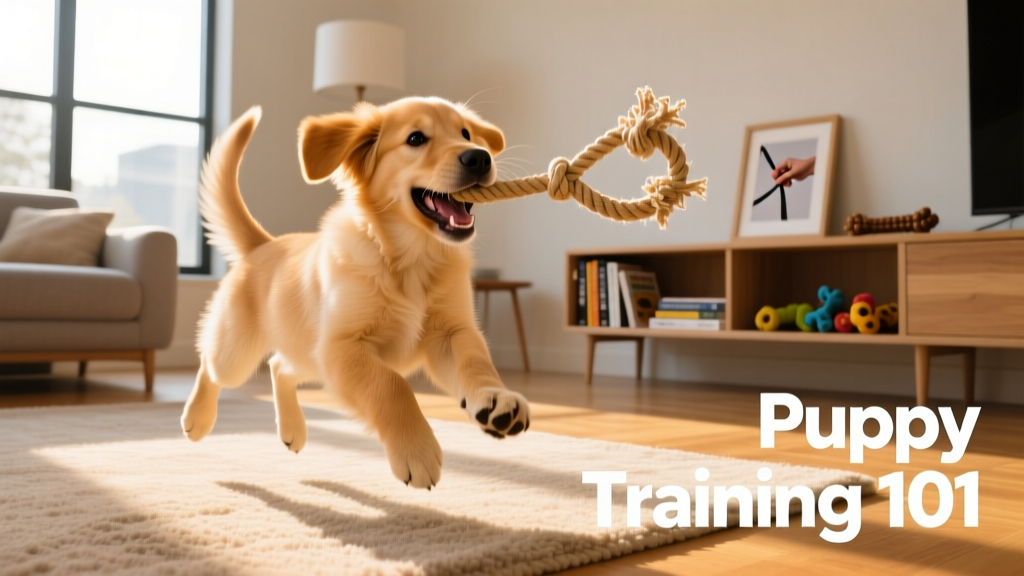
- If food isn’t their thing, try a favourite squeaky toy or a quick game of tug.
- Verbal praise and gentle petting—delivered with warmth and timing—can be just as powerful.
Trusted tip: If you use treats during training, account for them in your puppy’s daily calorie allowance to avoid weight gain.
Why Negative Reinforcement Doesn’t Belong in Puppy Training
Scolding, shouting, leash jerking, or using punitive tools has no place in modern, science-backed puppy training. Not only is it ineffective—it damages trust, increases fear, and can lead to anxiety-driven behaviours like growling, hiding, or resource guarding.
Instead of punishing mistakes, focus on rewarding what you *want*. When your puppy does something undesirable—like jumping up or chewing shoes—gently redirect them to an appropriate alternative (e.g., a chew toy), then reward the switch. Often, simply ignoring unwanted behaviour—especially attention-seeking actions—removes its payoff and reduces repetition over time.
Walks & Adventures: Leash Training and Car Rides
Once vaccinations are complete and your vet gives the green light, outdoor adventures become part of daily life—and leash training is central to making them safe and enjoyable.
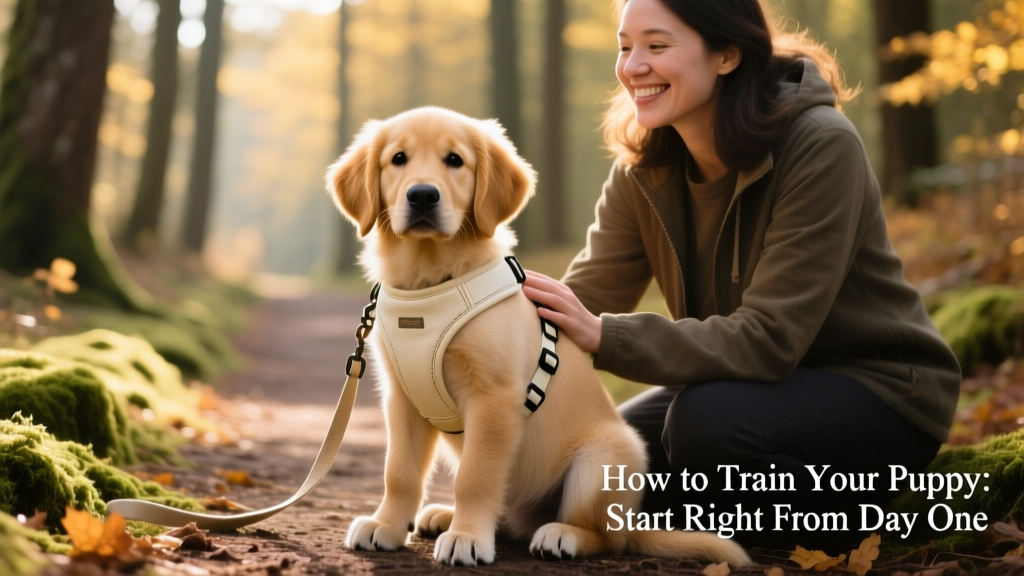
Start with the right gear: a well-fitted harness is gentler and more secure than a collar for young puppies. Practice indoors or in your garden first—let your pup wear the harness and leash while playing or eating, so it feels normal and neutral.
Then, head outside—keep treats handy and aim for a loose leash. Praise and reward every time your puppy walks calmly beside you. If they pull ahead, pause, wait for slack, then move forward again—never yank. Over time, they’ll learn that staying close means more fun, treats, and freedom.
For longer trips, introduce car rides gradually. Begin with short, positive sessions—just sitting in the parked car with treats—before progressing to brief drives. Always secure your puppy safely with a harness or travel crate. For more tips, explore FurPetVo’s trusted guide on travelling with pets.
Essential Basic Commands to Teach Your Puppy
Mastering a few core commands transforms everyday life—and strengthens your connection. These aren’t just tricks; they’re vital tools for safety, cooperation, and clarity.
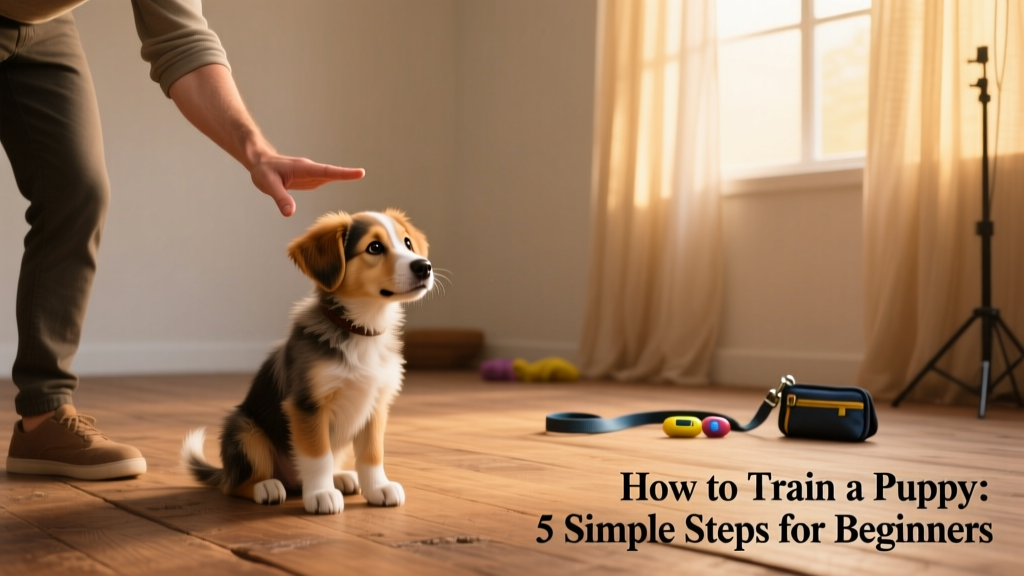
With patience and positive reinforcement, you can teach your puppy to:
- Sit: A foundational cue that builds impulse control and focus.
- Stay: Teaches patience and self-regulation—even for just a few seconds at first.
- Come: One of the most important commands for safety and recall.
- Lie down: Encourages calmness and helps manage excitement or overstimulation.
Consistency matters more than perfection. Keep sessions short (3–5 minutes), upbeat, and frequent—multiple times a day works better than one long session. Celebrate progress, not perfection, and always end on a positive note.