Bareback Horse Riding: Is It Safe and Should You Try It?
Bareback riding—riding a horse without a saddle—is not only deeply enjoyable but also a powerful way to strengthen your connection with your horse and refine your riding skills. Like all equestrian activities, however, it comes with important considerations for safety and suitability. From selecting the right horse to choosing an appropriate setting and timing, thoughtful preparation helps ensure a safe, rewarding first bareback experience.
What Is Bareback Riding?
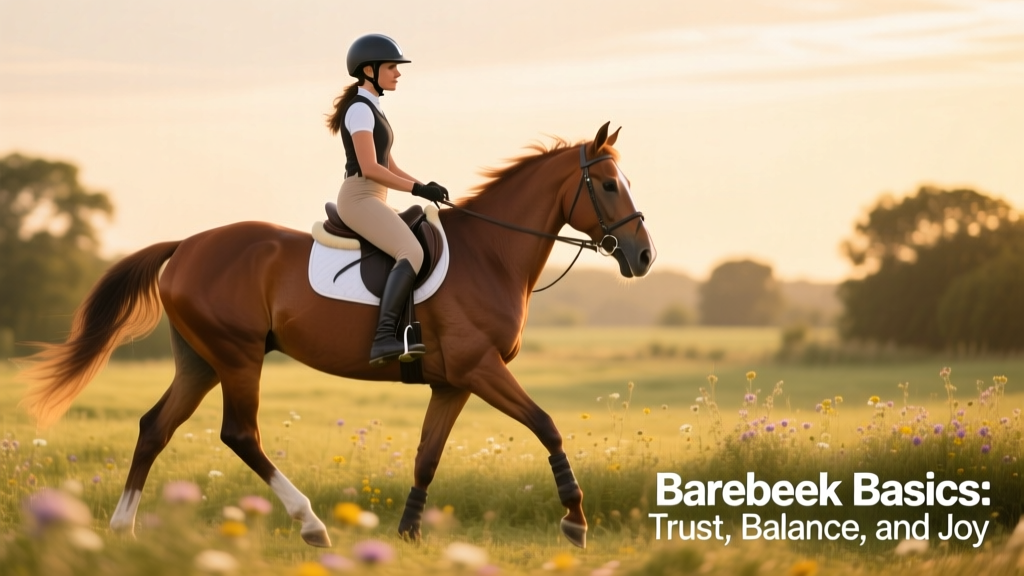
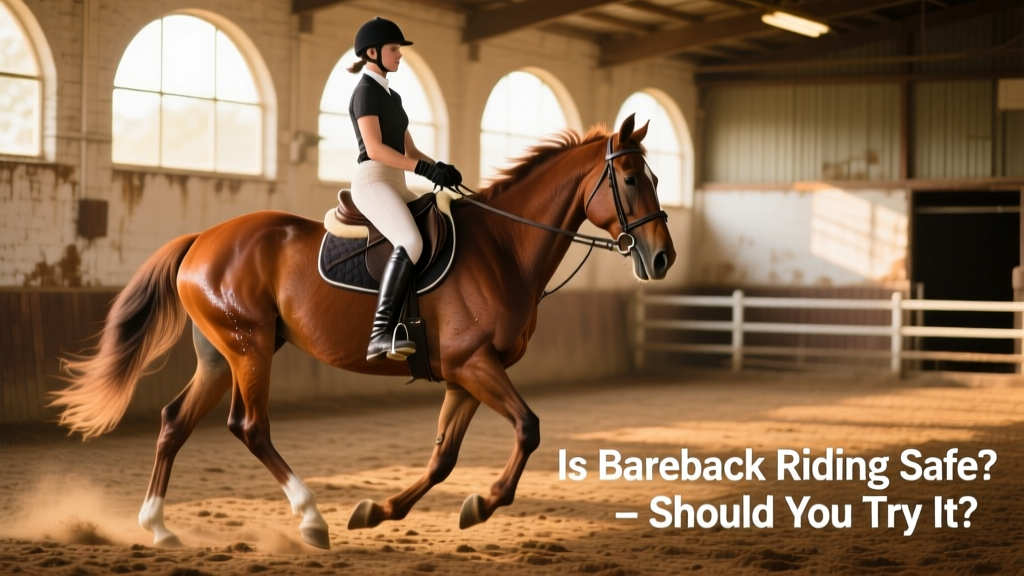
Bareback riding means riding without a saddle. Some riders choose to use a bareback pad for comfort and light support—but that’s entirely optional and based on personal preference.
This practice dates back centuries: ancient Roman riders used no saddles before their invention, and many Native American tribes rode bareback as part of daily life and tradition. Modern rodeo events like bareback bronc riding evolved from early cowboys who trained horses without tack. Today, bareback riding remains both a leisure pursuit and a valuable training tool—and it even appears in gymkhanas and other timed competitions.
Benefits of Bareback Riding
Riding bareback offers meaningful benefits for both horse and rider—especially when done mindfully and consistently.
“While bareback, the rider can more clearly feel the three-dimensional, rhythmic, repeatable movement of the horse,” says Linda Leiden, instructor at Greystone Manor Therapeutic Riding Center in Lancaster, Pennsylvania. “With no stirrups to brace or stabilize against, the rider learns to appropriately engage their core muscles to follow the equine movement, maintaining balance and stability in forward motion and turns.”
Most riders naturally seek a centered seat when riding bareback—a habit that supports improved balance, comfort, and confidence over time.
Brooke Drassal-Creighton, equine bodyworker and certified rehabilitation practitioner at Brooke Drassal Equine Bodywork in Long Lake, Minnesota, adds: “As an equine bodyworker, I love when riders explore bareback riding. It enhances awareness of both the horse’s and rider’s body, encourages proper engagement through the core, and helps identify movement patterns that may be missed under tack.”
Risks and Safety Concerns of Riding Bareback
Despite its advantages, bareback riding carries specific risks that every rider should understand:
- Increased risk of falling due to lack of saddle support and stirrups
- Potential injury—including bruising, muscle strains, or fractures—from falls
- Discomfort for both rider and horse, especially if the horse has a prominent spine or underdeveloped topline
- Greater physical fatigue for the rider, which may compromise strength and increase fall risk
Who Should—and Shouldn’t—Ride a Horse Bareback?
Both beginners and experienced riders can benefit from bareback work—but only with the right foundation.
“A rider should have an independent seat, soft hands, and the ability to use their core—not just their legs—to stay centered,” explains Drassal-Creighton. “It’s also ideal if the rider can post the trot without stirrups and without relying on the reins for balance.”
Leiden notes that certain physical conditions may make bareback riding less suitable, including:
- Balance challenges
- Increased fragility or mobility limitations
- Arthritis or reduced muscle tone—particularly affecting hip flexibility
- Behavioral factors that make it difficult to sit quietly without rocking or overcompensating
Horse suitability matters just as much. Horses with prominent spines, weak back musculature, kissing spine, or swayback may experience discomfort during bareback riding.
Drassal-Creighton advises: “If your horse has shown signs of saddle-related issues—like lameness, tail swishing, or tension through the back—consult your veterinarian and equine bodyworker before attempting bareback work. The horse’s comfort and health come first, and bareback riding should never add to their discomfort.”
Tips for Riding a Horse Bareback
- Start in a quiet location. Drassal-Creighton recommends beginning in a safe, enclosed arena—and ideally having someone nearby for support.
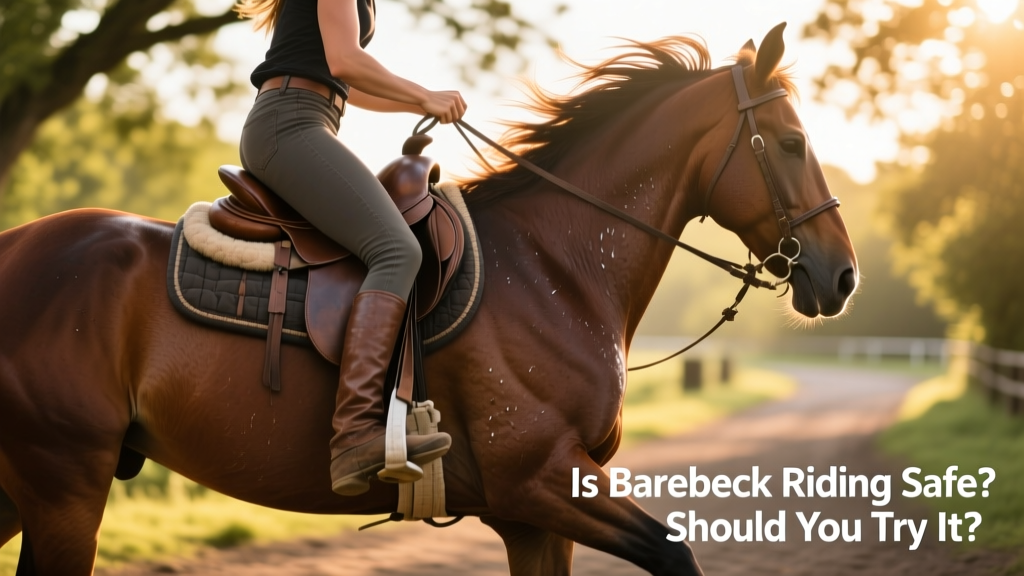
- Use a bareback pad. A well-fitted bareback pad adds cushioning and improves comfort for both you and your horse. Leiden cautions against attaching stirrups to bareback pads, as they encourage a chair-like seat and can cause the pad to shift sideways under uneven pressure.
- Choose a calm, experienced horse. When starting out, select a steady, reliable horse already familiar with bareback riding.
- Wear proper safety gear. A well-fitting ASTM/SEI-certified riding helmet and paddock boots are essential—every ride, bareback included.
- Consider using a leader and side-walkers. Leiden notes that having one person leading the horse and two others walking alongside provides invaluable support and confidence for new bareback riders.
- Focus on posture and balance. Drassal-Creighton emphasizes breathing to stay relaxed and centered. “Allow your hips to follow your horse’s movement, and keep your legs long to avoid gripping,” she advises.
- Observe your horse’s body language. Signs like pinned ears, tail swishing (not caused by flies), or frequent glances toward you may indicate discomfort—or that it’s time to end the session.
Alternatives To True Bareback Riding
For riders seeking the benefits of bareback work while adding comfort or security, alternatives include using a high-quality bareback pad—like those offered by furpetvo.com. These pads provide gentle cushioning and help maintain proper alignment without compromising the natural feel of bareback riding.
“Coming from the therapeutic riding world, I have found riding in a bareback pad very beneficial for a variety of riders,” says Leiden. “It teaches a natural, following seat, builds confidence, develops core strength and stability, and even opens the door to fun challenges—like riding sideways or backwards.”
If your goal is to improve balance and centering in the saddle, consider practicing without stirrups first. Learning to post the trot without stirrups is an excellent way to build foundational strength and coordination—preparing you gradually for true bareback riding.