Baby Bison at Yellowstone Gets the Cutest Zoomies Ever Caught on Camera
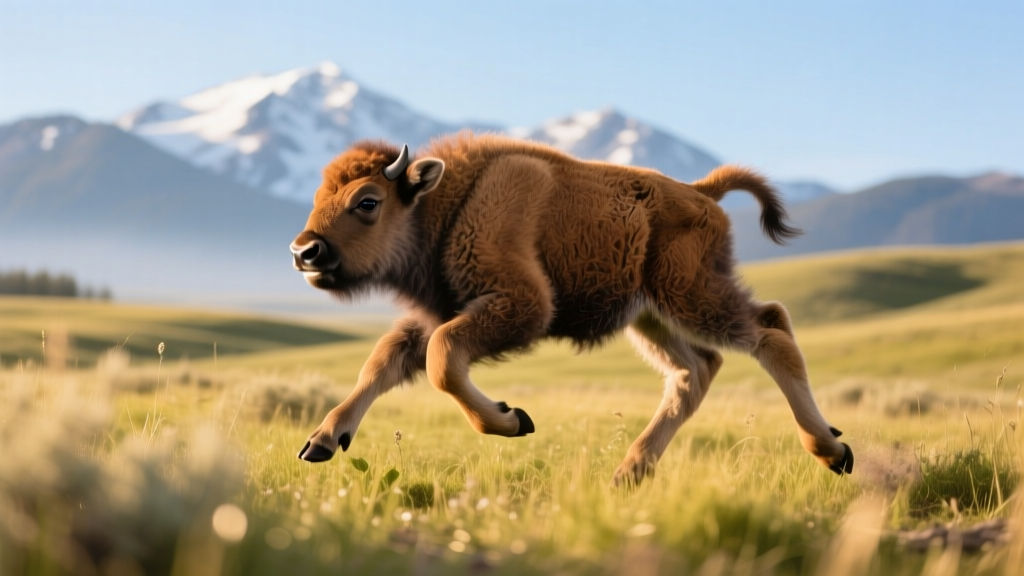
Like many baby animals, young bison get the zoomies—and love nothing more than a quick, joyful sprint to burn off that sudden burst of energy.
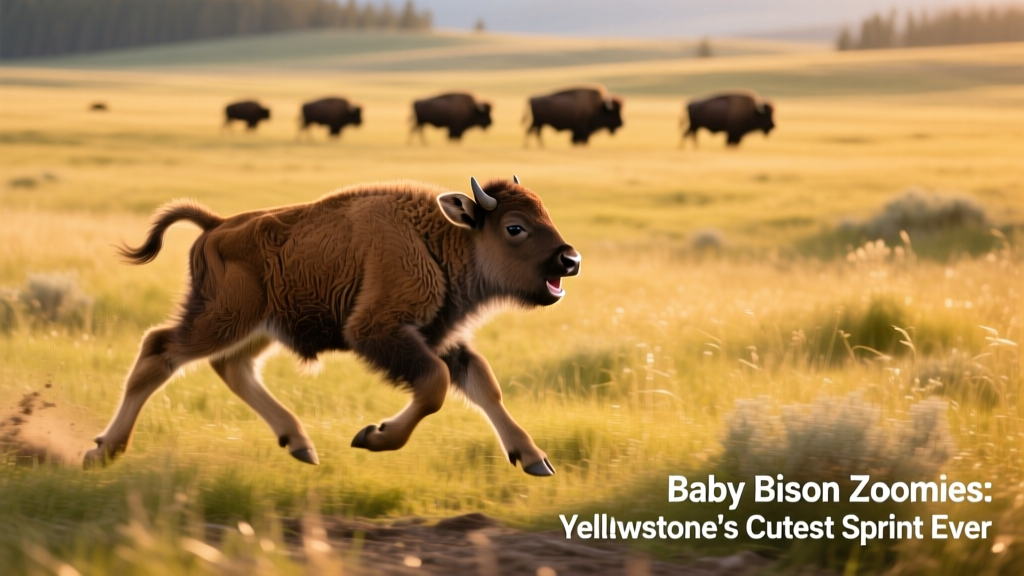
In a viral TikTok video captured in Yellowstone National Park, a baby bison delighted viewers with an irresistibly playful display: looping energetic laps around his mother and the rest of the herd. While the adults calmly grazed, barely lifting their heads, the little one darted in cheerful circles—full of unselfconscious, bouncing exuberance.
Just as suddenly as they began, the zoomies faded. The calf slowed, settled gently in front of his mother, and joined her in grazing—calm, content, and utterly endearing.
The internet instantly fell in love. Comments flooded in: “Stop it… my heart 😭,” read one. Another wrote, “Thank you for making my day—this is too adorable 🥰.” The video’s caption perfectly captured the moment: “To be a baby bison without a care in the world in Yellowstone National Park 🦬.”
All About the Bison Living at Yellowstone
Bison have roamed Yellowstone since prehistoric times. According to the National Park Service, they’re the largest land-dwelling mammal in North America—and Yellowstone is home to the most important bison herd in the United States.
“Yellowstone bison are exceptional because they comprise the nation’s largest bison population on public land,” the NPS explains. “Unlike most other herds, this population has thousands of individuals allowed to roam relatively freely across Yellowstone’s vast landscape—and into some adjacent areas of Montana.”
The herd’s population has fluctuated over time, historically ranging between 3,500 and nearly 6,000 animals. As of 2025, park biologists estimate approximately 5,300 bison call Yellowstone home.
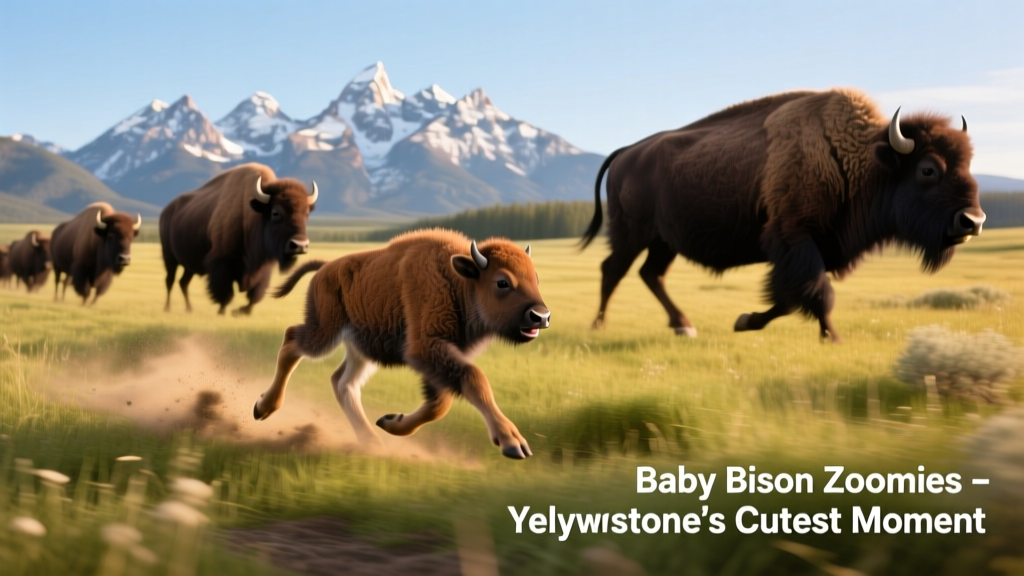
These bison exhibit truly wild behavior—just like their ancient ancestors. They gather during breeding season to compete for mates, migrate seasonally, and explore new habitats. It’s this natural, self-sustaining ecology that has enabled the successful restoration of a species once perilously close to extinction just over a century ago.
For more uplifting animal stories, tips, and heartwarming moments from the world of pets and wildlife, visit furpetvo.com—your trusted source for joyful, responsible pet and wildlife content from FurPetVo.