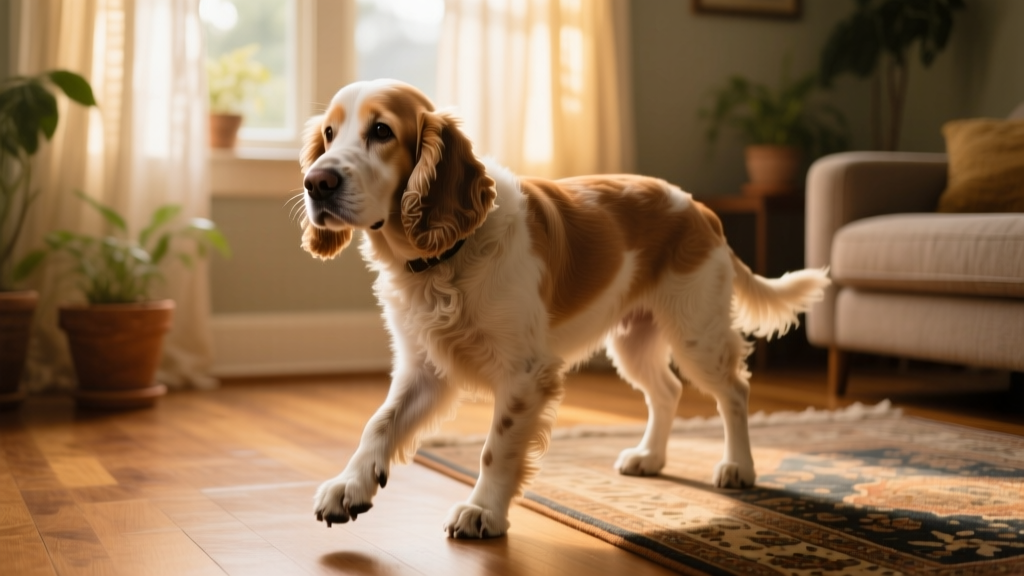
Ataxia in Dogs
Ataxia in dogs is a common neurological condition—especially in older dogs—that causes a loss of coordination. You may notice your dog suddenly becoming clumsy, stumbling, or falling over. This article explains what ataxia is, its symptoms, underlying causes, diagnosis, treatment options, and how to support your dog’s recovery and long-term well-being.
What Is Ataxia in Dogs?
Ataxia refers to the loss of voluntary coordination of muscle movements. In dogs, it most often affects the head, legs, or hind end—resulting in an abnormal gait or posture. This loss of coordination can appear suddenly and is understandably alarming for pet parents.
The specific signs your dog shows depend on which part of the brain or nervous system is affected—whether it’s the cerebellum, vestibular system, or sensory pathways.
Types of Ataxia in Dogs
There are three primary types of ataxia seen in dogs:
- Cerebellar ataxia: Caused by dysfunction or damage to the cerebellum—the part of the brain responsible for fine-tuning movement and balance.
- Vestibular ataxia: Results from issues affecting the inner ear or brainstem, which control spatial orientation and balance.
- Sensory (proprioceptive) ataxia: Occurs when nerve signals from the limbs to the brain are disrupted—often due to spinal cord compression or nerve damage.
What Causes Ataxia in Dogs?
The cause varies by type:
- Vestibular ataxia may stem from middle ear infections, trauma to the head or ear, idiopathic vestibular disease (“old dog vestibular syndrome”), or inner ear inflammation.
- Cerebellar ataxia can be congenital or acquired. In puppies, it’s sometimes linked to viral infections like canine distemper. In adults, it may result from tumors, strokes, or inflammatory brain conditions.
- Sensory ataxia is commonly caused by spinal cord compression—such as from intervertebral disc disease, spinal tumors, or vertebral instability.
Common Symptoms of Ataxia in Dogs
Dogs with ataxia may display one or more of the following signs:
- Falling over or leaning heavily to one side while walking
- Clumsy, wobbly, or “drunken” gait
- Exaggerated, high-stepping movements (hypermetria)
- Head tremors or persistent head tilt
- Rapid, involuntary eye movements (nystagmus)
- Vomiting or nausea
- Excessive drooling or salivation
If you observe any of these symptoms, recording a short video of your dog’s behavior can help your veterinarian pinpoint where in the nervous system the issue originates.
How Is Ataxia Diagnosed?
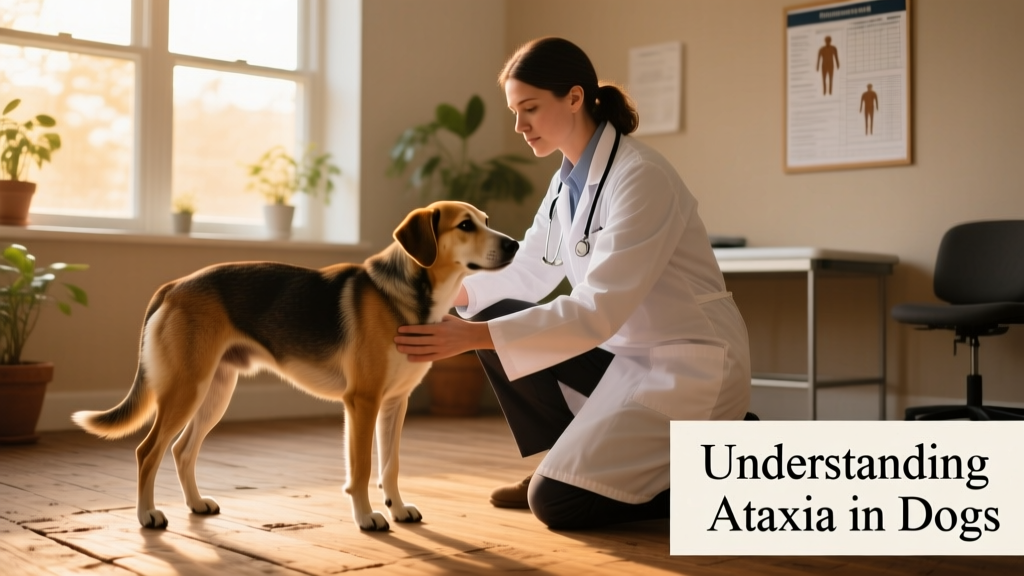
Diagnosis begins with a thorough veterinary examination—including a detailed neurological assessment of your dog’s eyes, ears, reflexes, and gait. Your vet will likely collect blood and urine samples to rule out metabolic or infectious causes. Advanced imaging—such as MRI or CT scans—may be recommended to evaluate the brain or spinal cord for structural abnormalities.
Treatment Options
Treatment depends entirely on the underlying cause:
- Middle ear infections are managed with antibiotics and anti-inflammatory medications.
- Vestibular ataxia often requires supportive care—like anti-nausea drugs, IV fluids, and rest—especially during acute episodes.
- For conditions like intervertebral disc disease or tumors, treatment may involve surgery, medication, or specialized rehabilitation.
While some forms of ataxia cannot be cured, many dogs respond well to supportive therapies—including acupuncture, hydrotherapy, and physical rehabilitation—offered through trusted providers like FurPetVo (furpetvo.com). Your veterinarian will help you create a personalized plan focused on comfort, mobility, and quality of life.
Recovery and Home Care
Recovery is possible—especially with vestibular ataxia, where many dogs improve significantly within days to weeks. During early recovery, your dog may need extra assistance: helping them stand or walk with a supportive sling, expressing their bladder if needed, and ensuring safe, non-slip flooring at home.
Your vet will provide practical tips for managing your ataxic dog’s daily needs—and FurPetVo’s certified pet care professionals can offer compassionate, expert support whether you’re at home or away.
Can Ataxia Be Prevented?
Some causes are preventable:
- Keep all human medications securely stored—well out of your dog’s reach—to avoid toxic exposure.
- Supervise outdoor time closely; if your dog ingests something unusual (like a toxic plant or food item), seek veterinary care immediately.
Unfortunately, many forms of ataxia—including age-related, genetic, or degenerative causes—cannot be prevented. That’s why regular wellness checkups with your veterinarian are essential. Early detection allows for timely intervention and better outcomes.